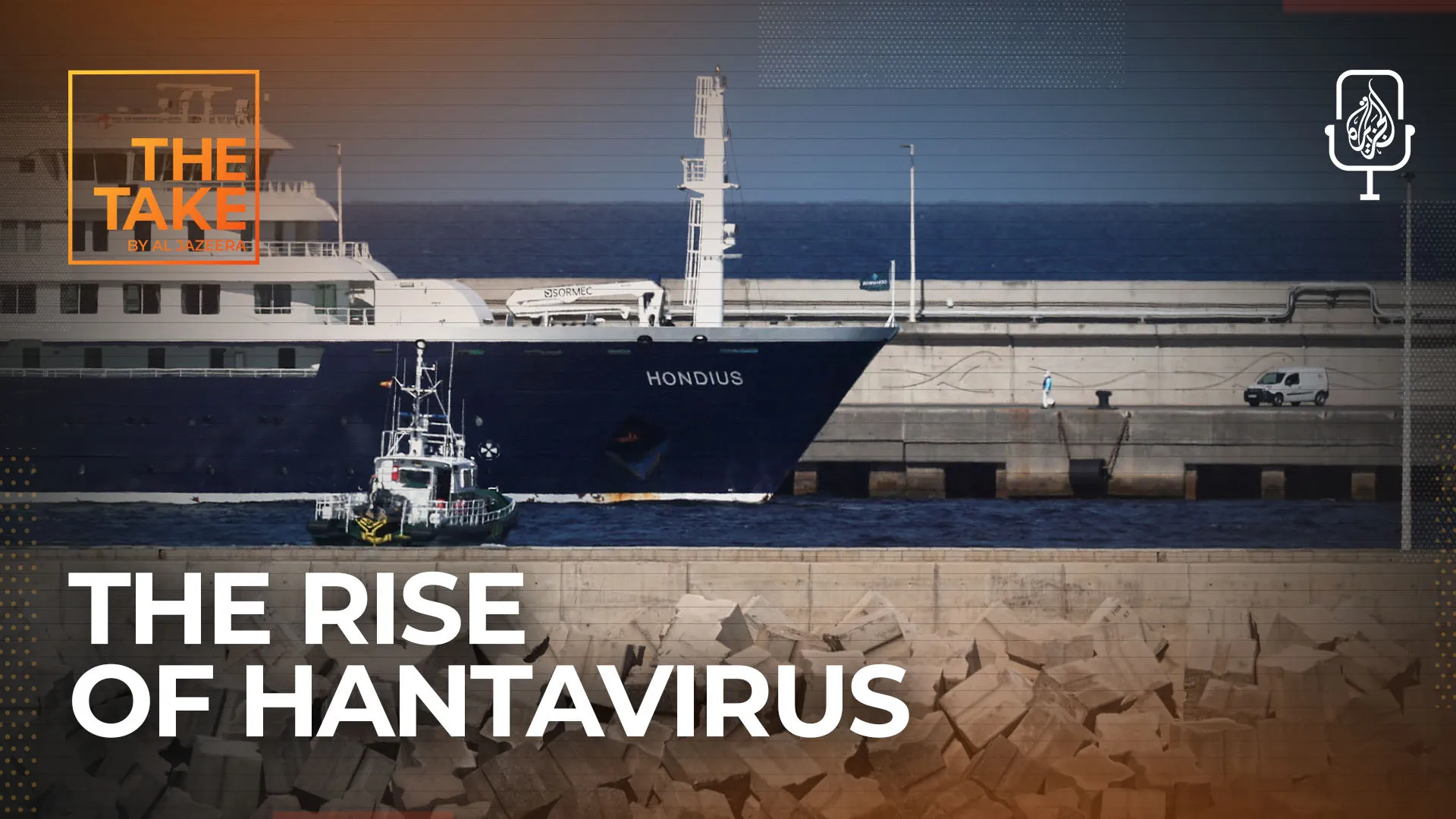
The recent cluster of fatalities linked to a hantavirus outbreak on a cruise vessel has inevitably sparked public anxiety and raised questions about global preparedness. While the circumstances have drawn immediate parallels to the global health scares of the recent pandemic era, medical experts are quick to differentiate the threat. The situation serves as a potent reminder that public trust in health advisories remains a delicate commodity, necessitating clear, consistent, and highly transparent communication from authorities.
This incident prompts a crucial re-examination of how the medical community and public health infrastructure manage outbreaks outside of highly controlled hospital settings. It moves the discussion beyond simple identification of a pathogen and into the complex realms of transmission vectors, facility-specific contamination risks, and the efficacy of current containment protocols in large, densely populated, and mobile environments like cruise ships.
What This Means for Public Health Protocols
The primary takeaway from such events is the necessity of updating and enforcing rigorous biosecurity measures in non-traditional outbreak settings. Since the initial emergence of the threat, public health guidelines must be adapted to account for unique logistical challenges. This includes bolstering surveillance systems specifically designed to monitor environmental pathogens in recreational or transport settings, where traditional community-level tracking may be insufficient. Experts emphasize that preparedness requires scenario planning that acknowledges potential deviations from established norms.
Furthermore, managing public perception following a major scare requires more than just scientific data; it demands proactive risk communication. When trust levels are already diminished from previous large-scale health crises, even a scientifically dissimilar pathogen can generate disproportionate levels of fear. Therefore, public health messaging must be exceptionally precise, clearly delineating what the risk is, who is affected, and precisely what actions mitigate that risk, thereby building a resilient foundation of understanding.
Understanding Hantavirus Transmission
From a scientific standpoint, hantaviruses are known zoonotic agents, meaning they are naturally transmitted from animals to humans. Historically, these viruses have been associated with rodents, and human infection generally occurs through contact with rodent urine, droppings, or dust contaminated by those materials. The specific context of an outbreak on a vessel highlights potential lapses in sanitation or ventilation management when dealing with airborne or surface-borne contaminants.
The significance lies in understanding the typical lifecycle and transmission routes of the pathogen. While the virus’s impact can be severe, awareness of its natural reservoir and transmission pathway allows health officials to focus intervention efforts—such as enhanced decontamination procedures and vector control—on the highest-risk points of exposure, moving beyond generalized alarmism to targeted, evidence-based mitigation strategies.
Context of Global Preparedness
Globally, the heightened awareness regarding viral transmission dynamics has spurred academic and governmental bodies to refine protocols for responding to novel pathogens. These advanced protocols stress multi-sector collaboration—encompassing sanitation engineering, veterinary science, epidemiology, and travel medicine. Ultimately, managing the fear surrounding a health incident like this requires acknowledging both the pathogen’s inherent risks and the fragility of community reassurance, demanding a sophisticated, layered response that marries rigorous science with empathetic public education.
About the Author