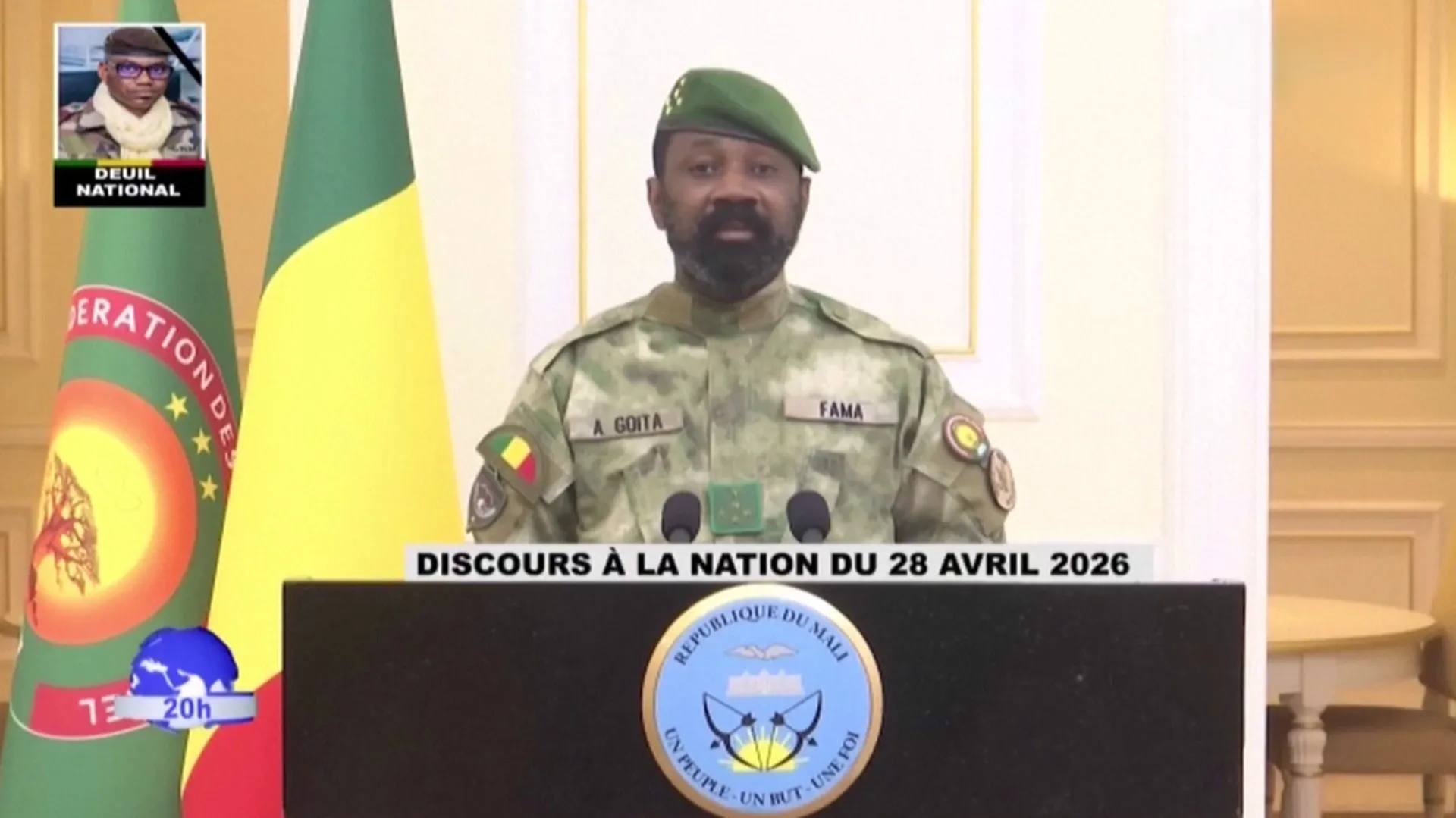
A significant period of instability gripped Mali recently, marked by reports of coordinated attacks and a dramatic security situation within the nation’s capital. The highest levels of military command have since made statements assuring the public that the security apparatus has managed to contain the unrest. The immediate aftermath of these events has prompted national reassurances regarding the government’s ability to restore order following the armed actions.
Official accounts suggest that the turmoil escalated following engagements with armed elements described as rebel forces. The intensity of the fighting led to serious casualties, notably including the death of a senior defense official. This sequence of events painted a picture of a nation grappling with multifaceted internal security threats, forcing the military leadership to issue direct communiques addressing the perceived breakdown of normalcy.
The core message conveyed by the military leadership centers on operational control. They have framed the violence as an acute episode that has since been stabilized, projecting an image of resilience and renewed capability within the country’s defense forces. This public assertion of control attempts to quell mounting civilian and international anxiety regarding the nation’s governance structure and internal peace.
What This Means:
The confirmation of major security incidents and the subsequent statements from military leaders signal a period of profound uncertainty and high tension for Mali. The breakdown of peace, even if described as temporarily managed, necessitates a re-evaluation of the country’s internal political and security architecture. For international partners and regional bodies, this situation raises immediate questions about the continuity of governance and the commitment to established diplomatic pathways.
Background / Context:
Mali has long been situated in a complex and volatile geopolitical theater across the Sahel region. The persistent presence of non-state armed groups, coupled with deep internal socio-political fissures, has historically subjected the country to periods of heightened conflict. Recent events appear to be the latest chapter in a long, arduous struggle to establish durable stability. The loss of high-ranking officials during periods of violence underscores the deep penetration of conflict dynamics into the national security establishment itself.
About the Author