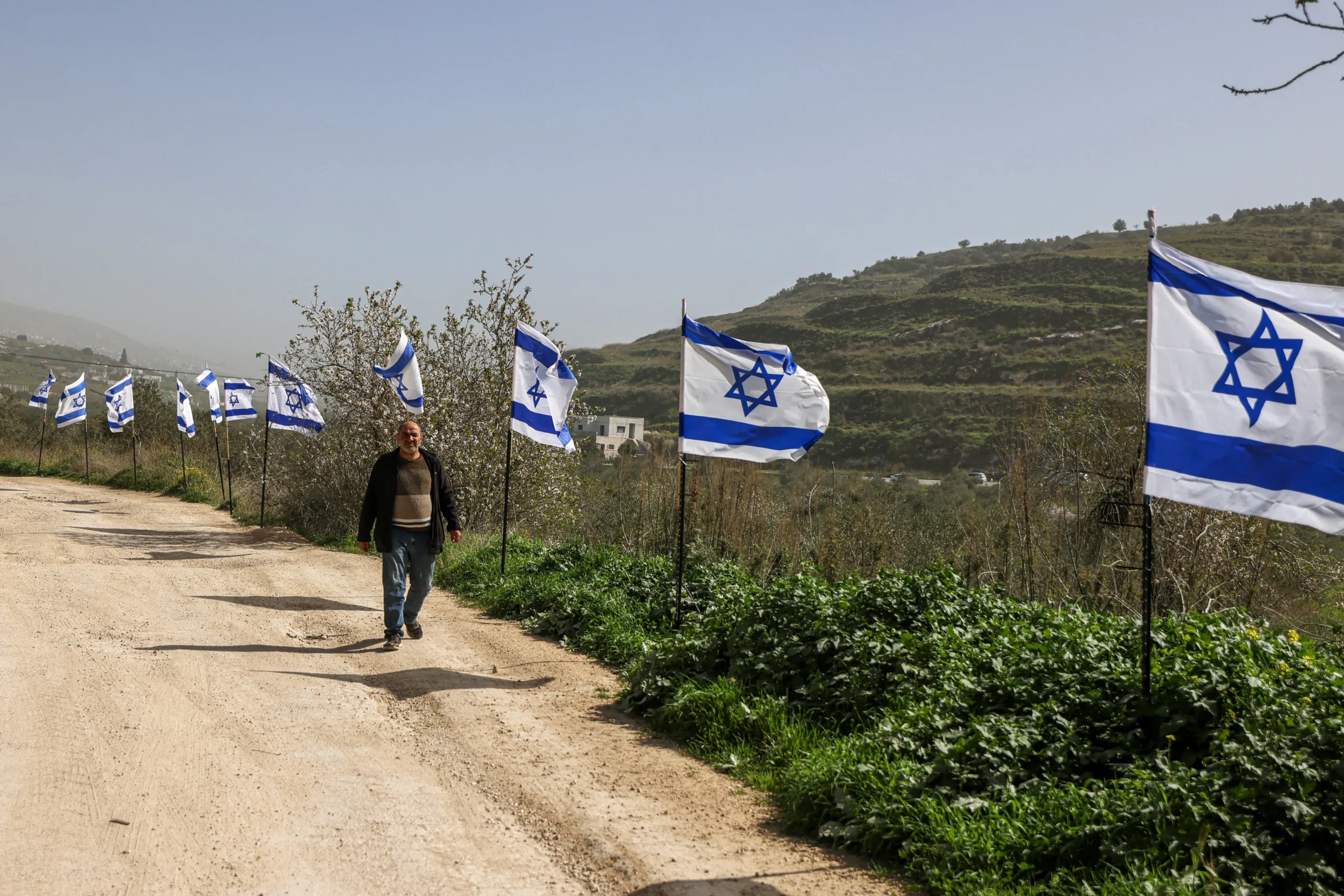
The ongoing expansion of Israeli settlements and associated infrastructure in the West Bank is manifesting in a new, highly visible form of control. Beyond the physical construction of outposts and roads, there is a deliberate effort to visually alter the landscape, using symbols like Israeli flags to assert dominance over Palestinian daily life. This campaign of visual imposition aims to create a pervasive sense of alienation, making residents feel like temporary inhabitants in their ancestral lands.
For Palestinians who rely on established routes for daily commutes—traveling between towns and cities—the constant barrage of these symbols is deeply disorienting. Residents report that familiar thoroughfares are being systematically altered, a process that feels both rapid and overwhelming. This transformation is not limited to mere decoration; it is part of a broader strategy that accompanies the establishment of mobile settler housing and the physical encroachment into previously settled areas.
This aggressive visual assertion of control is coupled with tangible acts of dispossession, such as the uprooting of agricultural land. The combination of these elements—the flags, the new housing clusters, and the altered geography—creates a palpable sense of loss and injustice among the local population, fundamentally challenging their connection to their own environment.
About the Author