Syrian Icon Assala Nasri Returns to Damascus Stage After Long Absence
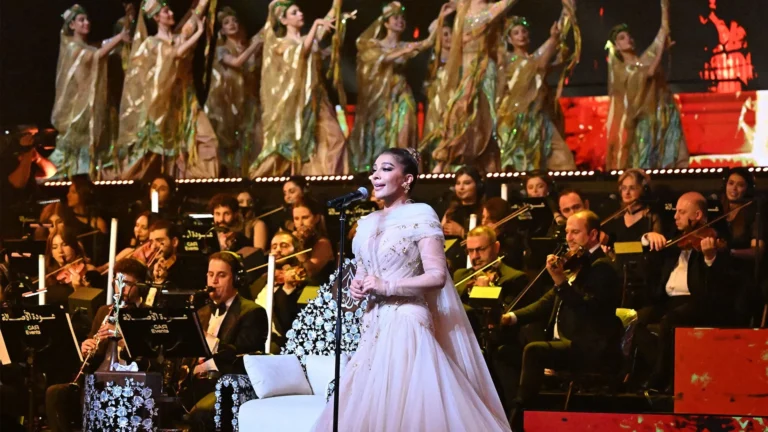
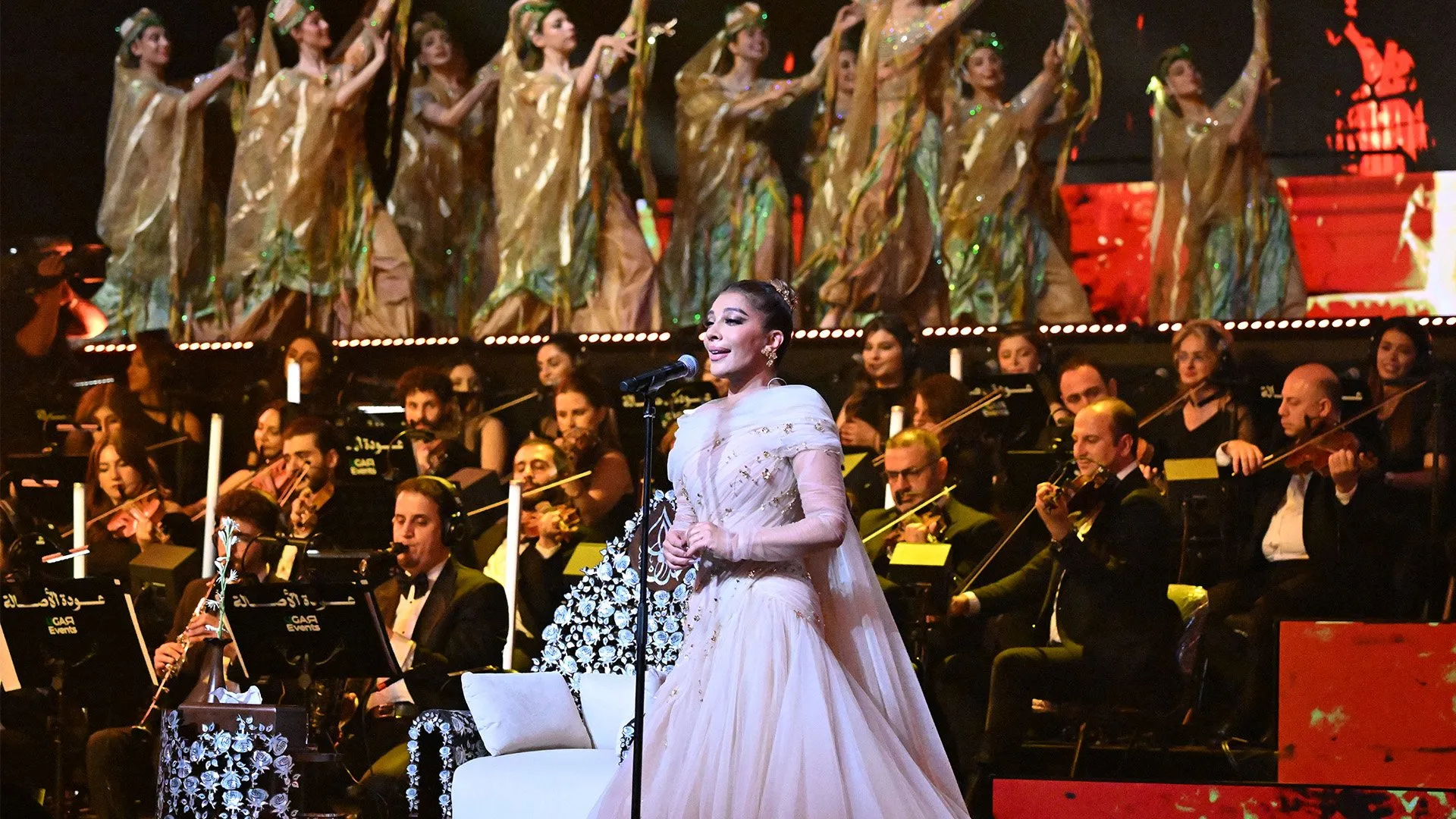
The return of Syrian cultural figure Assala Nasri to the stage in Damascus marked a highly anticipated moment for the Syrian public. The sold-out concert drew massive crowds, who celebrated her presence with enthusiastic cheers. Her performance signaled a significant cultural homecoming, bringing a celebrated voice back to the heart of the city after a prolonged period away from the spotlight.
Nasri’s absence from public life and performance venues was directly linked to the political upheaval that began in 2011. Her public alignment with the initial protests against the ruling regime placed her in a position of exile. This period of self-imposed or mandated distance from her homeland meant that her return was viewed not just as a musical event, but as a cultural milestone for many who followed her career.
The Significance of Her Return
The reception to her concert suggests a deep level of connection between the artist and her audience. For many attendees, her return represents a form of cultural affirmation. The energy and scale of the welcome indicate that her artistry remains deeply resonant within the Syrian community, regardless of the geopolitical challenges the nation has faced. Such large-scale public gatherings, especially following years of instability, carry significant emotional weight for the participants.
Context of Exile and Public Life
Assala Nasri’s career trajectory became intertwined with the major political shifts in Syria. Her vocal support for the initial calls for reform and change in 2011 led to her leaving the country. This period of exile meant that her professional life unfolded far from the cultural epicenter of her early success. The gap between her last major public appearance and this recent concert highlights the profound impact that the civil unrest had on the lives and careers of many prominent Syrian figures.
Cultural Resonance and Artistic Impact
The successful staging of such a large event underscores the enduring power of Syrian popular culture. Artists like Nasri serve as cultural touchstones, connecting diasporic communities and those remaining within the country to a shared sense of identity and memory. Her performance served as a powerful reminder of the artistic talent that remains a defining feature of Syrian culture, even amidst years of turmoil and displacement. The event was received as a powerful affirmation of artistic resilience.
About the Author