Assessing the Diplomatic Stakes: A Presidential Visit to China Amid Trade Tensions
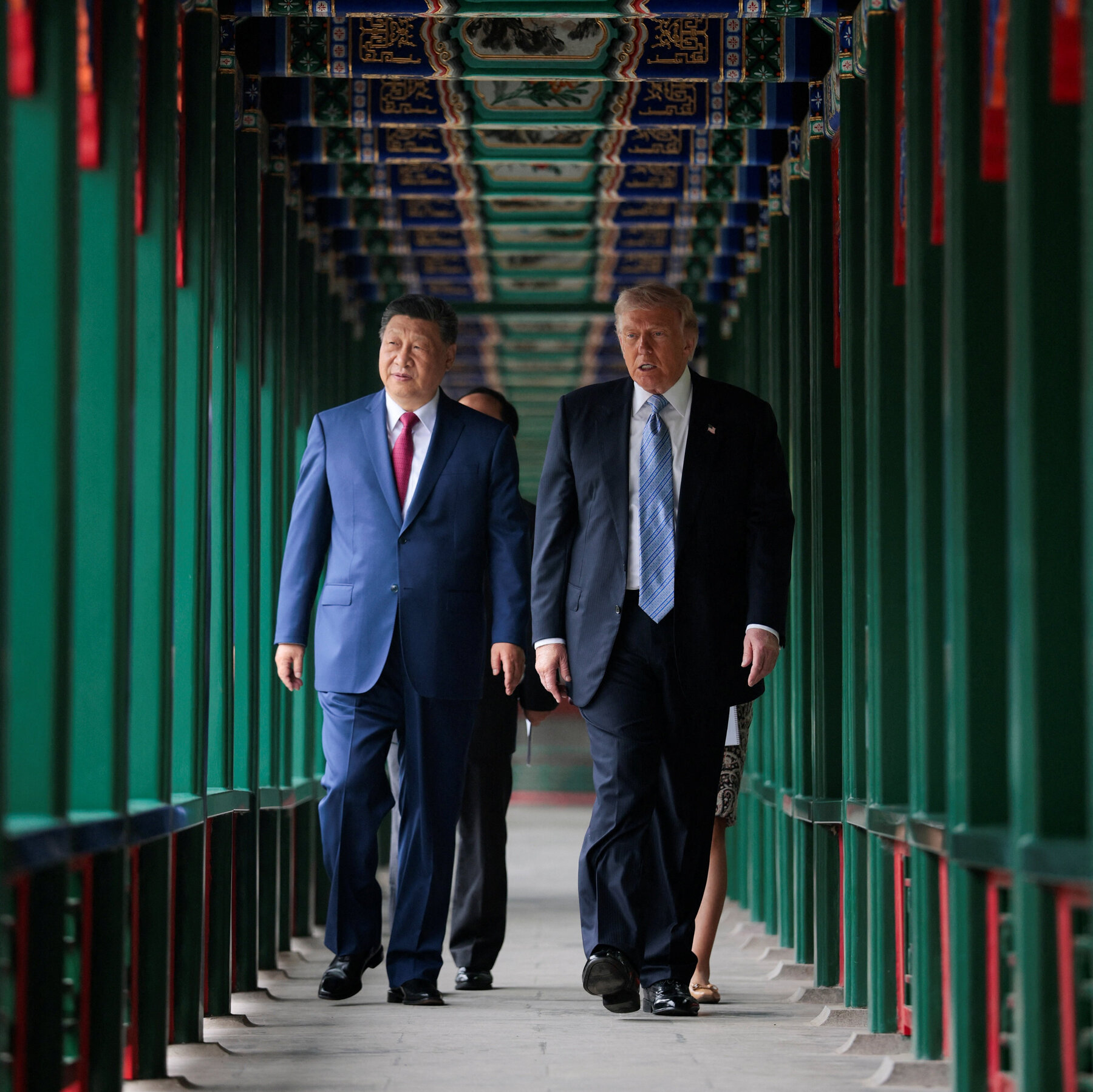
A high-profile presidential visit to China recently drew intense global scrutiny, largely centered on its potential to reshape the deep-seated economic and political relationship between the two nations. This visit marked a significant moment, as it represented the first visit by a sitting U.S. president to the country in nearly a decade. International observers and market analysts were keenly watching every aspect of the trip, particularly in the search for tangible indications that the friction characterizing the bilateral trade relationship might finally ease.
The primary focus of the diplomatic engagement was the future of economic cooperation. Given the years of escalating trade disputes and mounting tariffs, many anticipated that the high-level discussions would yield a breakthrough agreement—a genuine resumption of goodwill that could stabilize international markets. The symbolism of the visit was enormous, suggesting a potential pivot away from prolonged antagonism toward a more constructive, partnership-oriented dialogue.
The Significance of High-Level Engagement
The importance of this meeting extended far beyond simple trade negotiations; it spoke to the broader geopolitical alignment of major world powers. Any movement toward a détente or a more defined set of shared economic goals could signal a realignment of global power dynamics. Conversely, if the discussions concluded without concrete steps toward resolving trade imbalances, the underlying tensions would likely remain, continuing to influence policy decisions and investment flows across the globe.
Economists and policy experts viewed the itinerary as a critical barometer for assessing the commitment of both sides to resolving long-standing disagreements. The entire atmosphere surrounding the visit was interpreted through the lens of whether a durable framework for cooperation could be established, thereby dampening the uncertainty that has plagued global supply chains and investor confidence.
Underlying Context of Bilateral Friction
The foundation for such an anticipated visit was built upon years of escalating commercial disagreements. The relationship had become increasingly complex, shifting from one of mutual economic reliance to one characterized by competitive friction. Multiple rounds of trade negotiations had failed to secure lasting resolutions, leading to the implementation of various tariffs and restrictions by both Washington and Beijing. This protracted period of disagreement created a significant overhang on global economic forecasts, making any sign of positive movement highly impactful.
The stakes were thus incredibly high: resolving the trade disputes represented not just a matter of tariffs, but of re-establishing a predictable and stable commercial environment for countless multinational corporations. The outcome of these discussions carried the weight of global financial markets, compelling leaders to find common ground where years of divergence had previously led to discord.
What This Means Moving Forward
The lasting implication of such a visit hinges entirely on its verifiable takeaways. If the discussions managed to generate commitments—whether on market access, technology transfer regulations, or tariff reductions—these agreements would provide crucial stability, allowing businesses to plan with greater confidence. Failure to secure these elements, however, suggests that the underlying strategic disagreements remain too profound to be resolved in a single diplomatic overture. Consequently, future policy adjustments from both nations would likely need to account for a continued period of calibrated tension, necessitating a more cautious approach from the international community.
About the Author




