Decoding Diplomatic Signals: The Nuances of U.S.-China Leadership Interactions
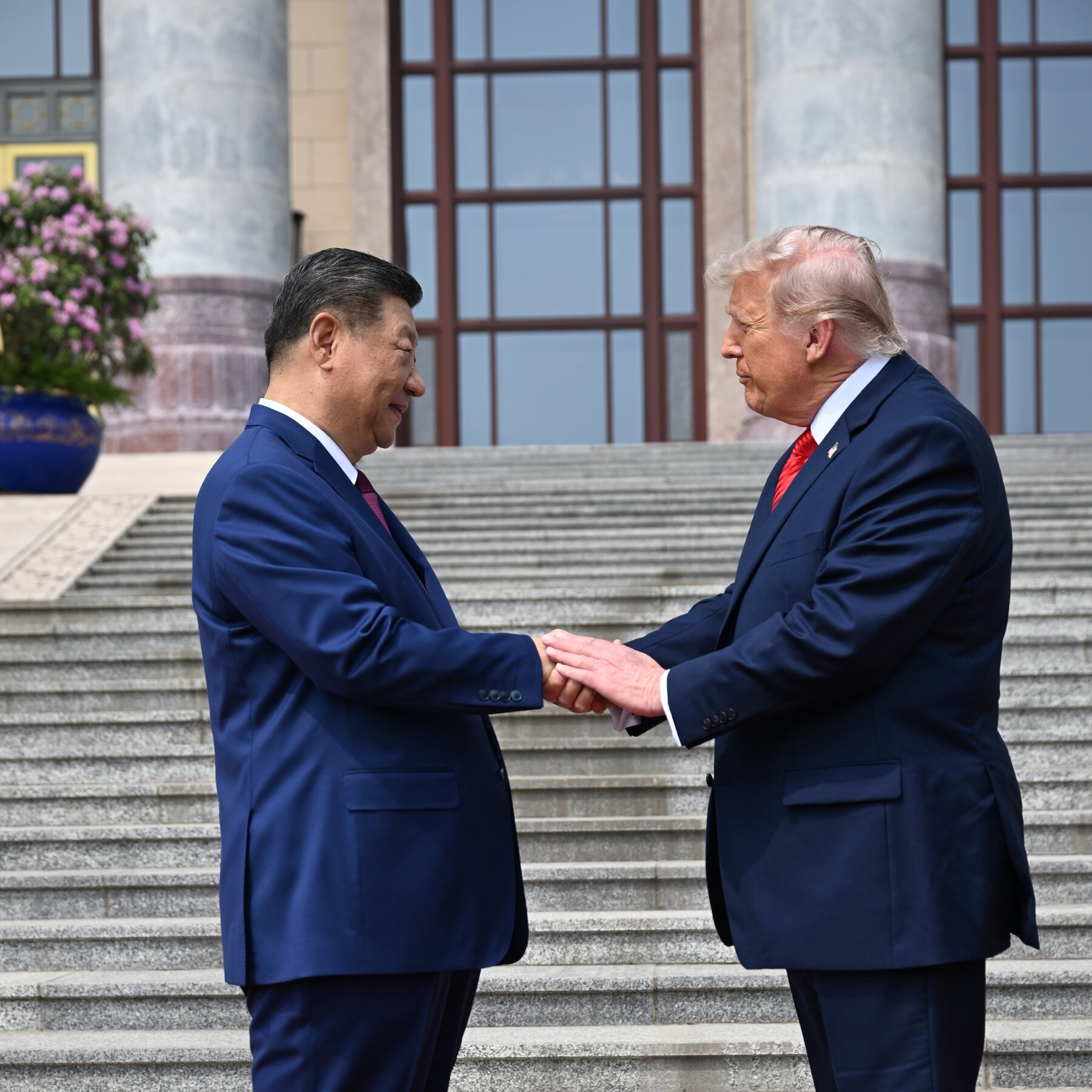
High-stakes international summits between major global powers often feature a careful performance of cordiality, even when underlying geopolitical tensions remain significant. Recent meetings between the leaders of the United States and China provided a textbook example of this diplomatic tightrope walk. While the public presentation emphasized mutual respect and a commitment to dialogue, observers noted that the non-verbal cues and interactions between the leaders offered a deeper, more nuanced read on the underlying relationship. The visible gestures suggested an effort to manage public perception, irrespective of the complex disagreements on topics ranging from global trade standards to issues of regional security.
The interactions during these high-profile gatherings are rarely just about the words exchanged in formal statements. Experts studying international relations often point to body language and demeanor as telling indicators of the true state of bilateral ties. In this case, the visible choreography suggested a high level of strategic messaging. Leaders engaged in choreographed moments designed to project an image of stability and continuous engagement, which serves a crucial function for both nations needing to reassure domestic and international audiences about their ongoing dialogue channels.
The Significance of Body Language in Diplomacy
The way leaders interact—the positioning, the duration of eye contact, the frequency of shared gestures—carries layers of meaning that written agreements often omit. These signals can either mask profound disagreements or subtly signal areas where future cooperation might be possible. For the U.S. and China, whose relationship is marked by deep structural divergence in economic models and political systems, every controlled moment carries weight. Analyzing these subtle physical cues allows observers to gauge whether the current diplomatic engagement is genuinely aimed at resolving conflict or merely managing the appearance of stable relations for the benefit of the global market.
Understanding the Context of Disagreement
Despite the carefully curated ambiance of goodwill displayed in Beijing, the substantive disagreements underpinning the relationship are well-documented and far from settled. Issues involving economic interdependence, technological competition, and territorial disputes continue to form flashpoints. These persistent disagreements mean that the overt friendliness seen at the summit must be read against the backdrop of these unresolved, high-stakes challenges. The necessity of meeting is driven less by a sudden accord and more by a shared recognition of the global necessity to prevent miscalculation and manage competition through established dialogue frameworks.
Broader Implications for Global Governance
What these summits illustrate is the ongoing management of rivalry in the 21st century. The world requires continued coordination on issues like climate change and public health, yet the strategic competition between the world’s two largest economies dictates a level of caution and strategic ambiguity in all major forums. The performance of partnership, therefore, becomes a key diplomatic tool—a mechanism to keep critical lines of communication open, even when those lines are pulled in opposing directions. The ability of these powers to maintain dialogue, despite deep ideological chasms, remains a defining feature of the contemporary geopolitical landscape.
About the Author




