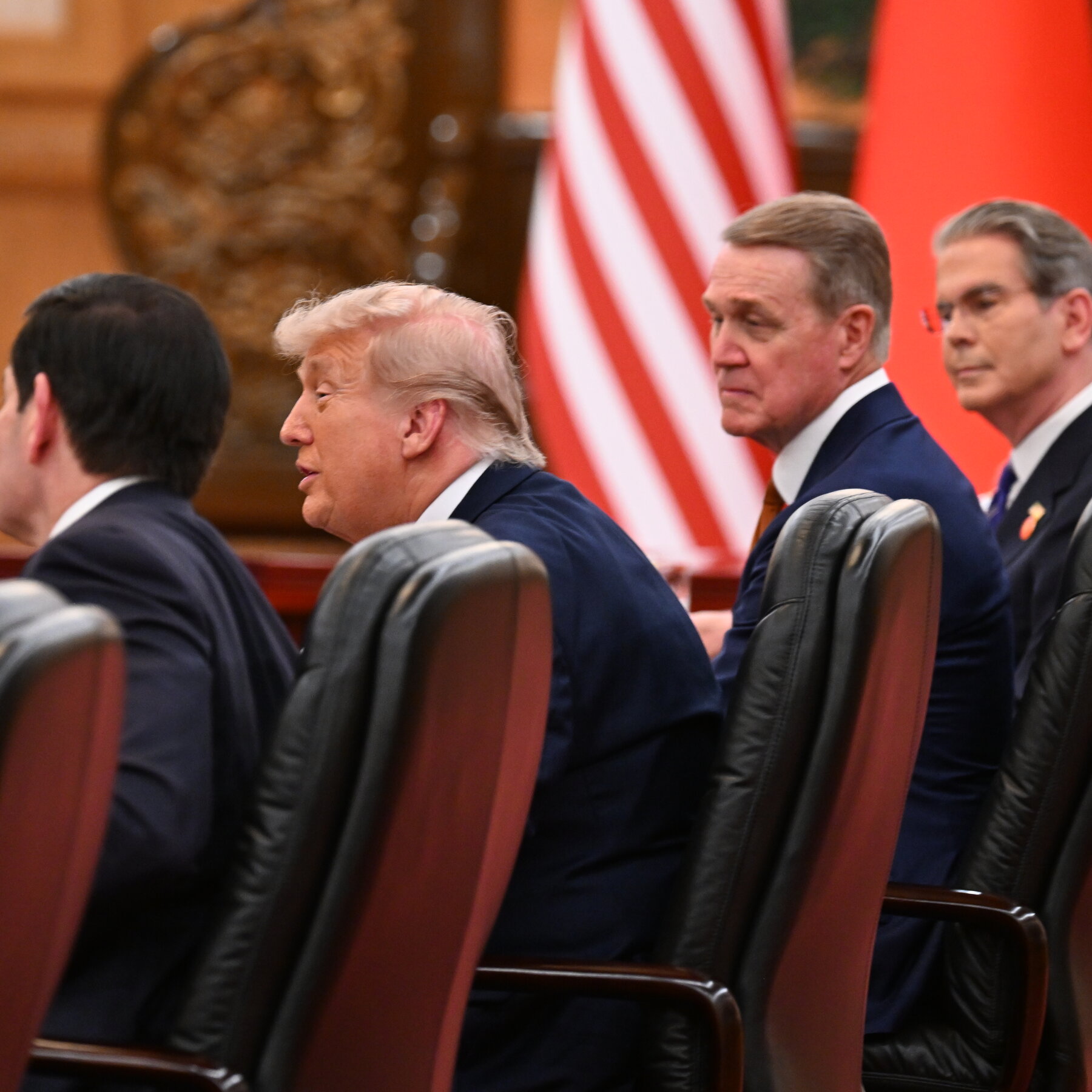
The relationship between American economic policy and the influx of foreign capital, particularly from China, remains a subject of intense debate within Washington. While certain political figures have signaled a willingness to welcome increased investment from Beijing, this posture runs counter to deep-seated anxieties surrounding national security. The core challenge for policymakers is finding an economic path that encourages necessary capital flows without compromising critical technological or industrial advantages.
These concerns are not theoretical; they are rooted in years of geopolitical friction and specific worries about data sovereignty and industrial espionage. For many quarters in the defense, technology, and finance sectors, the potential for foreign entities—even those that are ostensibly private—to gain access to sensitive American infrastructure or intellectual property represents an unacceptable risk. Therefore, any overt signaling toward accommodating significant Chinese investment must navigate a minefield of existing regulatory caution.
This dynamic suggests a complex calculus is at play. On one side, there is the practical need for robust investment to fuel domestic growth and maintain economic competitiveness. On the other, there is a consensus, particularly among security establishments, that China’s state-directed economic model poses inherent risks that cannot be easily dismissed for the sake of immediate financial gain.
What This Means:
The political signals regarding Chinese investment suggest a potential pivot toward greater commercial engagement, possibly driven by domestic economic pressures. However, the underlying apprehension among key governmental bodies suggests that any major concession regarding foreign capital will be met with rigorous scrutiny, if not outright resistance. This means that even if a policy advocate proposes welcoming capital, the actual regulatory framework will likely remain restrictive, prioritizing security assessments over pure market accessibility.
Background / Context:
Historically, the U.S. approach to China has oscillated between aggressive decoupling and periods of strategic partnership. The initial optimism that international trade would organically benefit both economies has been tempered by escalating tensions in areas such as trade imbalances, intellectual property theft, and technological competition. Official statements and industry reports have repeatedly cautioned against allowing foreign ownership stakes in key American industries—including advanced manufacturing, AI research, and critical energy infrastructure—without extensive vetting. The general consensus reflects a desire to foster economic ties where beneficial, but to draw firm, defensive lines in the sand wherever national security is perceived to be at risk.
About the Author