Assessing the Stakes: Current Assessments of Potential Conflict with Iran
Recent public statements have indicated a recalibration of the perceived risks associated with potential military confrontations involving Iran. These remarks suggest a pivot from earlier pronouncements of inevitable, swift victories, adopting instead a tone of downplaying the scale or immediate impact of such an engagement on the United States. This revised perspective challenges prior assessments regarding the potential gravity of hostilities in the region.
The shift in rhetoric suggests an attempt to manage expectations surrounding complex geopolitical flashpoints. Instead of projecting an image of imminent, decisive action, the commentary leans toward minimizing the perceived threat or the scale of the necessary response. Such statements prompt broader discussions about the strategic calculations guiding U.S. foreign policy in the volatile Middle East region.
What This Means: Policy Implications and Regional Stability
The emphasis on downplaying the severity of a conflict suggests a potential diplomatic or strategic shift in Washington’s approach. If policymakers genuinely believe the conflict is manageable or less significant than previously portrayed, it could imply a favoring of de-escalation strategies over military confrontation. From a broader stability standpoint, this could signal a pivot toward more limited, targeted measures rather than large-scale military overhauls of regional dynamics.
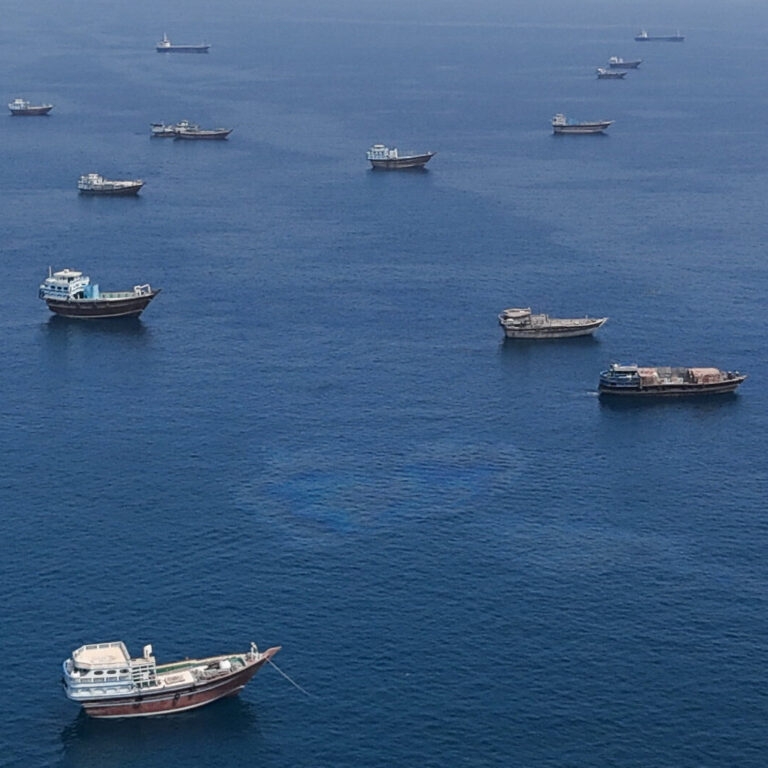
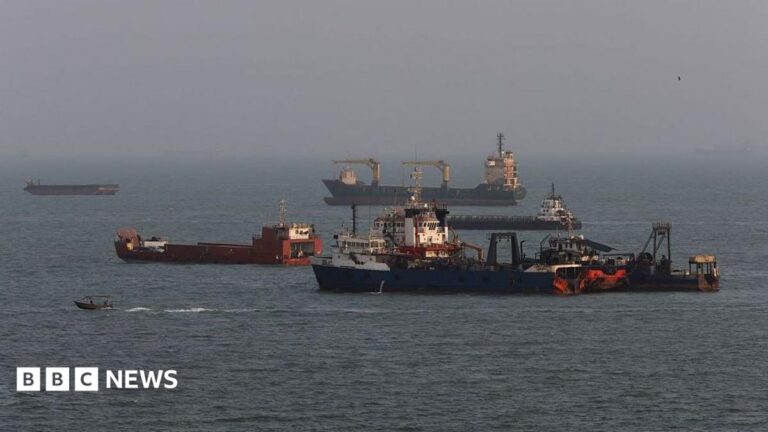
However, such reassurances must be viewed against the backdrop of ongoing regional tensions. Official analyses of the area suggest that multiple localized flashpoints remain highly volatile. The actual risks involved in a conflict with a nation like Iran are multifaceted, encompassing proxy forces, critical shipping lanes, and regional power dynamics, making any definitive downplaying of the threat inherently speculative.
Background and Context: Evolving U.S. Posture
The nature of statements regarding regional military readiness often changes in response to evolving intelligence and diplomatic outcomes. When projecting confidence in a military outcome, the initial messaging tends to be highly decisive. A change in this tone, conversely, often signals a re-evaluation of ground realities—perhaps acknowledging unforeseen complexities, fluctuating alliances, or the sheer difficulty of achieving quick, total resolution in deeply entrenched regional rivalries.
Historically, engagements in the Persian Gulf and the Arabian Sea have required prolonged, complex strategic patience. Therefore, any assertion that a significant regional confrontation will prove minor requires a substantial shift in underlying assumptions about the opposition’s resilience and the operational environment. Observers note that the true measure of a conflict’s scope often emerges not during the initial pronouncements, but through the subsequent, protracted engagement phases.
In summary, while public statements may seek to reassure stakeholders by minimizing potential conflict impact, the underlying geopolitical realities remain deeply fraught. Analysts are closely monitoring whether this rhetorical moderation translates into concrete policy changes favoring de-escalation or if it merely represents a temporary rhetorical adjustment amid continued high levels of regional instability.
About the Author