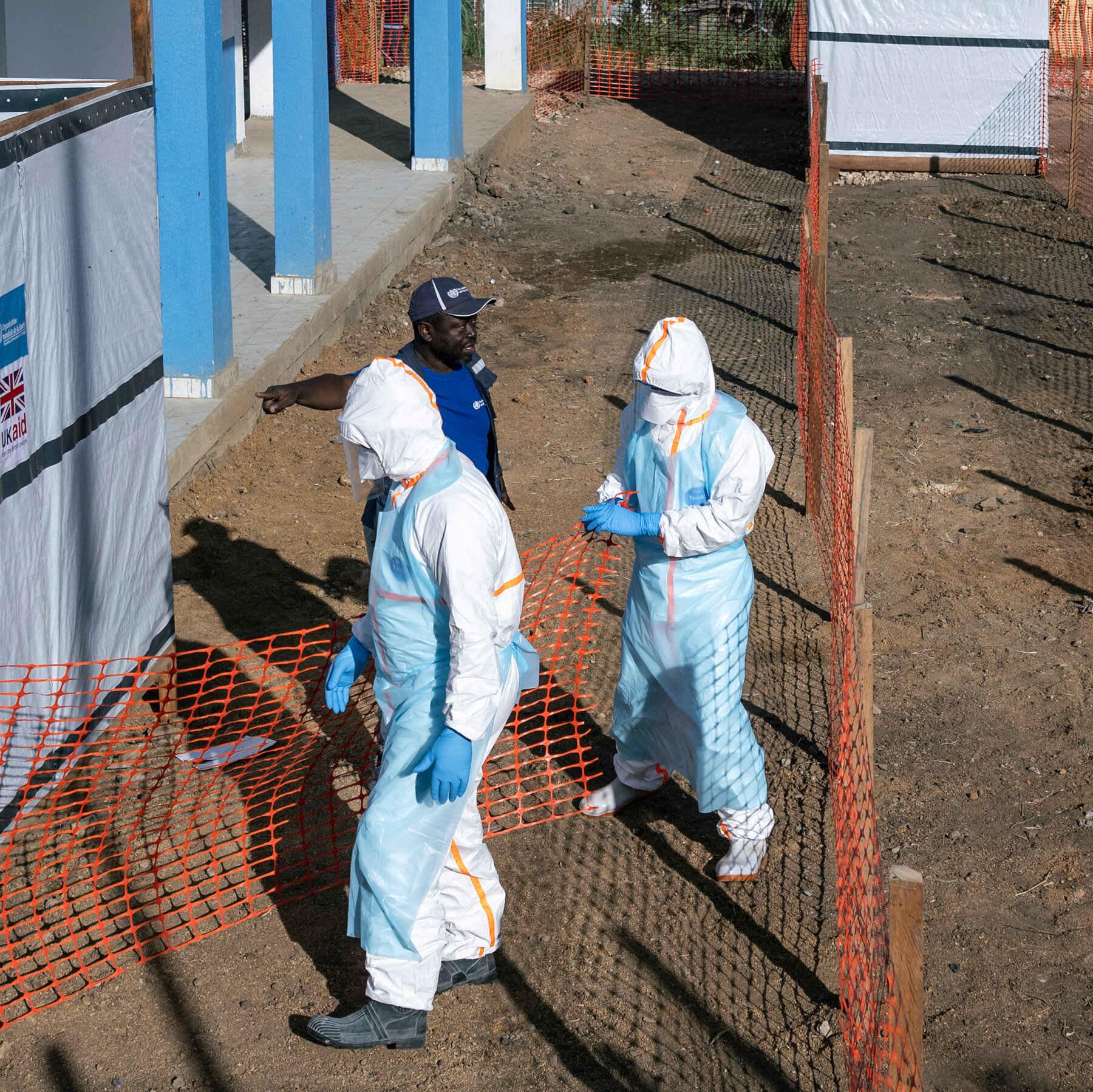
Ebola Outbreak Response: Examining the Protocol for Managing Potential Imports
As the Ebola outbreak continues to expand its geographic footprint, a critical aspect of the national response centers on the protocols for managing individuals who may be exposed or potentially infected upon returning to the United States. Established guidelines detail rigorous procedures intended to monitor and provide necessary medical care to any Americans who might be at elevated risk. However, the administration has not yet provided a comprehensive public outline detailing how these returning individuals will be managed once they reach U.S. soil.
The absence of a clear, publicly communicated plan for re-entry guidelines creates a point of concern for public health officials and the general population. Effective pandemic management relies heavily on transparent, preemptive planning. In this scenario, the gap between existing, established medical protocols and the administration’s stated approach for implementation upon potential arrival at borders is significant and warrants immediate clarification from public health leaders.
What This Means: Operationalizing Border Health Security
The ambiguity surrounding re-entry procedures has direct implications for border health security and the operational readiness of quarantine facilities. When returning individuals are potentially exposed to a serious pathogen like Ebola, the procedures—including screening, isolation, and specialized medical assessment—must be executed flawlessly and consistently. A definitive policy statement is necessary to ensure that medical teams, transportation logistics, and receiving facilities are all aligned and prepared to handle a surge of potentially infectious cases according to established best practices. This lack of a unified directive can introduce points of failure into what should be a highly controlled, multi-layered medical process.
Context of Established Protocols
Historically, public health responses to outbreaks of this severity have relied on strict, pre-defined quarantine and medical monitoring circuits. These frameworks are designed to contain the virus’s spread by intercepting any symptomatic or exposed persons entering the country from affected zones. The protocols are not merely advisory; they represent actionable, medicalized responses involving specialized care units and rigorous travel documentation checks. The entire system is built on the assumption of clear governmental mandates dictating the handling of high-risk arrivals.
Therefore, the primary concern highlighted by experts is not the existence of monitoring procedures, but rather the communication and formal adoption of those procedures into current policy. Public health preparedness demands that the protocols, which are medically sound and widely accepted in emergency response circles, are formally detailed and communicated to the public and healthcare workforce in a cohesive manner. This transparency is vital for maintaining public trust and ensuring a unified, rapid national response should the outbreak necessitate domestic monitoring efforts.
About the Author