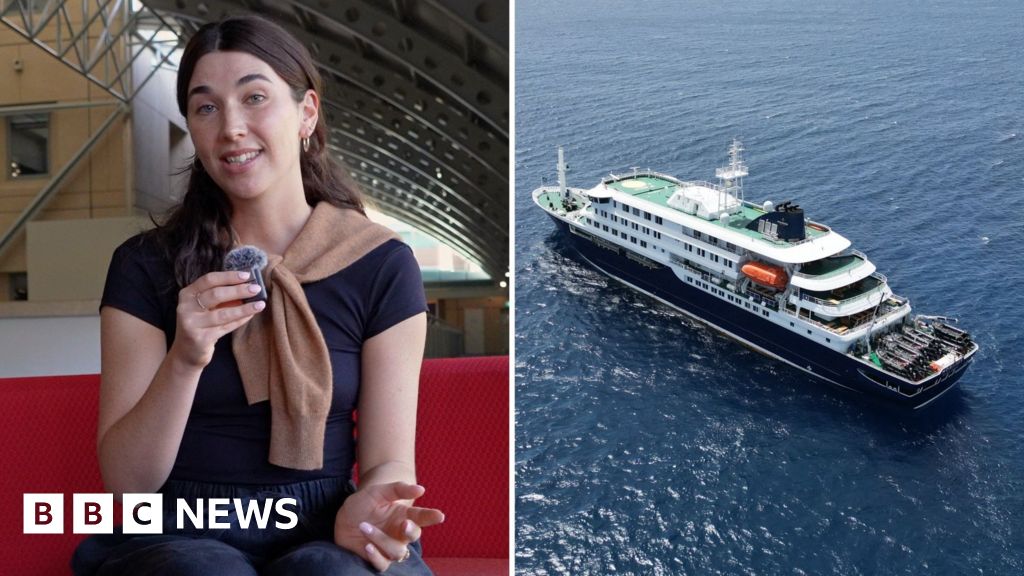
Understanding Viral Spread in Cruise Environments
Concerns frequently arise regarding the potential for pathogens to spread rapidly within the confined and highly trafficked environment of a cruise ship. Given the close proximity of passengers and the nature of prolonged travel, questions about elevated risk levels are common when such vessels are operational. Expert analysis is crucial to determine whether the lifestyle and setting of cruising inherently create conditions more conducive to viral transmission compared to other travel settings.
Recent unfortunate incidents, such as reports of suspected outbreaks on transatlantic voyages, tend to heighten public awareness and anxiety. When illness clusters occur, media focus naturally directs attention to the vessel itself. However, medical experts emphasize that while cruise ships do concentrate people, the risk profile depends far more on the specific pathogen, the level of onboard hygiene protocols, and the actions taken by both the crew and the guests during the journey.
What This Means for Travelers
The significance of these discussions lies in promoting proactive health awareness among travelers. It underscores that simply being on a cruise does not guarantee a low risk of infection, nor does it guarantee high risk. Instead, it points to the necessity of individual vigilance. Understanding basic principles of germ transmission—like hand hygiene and respiratory etiquette—remains the most effective protective measure, regardless of the mode of transport chosen.
Cruise lines and public health authorities work to mitigate these risks through stringent sanitation and operational guidelines. However, passengers must remain informed about current global health advisories. Rather than viewing the ship as an inherent hazard, it should be understood as a shared space where common-sense health practices are paramount to community safety. Monitoring symptoms and adhering to guidelines established by medical professionals are key components of responsible travel.
Context of Viral Spread
From a general epidemiology standpoint, viruses thrive in environments where human density is high and movement between populations is constant. Cruise ships represent a temporary, dense micro-community. If a novel or highly transmissible respiratory virus were to circulate, the enclosed nature could facilitate quick spread. Conversely, if the ship enforces strict movement controls and advanced ventilation, that risk is significantly lowered. Therefore, the narrative of whether viruses ‘spread more easily’ requires nuance—it is a matter of management and pathogen characteristics, not merely the vessel’s existence.
}“`json);
About the Author