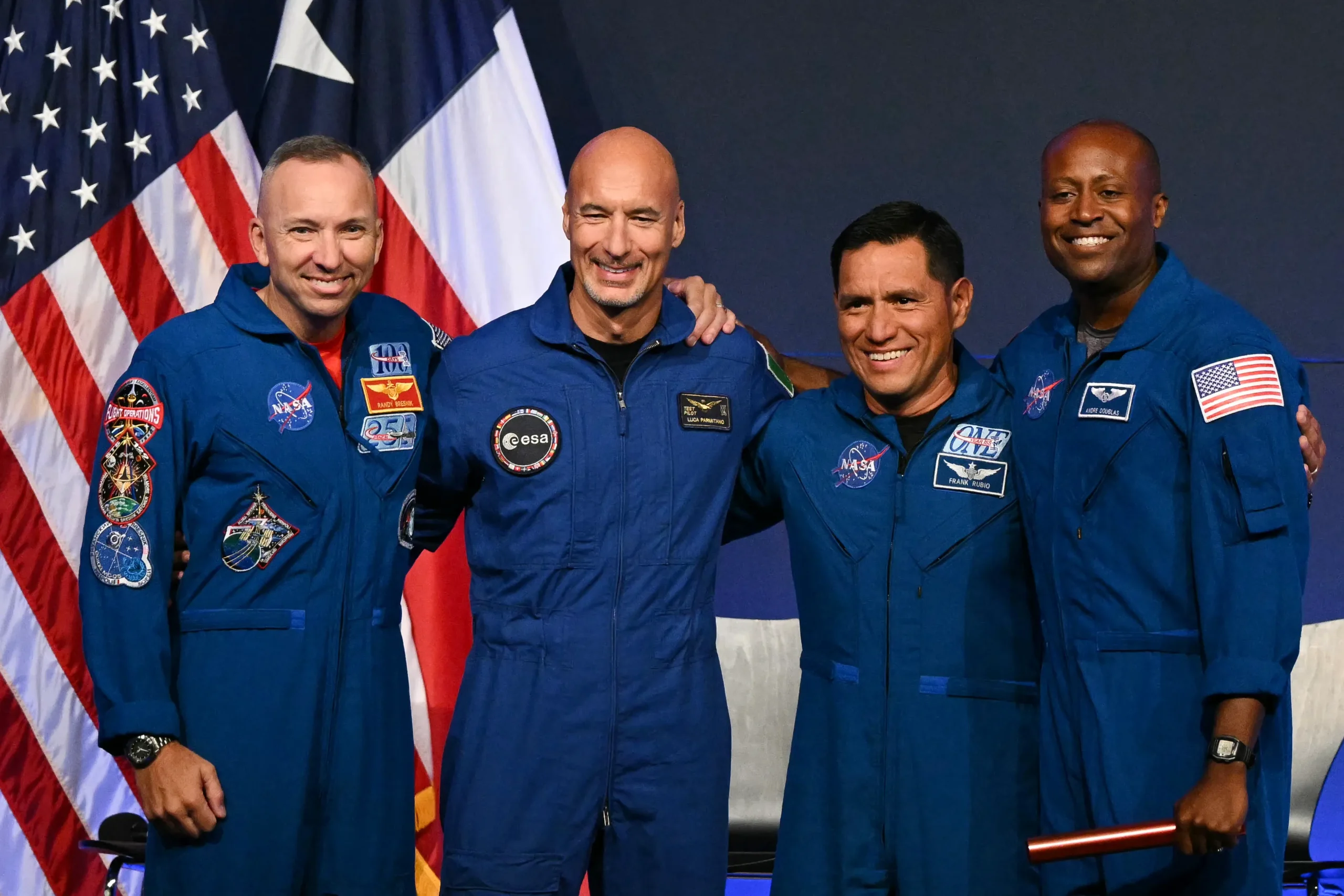
NASA Selects Experienced International Crew for Artemis III Lunar Gateway Preparation
The National Aeronautics and Space Administration (NASA) has officially announced the personnel slated for the Artemis III mission. This forthcoming journey represents a crucial preparatory step as the United States spearheads efforts to return human exploration to the Moon. The selected crew features a diverse combination of highly accomplished astronauts from various international backgrounds, each bringing unique expertise to the mission’s core objectives.
The two-week deployment is strategically designed to facilitate critical research and to rigorously practice in-space docking maneuvers. These activities are vital building blocks for the eventual goal: a successful crewed landing on the lunar surface. While the announcement did not include female crew members for this specific flight, the collective background of the team showcases significant depth in astronaut experience and operational capability.
Key Roles and Expertise of the Artemis III Team
The designated flight crew includes Andre Douglas, Frank Rubio, Luca Parmitano, and Randy Bresnik. The roster highlights a blend of military aviation experience, specialized medical skills, and deep proficiency in long-duration space habitation. For instance, one crew member, a seasoned former US Navy test pilot, brings the distinction of having commanded during the Space Shuttle era, alongside more recent leadership roles aboard the International Space Station (ISS). Another member, a physician by trade, contributes a record of extensive time spent in orbit, demonstrating unmatched endurance in space operations.
The crew’s international representation is also a notable feature. One astronaut, who hails from Italy, will serve as the only non-American citizen aboard this specific mission. This presence underscores the global nature of modern space exploration efforts, building upon decades of international cooperation that has defined orbital missions.
Implications for Future Lunar Exploration
The selection of this specialized team speaks volumes about the methodical nature of the Artemis program. Because Artemis III is explicitly designated as a preparatory mission, the skills honed—especially the mastery of docking procedures in a deep-space environment—are directly transferable to the more complex operations planned for the Moon’s surface. Furthermore, the composition of the crew, including mission specialists with varied backgrounds, ensures redundancy and access to diverse problem-solving skill sets.
Context of Artemis and Lunar Return
The Artemis program is NASA’s overarching initiative to revive and sustain American presence in deep space, with the Moon as its initial major destination. Following preliminary test flights, such as those orbiting the Moon, the mission profile escalates in complexity. The Artemis III mission serves as a vital proving ground, ensuring that all hardware, operational protocols, and human teams are proficient before attempting the culmination of the campaign: establishing sustained human presence beyond low Earth orbit. This stepwise approach maximizes safety and operational success for the ultimate lunar landing objective.
About the Author