Escalating Crisis: Reports Detail Severe Restrictions on Palestinian Access to Critical Medical Care
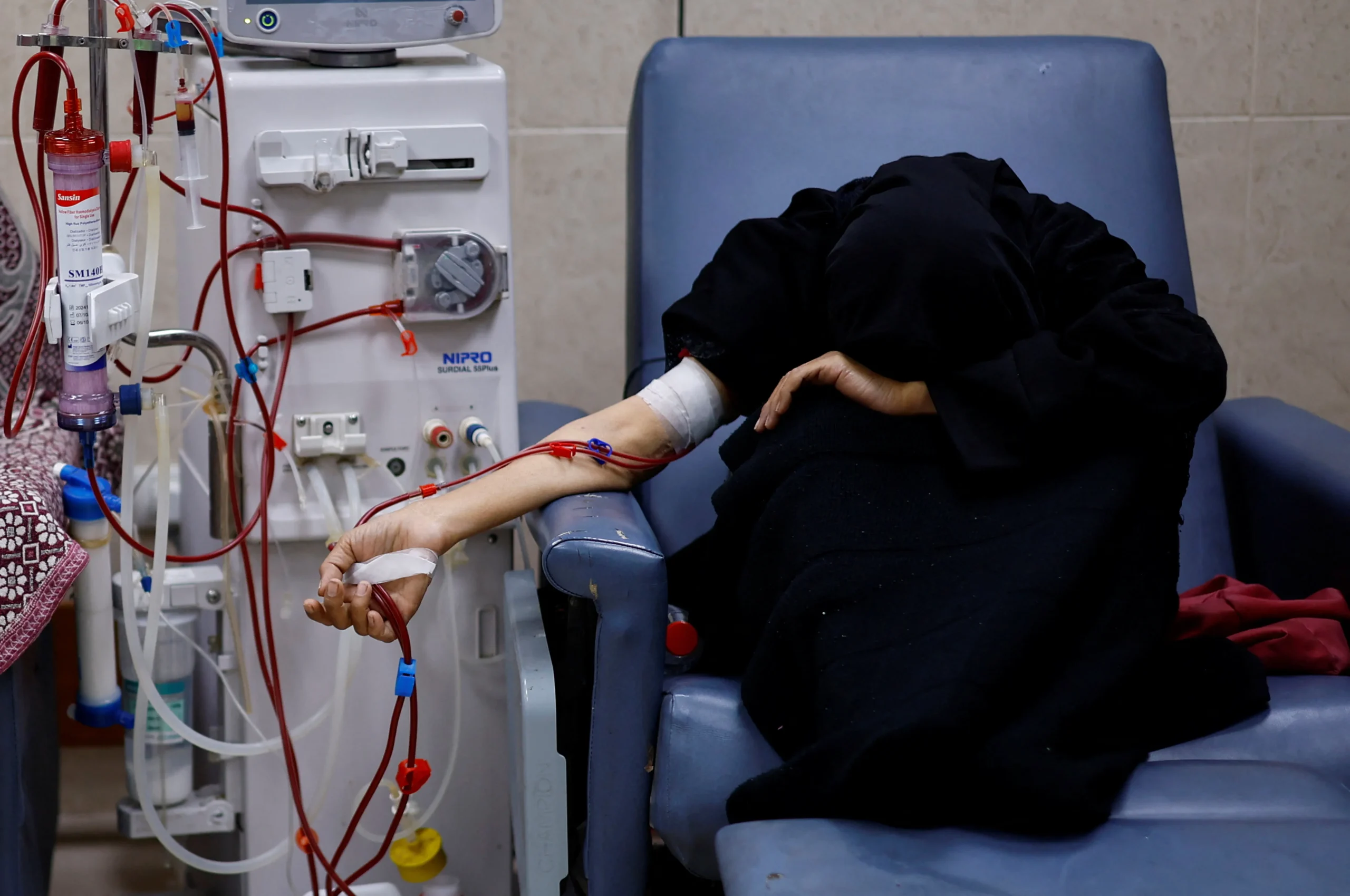
Recent accounts highlight an alarming restriction on movement for Palestinians requiring specialized medical attention. Authorities within the Gaza Strip allege that significant hurdles are being placed on civilians attempting to leave the besieged area to receive necessary treatments abroad. These reports suggest that, despite temporary lulls in hostilities, the ability of patients to access care outside the enclave remains severely compromised, raising profound humanitarian concerns.
The situation paints a picture of a collapsing health infrastructure struggling under immense strain. Official statements indicate that the systematic dismantling of the healthcare system within Gaza has resulted in catastrophic shortages of resources and services. Furthermore, the controls over border crossings are cited as a primary mechanism exacerbating the medical emergency, limiting both routine departures and critical medical evacuations.
The Significance of Movement Restrictions
The control over exit points is reportedly a central pillar of the ongoing health crisis. Officials point to the intermittent closures and highly regulated access through crossings like Rafah and Karem Abu Salem as evidence of a deliberate impedance to medical relief. The core implication is that necessary treatment is being denied not due to a lack of need, but due to restricted passage. Human rights observers are increasingly calling for external bodies to intervene, demanding the unimpeded passage of patients seeking life-saving care and the restoration of basic medical freedoms.
Assessing Local Capacity Amidst Destruction
While the immediate focus remains on the inability to exit for treatment, local health authorities are emphasizing the critical need to rehabilitate the domestic medical framework. There is a clear assertion that a substantial portion of necessary care could potentially be managed within the Gaza Strip, provided that the foundational health infrastructure—which has undergone systematic degradation—is fully restored and functional. This underscores that the crisis is multifaceted: involving both external blockades and the internal collapse of vital services.
Context of the Health Crisis
The entire health sector in the region has been subjected to immense stress following the major escalation of conflict in late 2023. Organizations supporting medical aid and international experts have consistently warned that the cumulative effect of combat operations and systemic blockades has rendered the local medical environment critically fragile. The pattern of restricted movement, combined with the documented decay of hospitals and supplies, points to a profound breakdown in the provision of universal healthcare for the population.
About the Author