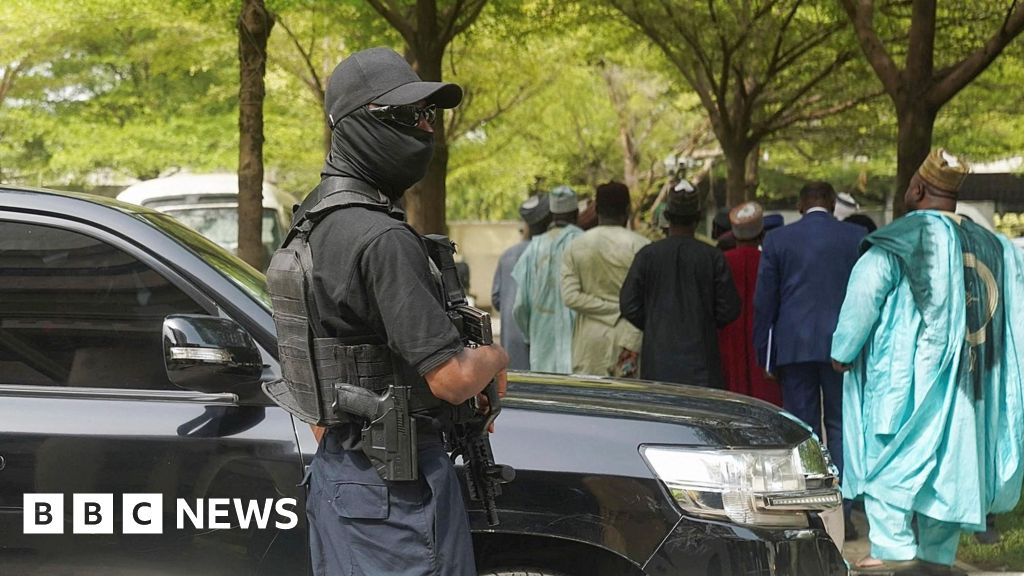
The purported political upheaval planned for Nigeria's Independence Day celebration last year has gained some traction following the filing of court documents. What was initially shrouded in secrecy and vague rumors surrounding a major plot to destabilize the nation and challenge the sitting government is beginning to take concrete form. Instead of a public demonstration on the planned date, the official celebration was canceled, leading to speculation about the true nature of the underlying unrest. The government and military authorities remained notably quiet regarding the reasons for the cancellation, keeping the details tightly controlled.
More recently, the military made limited public statements acknowledging a foiled plot, setting the stage for judicial proceedings. However, it was state prosecutors presenting evidence at the Federal High Court in Abuja that has brought forward the names of specific individuals. Currently facing trial are six civilian suspects. These charges are significant because they involve accusations spanning grave offenses such as treason, terrorism, and financial misconduct, suggesting a breadth of involvement potentially touching various elements of Nigeria's security apparatus.
Official documents suggest that the objective of the conspiracy was to create widespread instability specifically targeting the state's governance structure leading up to the purported takeover date. The evidence presented in the court filings has allegedly identified a primary figure believed to be the chief architect of these maneuvers. While the accused individuals deny the numerous charges brought against them, their trial is positioned to shed significant light on the alleged depth and coordination of the plotters' activities.
About the Author