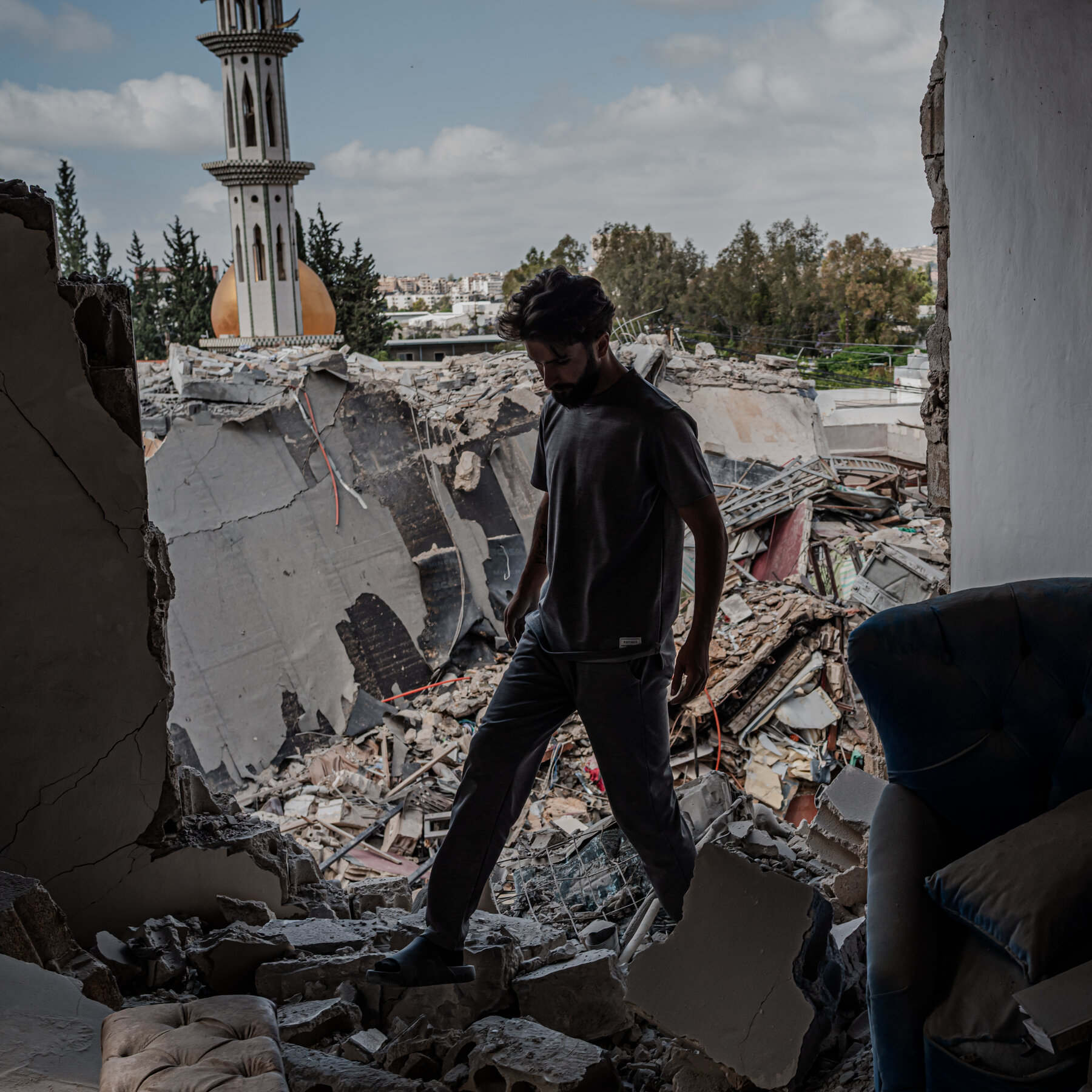
Beyond the Armistice: Understanding the Gap Between Cease-Fire and Lasting Peace
The declaration of a ceasefire, while often hailed as a significant step toward de-escalation, rarely constitutes the end goal of conflict resolution. For seasoned observers of geopolitical flashpoints, a cessation of hostilities—the temporary laying down of arms—is merely a pause button, not a permanent switch to peace. The continued movement of military hardware or the persistence of aggressive posturing in the wake of a truce suggests that the fundamental drivers of the conflict remain deeply unsettled.
The reality on the ground, therefore, often paints a more complex picture than the diplomatic pronouncements suggest. When weapons continue to be mobilized or when military activity persists despite negotiated pauses, it signals that the underlying tensions and core objectives of the involved parties have not been addressed. The passage from a mere truce to actual, sustainable peace requires far more than an agreement to stop shooting; it demands structural changes, accountability, and mutual rebuilding of trust.
The Operational Differences Between Truce and Peace
To understand this critical distinction, one must analyze the mechanisms of peacebuilding. A ceasefire is inherently tactical; it is a mechanism designed to reduce immediate violence and prevent further casualties in the short term. It typically requires only a mutual commitment from the warring factions to suspend offensive operations. However, genuine peace is strategic and deeply sociological. It necessitates the resolution of the very issues that fueled the initial fighting—whether they relate to disputed borders, governance, resource control, or ethnic grievances.
When the military calculus continues to show an appetite for conflict, the truce is often viewed as an operational lull rather than a diplomatic breakthrough. This persistent activity suggests that one or more parties are using the ceasefire window not for dialogue or reconciliation, but for regrouping, rearming, or recalibrating their next set of strategic objectives. The danger here is that the temporary respite only serves to mask the continuing enmity, creating a volatile environment ripe for a renewed flare-up once the vigilance lapses.
The Pillars Required for Lasting Stability
For an agreement to transition successfully from a temporary halt in fighting to a durable peace, several foundational elements must be firmly established. First, there must be credible mechanisms for verifying compliance with the agreed terms, preventing one side from exploiting the goodwill of another. Second, and perhaps most crucially, there must be a binding political track accompanying the military one. This political track needs to address the root causes of antagonism, perhaps through international oversight or comprehensive constitutional reform.
Furthermore, the rebuilding process itself requires international participation that extends beyond merely facilitating the pause. It involves economic stabilization, ensuring humanitarian access to all populations, and fostering confidence among communities on all sides that they can thrive together. Without tackling the institutional failings or the deep-seated grievances that the initial conflict exploited, any truce risks becoming nothing more than a prelude to the next wave of instability.
About the Author




