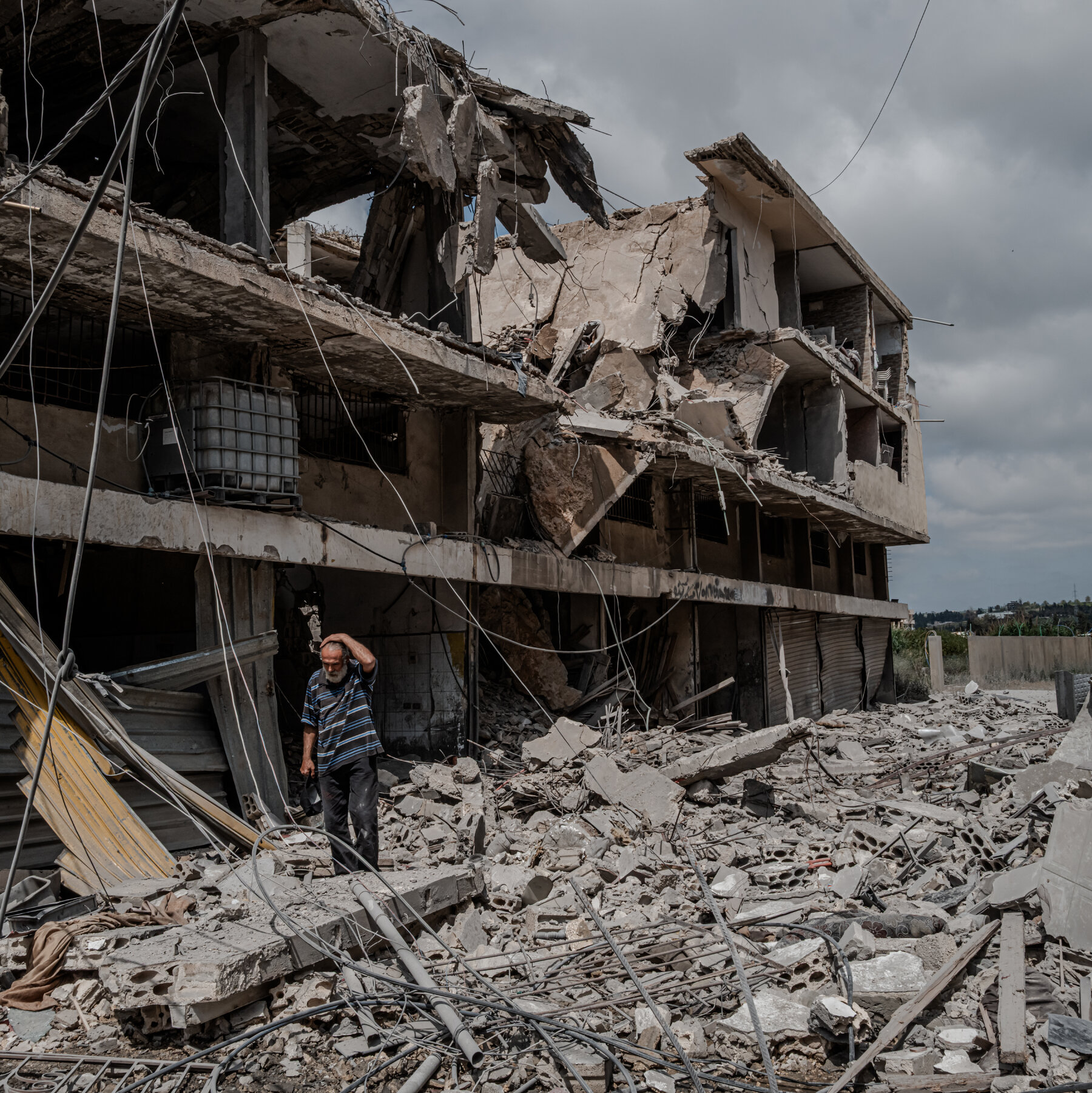
Assessing Lebanon’s Outlook as Regional Conflicts Intensify
The prevailing sentiment within Lebanon suggests a deep skepticism regarding the potential for lasting peace through diplomatic mediation. As tensions continue to escalate along the Israeli border, particularly in the southern regions, many observers and citizens appear resigned to the reality of protracted conflict. This collective outlook indicates a weariness with the cycle of fighting and diplomatic maneuvering that has characterized the nation’s recent history.
This sense of resignation is deeply rooted in the complexity of the geopolitical forces arrayed around Lebanon. The local populace seems to have processed the narrative that external agreements, whether brokered between major global powers or regional rivals, may not translate into fundamental, day-to-day tranquility for the country itself. The continuous friction points suggest that internal and external dynamics are too volatile for easy resolution.
The Weight of Geopolitical Dynamics on Civilian Life
The immediate flashpoints, such as the ongoing confrontations between Israel and Hezbollah, dominate the national conversation. These exchanges of force create an atmosphere of sustained tension that overshadows other areas of civic life. The situation suggests that the Lebanese people may view the conflict not as a temporary flare-up manageable by treaty, but as a deeper, structural challenge to the nation’s stability, regardless of high-level diplomatic breakthroughs.
Implications for National Sovereignty and Future Stability
The difficulty in achieving consensus on a path toward de-escalation speaks volumes about the deep divisions at play. When the conflict narrative becomes so interwoven with regional power plays—involving nations far beyond Lebanon’s borders—it suggests that achieving durable peace requires more than just a handshake deal between external actors. The local population’s skepticism points toward a belief that lasting safety must come from systemic changes or a more profound alignment of local political will that external treaties alone cannot guarantee. This perspective frames the conflict as endemic rather than episodic.
The anticipation of any potential major geopolitical settlement appears tempered by the persistent reality of frontline tensions. This continuous state of alertness suggests that Lebanese citizens are preparing for, and perhaps accepting, a prolonged period of instability, placing immense strain on the country’s social fabric and governance structures while international focus remains fixed on the major players in the wider conflict zone.
About the Author




