Bridging Divisions: How North American Unity Fueled a World Cup Bid
The proposition of hosting a major international sporting event, such as the FIFA World Cup, often serves as a powerful catalyst for regional cooperation. In the case of North America, the bid represented more than just a sporting venture; it became a visible demonstration of collective ambition aimed at unifying disparate national interests. Despite historical and contemporary tensions that have characterized relationships between the nations within the region, the joint effort required for such a monumental undertaking mandated a temporary, yet potent, alignment of goals.
This shared objective—securing the right to host the World Cup—compelled the involved nations to set aside recurring political friction. The focus necessarily shifted from bilateral disagreements to a singular, unifying pursuit. The mechanics of coordinating infrastructure, managing logistics for a global audience, and presenting a cohesive front to international governing bodies demanded a level of synchronized teamwork rarely seen amidst periods of heightened regional strain. This necessity for collaboration formed the foundational narrative of the bid itself.
The Significance of Collective Sporting Ambition
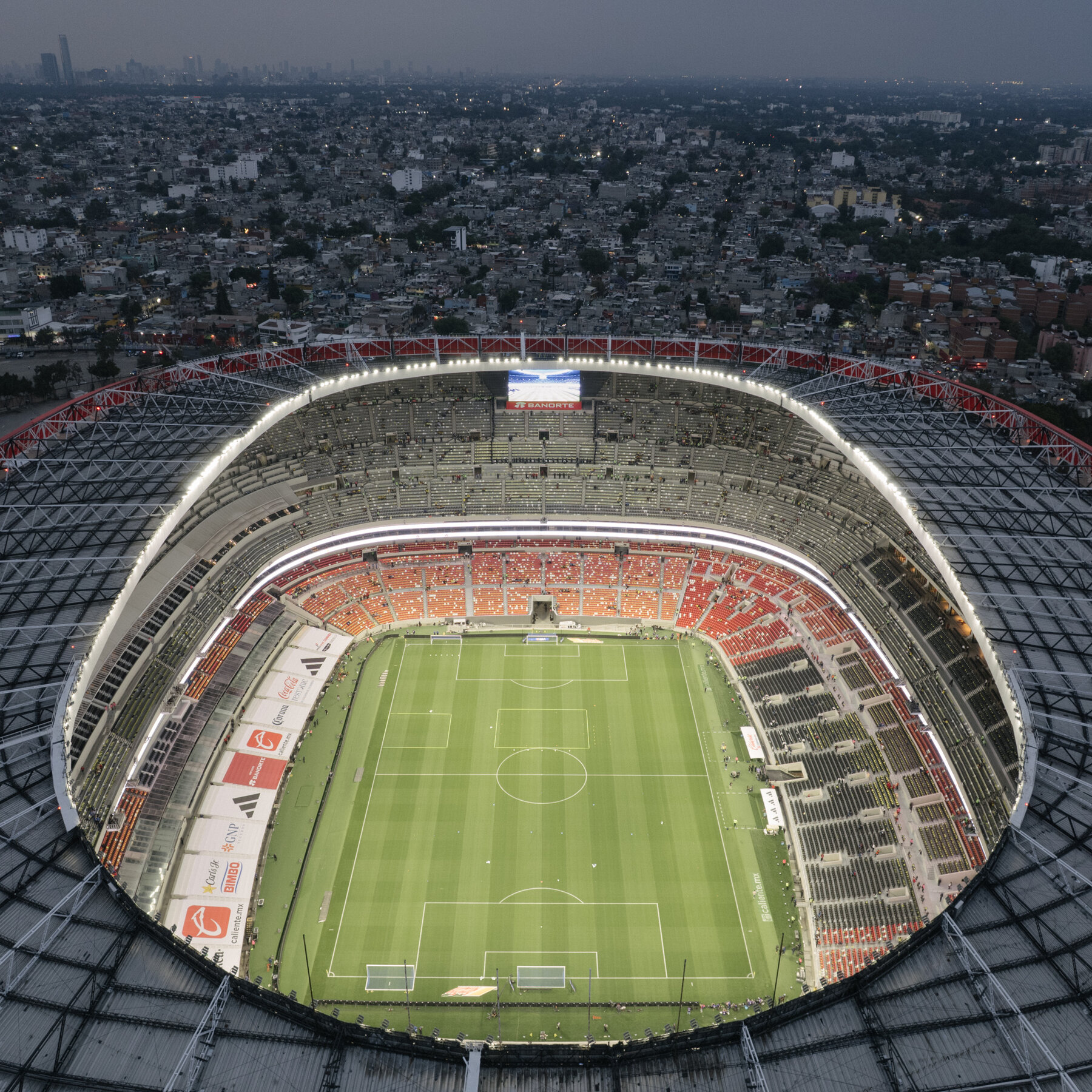
The successful structuring of a World Cup bid fundamentally alters the geopolitical landscape of the participants, at least in the short term. It forces stakeholders to build consensus on complex, multi-layered plans that span decades. For Mexico, Canada, and the United States, the shared vision for a world-class sporting spectacle created an economic and symbolic platform where national differences could be managed under the umbrella of mutual aspiration. It underscored the potential for shared prosperity and cultural exchange that could supersede ongoing diplomatic hurdles.
This experience provided a unique blueprint for understanding how shared mega-projects can serve as diplomatic anchors. When the stakes—and the spotlight—are set on a single, grand goal, the incentive structure favors partnership over pointed contention. The resulting framework for the tournament was designed not just around athletic fields, but around the interconnectedness of the participating economies and cultures.
Contextualizing Regional Relations
The backdrop against which this bid developed was characterized by fluctuating diplomatic temperatures among the three North American countries. Such relationships are often subject to periodic strain based on trade disputes, immigration policies, or localized political flare-ups. Historically, these nations have navigated periods of tension, and this World Cup bid emerged during a time when those underlying tensions were palpable. Consequently, the sustained, high-stakes nature of the preparations required developing a diplomatic synergy that was, by necessity, robust and multi-faceted.
Ultimately, the planning process served as a practical exercise in multinational governance. It established working mechanisms and established lines of communication that proved resilient enough to manage the immense pressure of global expectations. The resulting organizational structure for the tournament thus carried an inherent mandate for teamwork, setting a model for how diverse political entities can collaborate effectively when presented with a powerful, shared cultural objective.
About the Author