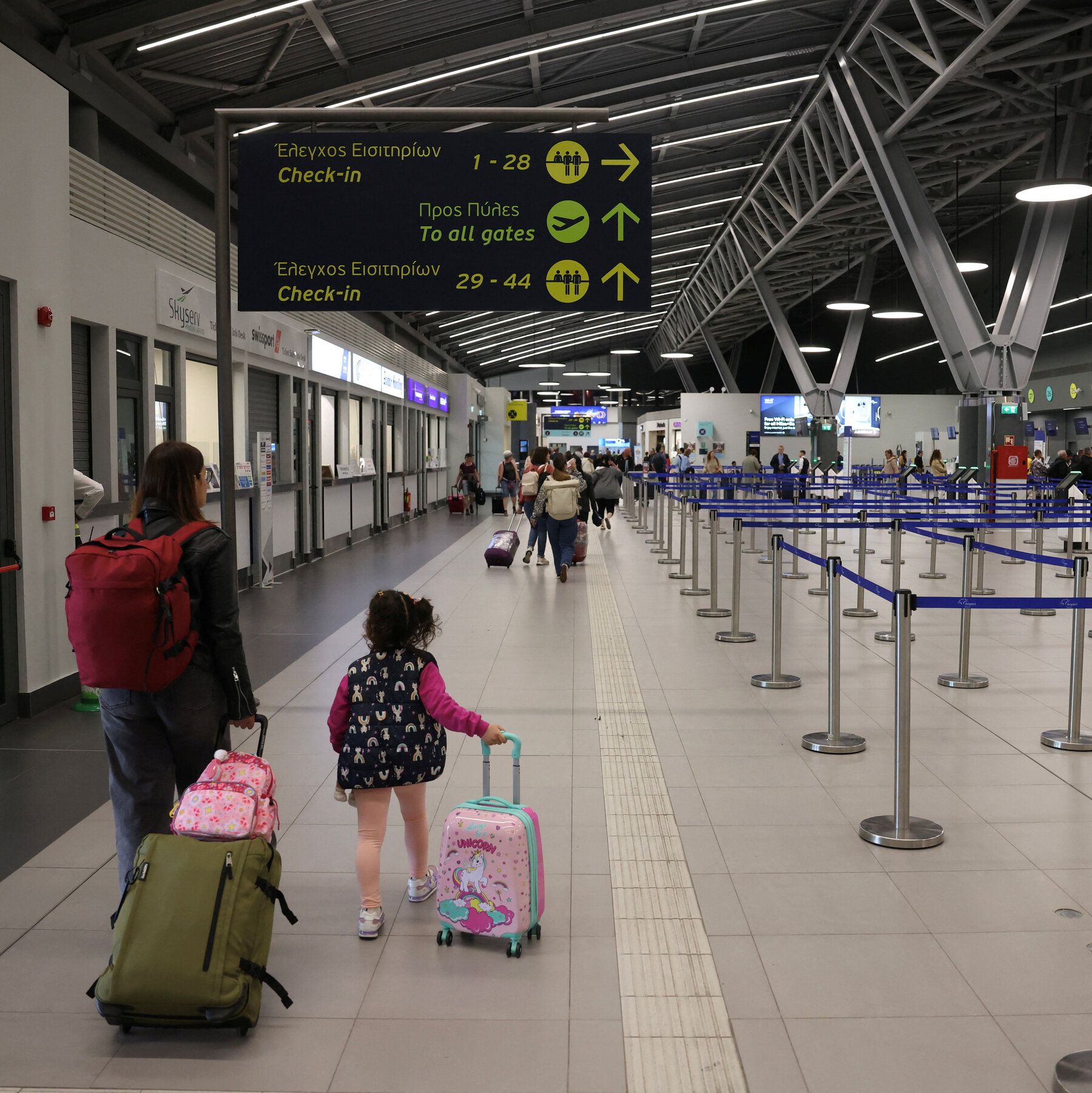
Competition authorities in the UK are currently examining the practices of a major low-cost airline concerning fees associated with seating arrangements. The core issue under review involves whether the imposition of charges for parents wishing to sit adjacent to their children constitutes an anticompetitive or unduly burdensome practice. This investigation signals a heightened level of regulatory oversight directed at how travel companies structure their pricing models, particularly when it concerns family travel.
The central conflict revolves around the pricing structure for optimal family comfort versus the perceived right to basic amenities. While the airline argues that its fees are necessary components of its operational revenue model, the watchdog is tasked with determining if these mandatory charges create an unfair market dynamic. The airline has publicly dismissed the inquiry, characterizing the regulatory action as unfounded.
What This Means for Consumers and Airlines
The outcome of this investigation could fundamentally reshape the expectations consumers have regarding pricing transparency and mandatory add-on fees across the budget travel sector. If the watchdog rules that the fees are predatory or unfairly structured, the airline may be forced to overhaul its seating policies, potentially offering complimentary or much more reasonable adjacent seating for families. For the industry as a whole, this scrutiny emphasizes a growing consumer pushback against ‘nickel-and-dime’ fee structures common in the low-cost carrier model.
Conversely, if the airline successfully defends its current model, it would set a precedent affirming its right to monetize nearly every aspect of the passenger experience, reinforcing the shift toward highly individualized, pay-as-you-go travel purchasing.
Understanding the Competitive Angle
At its heart, this situation touches upon the intersection of economic regulation and consumer rights within the travel industry. Low-cost airlines often build their business case on maximizing unit revenue by implementing numerous supplementary charges—from baggage fees to seat selection. When these charges target specific demographic needs, such as keeping families together, the scrutiny intensifies because the perceived necessity of the fee clashes with basic consumer expectation of a standard service package. The regulator’s role is to step in and assess whether the price mechanism genuinely reflects cost recovery or if it constitutes a profit-maximizing tactic at the expense of consumer fairness.
Background context reveals a broader trend in modern air travel where the base ticket price often covers only a fraction of the actual cost of the journey. This has led to a ‘modular’ pricing environment. The watchdog’s assessment, therefore, is not merely about a single fee, but about the legitimacy of structuring an entire travel product as a collection of optional, individually priced add-ons, particularly when those add-ons affect family cohesion.
About the Author