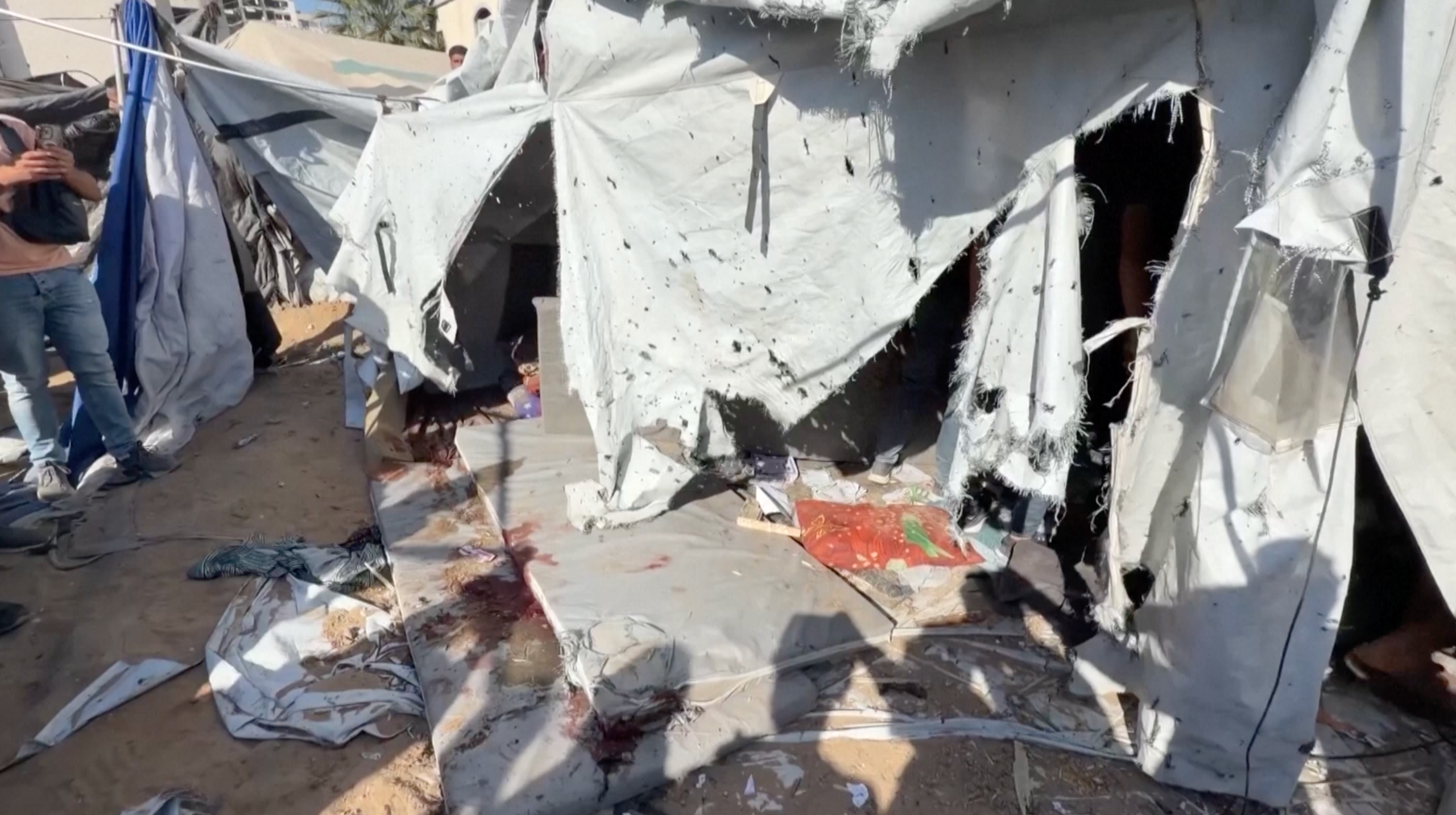
Recent military action targeting a tent encampment within Gaza City has resulted in multiple casualties among the civilian population. Initial reports confirm the deaths of at least six Palestinian individuals, with an additional dozen people sustaining injuries, among them several children. The incident has drawn immediate and strong condemnation from Palestinian militant groups, which characterized the attack as a major tragedy against non-combatants.
The immediate reaction from local political factions involved accusations of violations of humanitarian norms. They assert that such incidents undermine any fragile negotiations aimed at establishing a cessation of hostilities. This escalation of violence occurring amidst diplomatic efforts has placed increased pressure on international mediators attempting to broker a stable end to the conflict in the region.
What This Means: Implications for Negotiations and Civilian Life
The recurrence of such deadly strikes in populated civilian areas significantly complicates the path toward any negotiated truce. For mediators, evidence of attacks on residential or sheltering zones erodes confidence among parties considering a ceasefire. Such events transform the focus of international dialogue from purely political agreements to urgent humanitarian concerns regarding civilian protection and accountability. The scale of civilian loss frequently becomes a central point of contention, creating deep mistrust among actors necessary for any peace accord.
Furthermore, the targeting, or perceived targeting, of densely populated, non-military structures raises serious questions about adherence to international law regarding civilian protection. These incidents deepen the humanitarian crisis within Gaza, further limiting the ability of aid organizations to operate freely and placing immense strain on local infrastructure and medical services already stretched to the breaking point.
Background and Context: The Humanitarian Landscape
The Gaza City area has seen its civilian population displaced into various informal and temporary sheltering sites, which include tent encampments. These areas are characterized by extreme overcrowding and lack of basic services. The ongoing conflict has led to a severe breakdown of civil order and the collapse of normal life, making civilian settlements particularly vulnerable to military operations. International observers have consistently warned about the risks associated with military actions taking place in such densely packed and fragile environments.
Diplomacy surrounding the conflict has centered on multiple fronts, including ceasefires, prisoner exchanges, and the establishment of sustainable aid corridors. Each reported incident of civilian death or injury introduces a major obstacle to these delicate diplomatic undertakings. The repeated cycle of violence, characterized by high civilian cost, suggests that achieving sustainable stability will require addressing not only the military objectives but also the foundational issues of humanitarian access and safety for the general populace.
About the Author