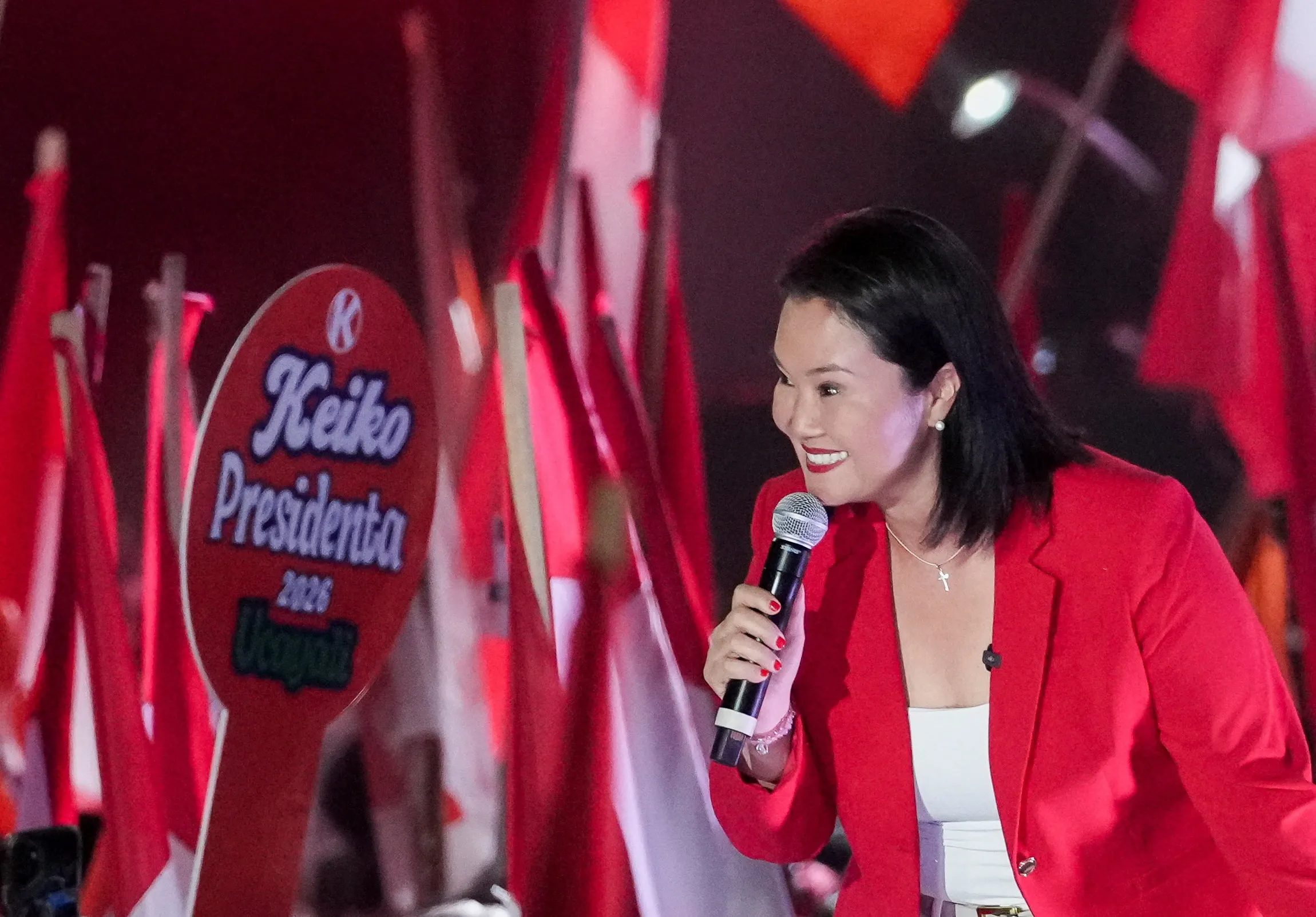
Navigating Political Storms: Keiko Fujimori’s Trajectory in Peruvian Politics
The political journey of Keiko Fujimori has been a defining, and often scrutinized, element of modern Peruvian public life. From her early visibility as the daughter of a major political figure, her ascent has been marked by consistent involvement in the nation’s highest levels of governance. Over the span of several decades, she has evolved from a relatively unknown young woman into a significant figure within the country’s dominant political machinery, establishing herself as a consistent presence despite the nation’s turbulent political cycles.
Her career trajectory reflects a deep entanglement with Peru’s corridors of power. She has cultivated a strong base within a major political party, positioning herself repeatedly as a frontrunner for the presidency. Despite intense efforts to capture the nation’s top office in previous electoral cycles, her bid for the presidency has yet to culminate in a victory. This recurring pattern has kept her at the forefront of political commentary, defining narratives of ambition, loyalty, and struggle against high expectations.
The Weight of Expectation and Scrutiny
Keiko Fujimori’s political narrative is constantly framed by the weight of her family name and the controversies that have surrounded her lineage. Public discourse frequently oscillates between analyzing her political strategies and debating the shadow cast by her father’s past actions. This dual focus—her personal political skill versus the historical baggage—forms the core tension surrounding her public life. Analysts watch closely, assessing whether her established political machinery and networking capabilities can finally overcome the deep-seated public skepticism and past scandals associated with her sphere of influence.
Political Maneuvering and Evolving Support
Her career path demonstrates a pattern of influence, often involving the placement of allies into key governmental and regulatory roles. This suggests a seasoned understanding of how institutional power operates within the Peruvian framework. While she has consistently competed for the presidency, the results of her campaigns have varied, leading to periods where her support base shifts or seems to plateau relative to competing candidates. The current electoral environment, therefore, is characterized by a close contest between her faction and emerging rivals, suggesting the final outcome hinges on last-minute campaigning efforts and shifting voter sentiment.
Significance for Peruvian Governance
The ongoing focus on Keiko Fujimori’s electoral viability carries substantial weight for the stability and direction of the Peruvian government. Her sustained political activity ensures that her associated political power structure remains a primary consideration for any potential administration. The ultimate winner of the presidency will be tasked with navigating deeply polarized national politics, making the faction that emerges victorious—regardless of background—a key determinant of the country’s immediate policy trajectory and political stability in the coming years.
About the Author