Showcase Falters as Performers Boycott 250th Anniversary Event
A major concert series commemorating the nation’s 250th anniversary is facing significant disruption following a wave of high-profile artist withdrawals. Several established performers have canceled their participation in the large-scale festival scheduled for Washington D.C., citing concerns over the event’s stated political leanings. The scheduled festivities, organized by a group promoting the anniversary, were promoted as a non-partisan celebration aimed at bringing Americans together.
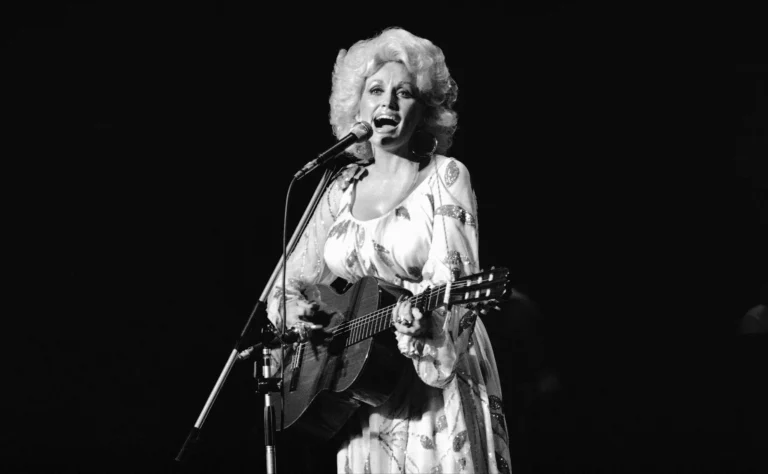
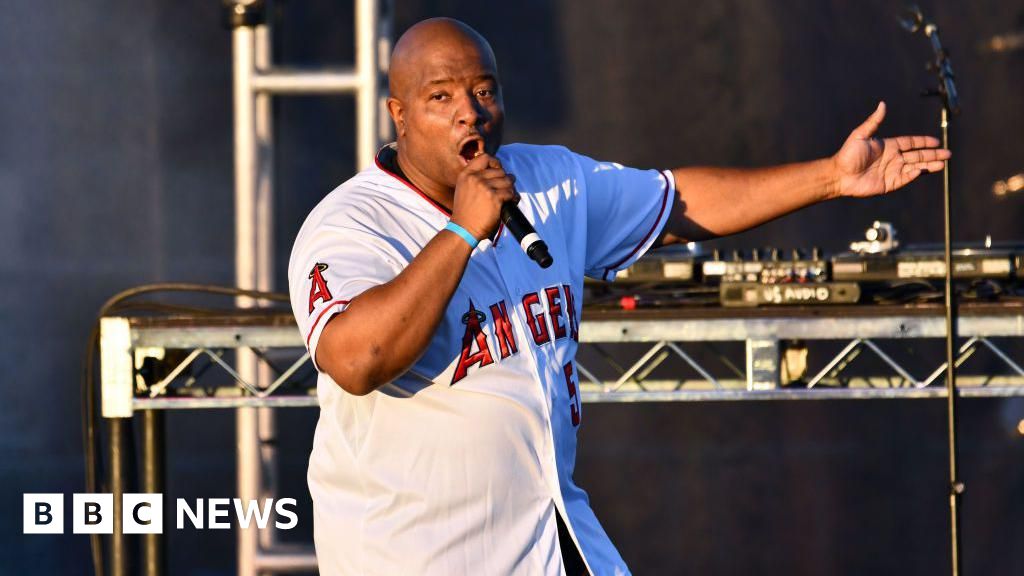
The sudden departure of notable musical acts, including representatives from genres spanning R&B, rock, and country, has cast a shadow over the meticulously planned celebration. Sources suggest that the performers felt they were not fully informed about the underlying political associations tied to the event’s promotion. Instead of the anticipated curtain call, the focus has shifted toward the discord surrounding the concert’s purported neutrality.
What This Means: A Question of Independence and Platform
The backlash underscores a growing tension regarding the intersection of cultural celebration and political messaging. When major cultural events struggle to maintain an appearance of impartiality, the credibility of the platform itself comes under intense scrutiny. The cancellations suggest that for many artists, artistic integrity and perceived political independence are paramount considerations that override participation in large-scale civic tributes.
Furthermore, the high visibility of the cancellations has created a vacuum of expected entertainment. This vacuum has drawn pointed commentary from a prominent political figure, who suggested that instead of supporting the established festival, he might host an alternative gathering, thereby attempting to redefine the cultural moment on his own terms.
Background and Context: The Changing Nature of Public Events
The circumstances surrounding this festival are notable because the organizing body has roots tied to specific political initiatives. While the stated goal remains a non-political commemoration of the nation’s historical milestone, the involvement of figures and structures associated with recent political administrations has already drawn varied public attention. This history has set a precedent, making the separation between purely cultural tribute and underlying political advocacy an increasingly fragile boundary in the public eye.
The visible resistance from the talent pool highlights a broader sentiment within various creative fields: the demand for transparency regarding the backing and purpose of large public gatherings. Rather than letting the scheduled program proceed, the fallout has become a compelling, if unwelcome, performance in itself, providing a narrative far more potent than the initial concert lineup could have delivered.
About the Author