Alarm Bells Ring in Congo: Ebola’s Rapid Spread Strains Containment Efforts
The ongoing Ebola epidemic in the Democratic Republic of Congo (DRC) has been described by major medical aid organizations as reaching an alarming level of severity. Experts have expressed deep concern over the sheer speed and volume of new infections, noting that the rate of transmission appears to be outpacing current response mechanisms. Official reporting indicates a high number of suspected cases across the country, pointing to a crisis scale that is challenging established public health protocols.
These escalating health concerns prompted visits from top international health officials. The World Health Organization’s chief traveled to one of the most intensely affected regions to assess the ground-level containment measures firsthand. While the focus remains sharply on curbing the virus’s spread, the complexity of the situation is compounded by significant infrastructural and security obstacles hindering aid delivery and thorough epidemiological tracking.
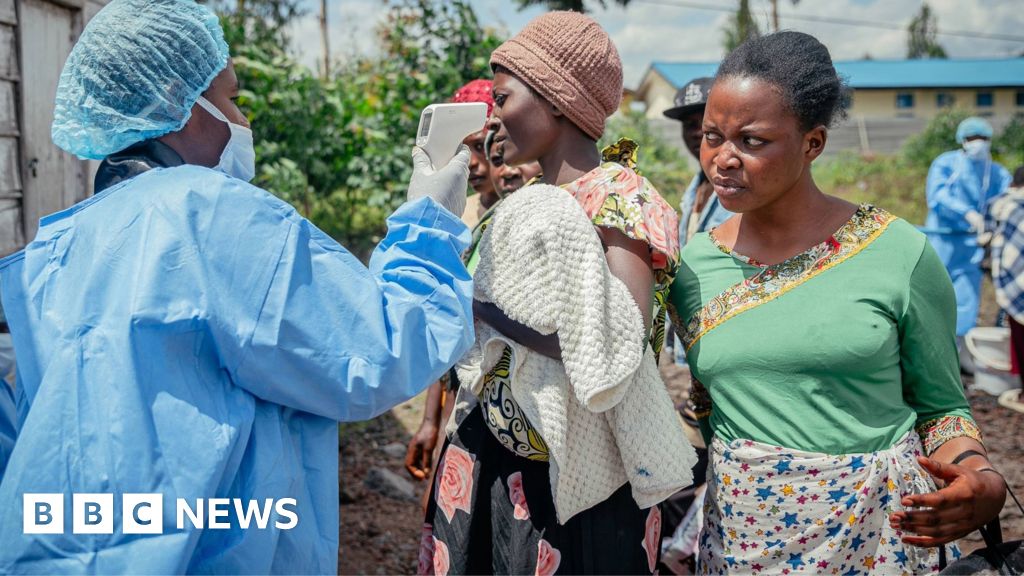
Concerns are mounting because the true scope of the crisis remains unclear. Aid workers report daily arrivals of suspected cases, yet a substantial number of samples are reportedly pending testing. This diagnostic gap, combined with disruptions to normal movement across borders and airports, creates an unpredictable and difficult environment for controlling the spread of the pathogen.
The Impact on Response Capabilities
The speed of the outbreak has presented a profound operational hurdle. Humanitarian groups have voiced warnings that the current efforts to contain the disease have not kept pace with its rapid expansion. The sheer momentum of new infections suggests that the current response capacity, while robust in some areas, is being severely tested by the continuous emergence of new hotspots. This strain requires immediate reassessment of resource allocation and containment strategies.
Furthermore, the context of the epidemic is not purely medical. Reports highlight that pre-existing instability and conflict within the DRC are significantly undermining the ability of health workers to operate effectively. Aid delivery and the maintenance of clean, secure treatment zones are hampered by these underlying security issues, complicating every step of the containment effort.
Community Involvement in the Crisis Response
Authorities visiting the affected areas have emphasized the critical role that local populations must play in stemming the tide. Officials have stressed that the communities living at the epicenter of the outbreak possess unparalleled local knowledge regarding the pathogen’s movement and transmission dynamics. Therefore, their direct, proactive participation is deemed essential for implementing effective, context-specific preventative measures.
While respecting deeply ingrained cultural practices, such as the rituals surrounding death, health officials have issued stark warnings. They have advised communities that, while cultural mourning is understood, adherence to necessary safety protocols during periods of high contagion must take absolute precedence to prevent further transmission.
Sustaining the Effort Amid Instability
The global health community is focused on reinforcing the lines of defense across the region, which also includes neighboring countries that may face spillover risk. The situation underscores the enduring difficulty in managing a highly contagious outbreak when underlying governance and security issues persist. Sustained, coordinated international effort—coupled with deep community buy-in—is deemed vital to moving beyond mere reaction and achieving genuine epidemic control.
About the Author