Charges Dismissed Following Controversy Over Satirical Artwork Depicting Public Figures
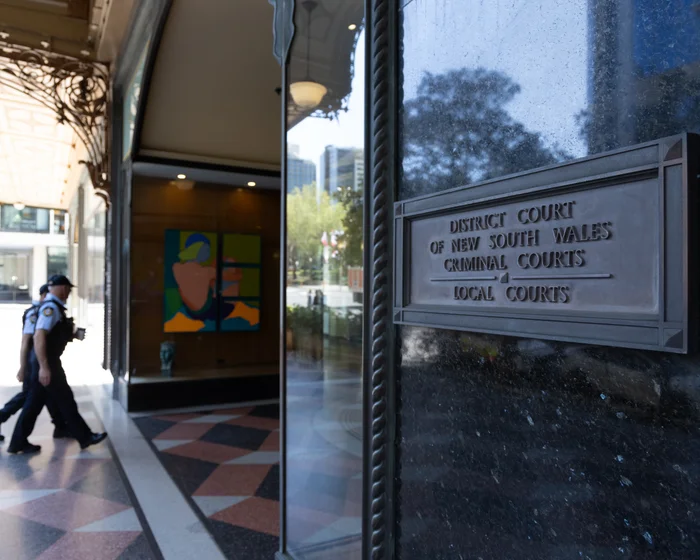
In a development concluding a year-long legal proceeding, authorities have dropped charges previously filed against an artist. The artist in question had created artwork featuring high-profile Australian individuals depicted in military-style uniforms that incorporated deeply controversial historical symbols. The proceedings culminated at a local court, where the formal charges were officially withdrawn.
The initial charges stemmed from allegations concerning the public display of materials containing forbidden symbols. Despite the gravity of the symbols depicted, and the legal charges laid against the creator, the legal action has ceased. This outcome is notable as it follows internal legal deliberations that reportedly characterized the work not as genuine incitement, but rather as a form of pointed political commentary or satire.
The withdrawal of the charges marks the conclusion of a protracted legal battle over the boundaries of artistic expression when that expression intersects with highly sensitive historical imagery and public figures. The situation has drawn attention to the difficult line that separates protected parody from unlawful display of prohibited insignia.
What This Means: Defining Artistic Boundaries in Law
The resolution of this case underscores the ongoing judicial difficulty in distinguishing between genuinely offensive or illegal depictions and those intended purely as biting social or political commentary. When satire crosses into the visual language of historical atrocities, legal bodies face significant challenges in determining the creator’s true intent. The decision to drop charges suggests the court accepted a premise that the context—the satirical nature of the work—mitigated the initial criminal concerns surrounding the symbols themselves.
This incident serves as a case study regarding freedom of expression in Australia. It forces a public reckoning with the limitations placed on artistic critique. While the law must prohibit the display of certain symbols, the legal system must also navigate the right of an artist to use shock or historical allusions to critique power structures and prominent personalities.
Background and Context: The Evolution of Satire in Law
Historically, law has struggled to keep pace with evolving forms of artistic protest. Satire, by its nature, relies on exaggeration and juxtaposition to evoke thought or laughter, often by mirroring powerful figures. When this tool is aimed at public figures—be they politicians, military leaders, or cultural icons—it inherently raises the stakes for potential legal confrontation. The controversy highlighted that while the imagery used was legally fraught, the defense mounted around its satirical intent ultimately proved to guide the legal outcome.
The entire episode has drawn broader commentary regarding freedom of speech protections. It prompts observers to consider whether the law should prioritize the message or the method of communication. For the artistic community, the outcome signals a potential, albeit narrow, recognition that viewpoint commentary, even when utilizing inflammatory visual elements, can sometimes warrant a different legal classification than that of simple prohibited display.
About the Author




