Tensions Flare at Ebola Treatment Center Amid Suspected Outbreak
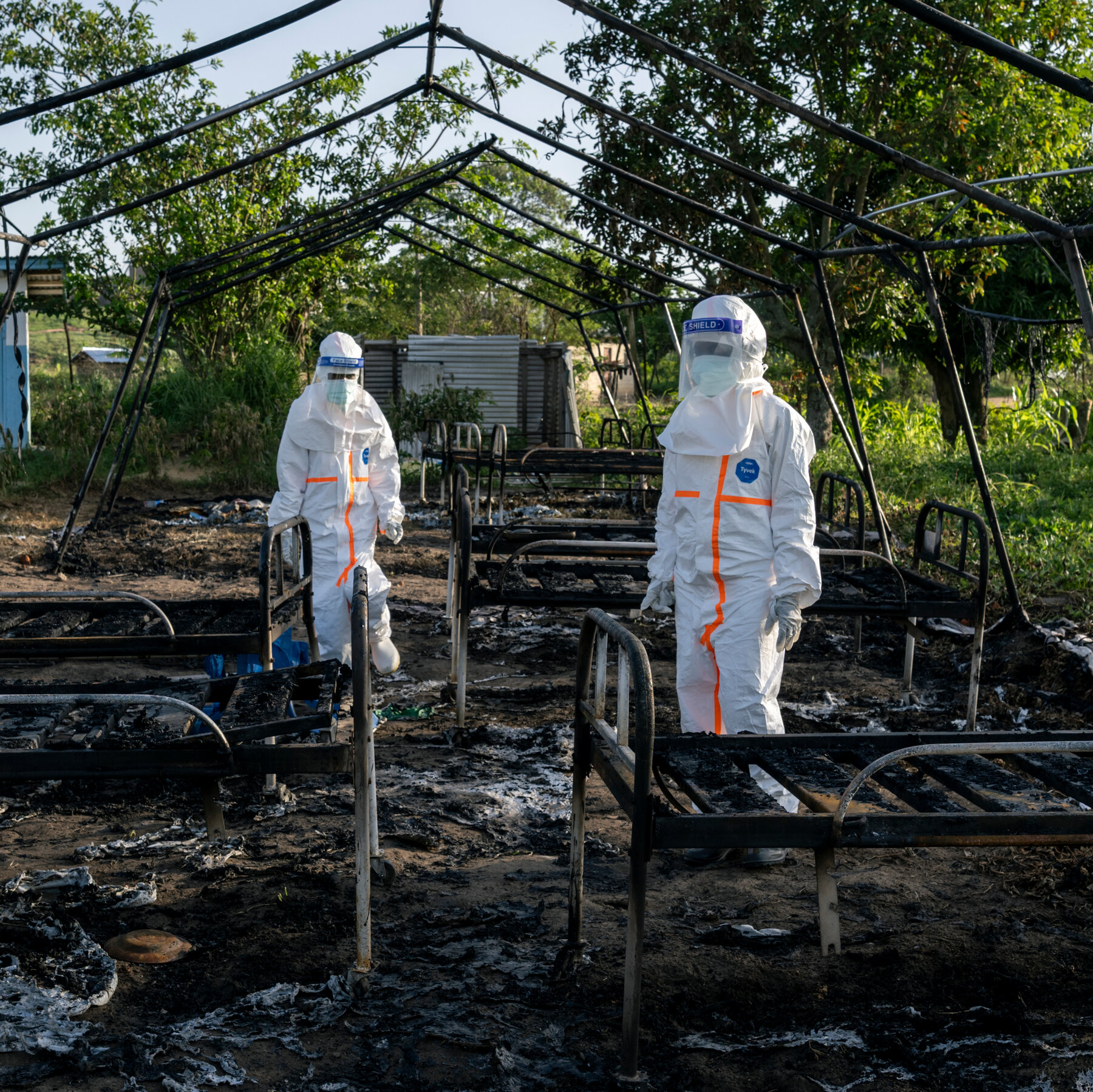
Significant civil unrest has erupted at a healthcare facility in the Congo following the suspicion of an Ebola outbreak. A large crowd of individuals gathered at the premises, ostensibly to claim the remains of a person believed to have succumbed to the highly infectious disease. The situation escalated into violence when facility staff declined the crowd’s demand to allow access or removal of the body.
The incident highlights the immense strain placed on local infrastructure and social order when confronting public health emergencies. The immediate confrontation occurred at the gates of the center, suggesting a breakdown in established protocols regarding handling deceased individuals and managing public access during a critical health crisis.
What This Means: A Crisis of Public Trust and Safety
The violence surrounding the Ebola center points to deeper underlying issues within the community’s response to the epidemic. When severe illness strikes, the lines between mourning customs, public health mandates, and community rights can become dangerously blurred. The confrontation suggests a breakdown of trust between the local populace and the medical personnel tasked with containing the threat. Furthermore, the incident underscores the critical need for robust communication strategies to manage fear and prevent secondary outbreaks fueled by panic or grief.
Authorities are likely struggling to balance the need for strict biohazard containment with the understandable, urgent emotional demands of grieving families. Such flashpoints often become flashpoints for wider societal instability, requiring immediate and measured intervention to prevent the situation from deteriorating further.
Background and Context: Managing Biological Threats
The management of infectious disease outbreaks like Ebola is inherently complex, demanding coordination across medical, security, and community engagement sectors. In such environments, the handling of deceased patients becomes one of the most sensitive and dangerous aspects of care. Protocols are designed with extreme caution to prevent contamination, which often clashes directly with traditional burial rites or immediate family desires to be with their loved ones.
Historically, outbreaks of this nature have caused significant social disruption. Communities often face a dual crisis: managing the biological danger while simultaneously coping with collective trauma and grief. The gathering of hundreds of people suggests a convergence of deep cultural practices meeting an overwhelming, scientifically enforced barrier, creating a volatile mixture that demands meticulous logistical and interpersonal management by healthcare teams.
About the Author




