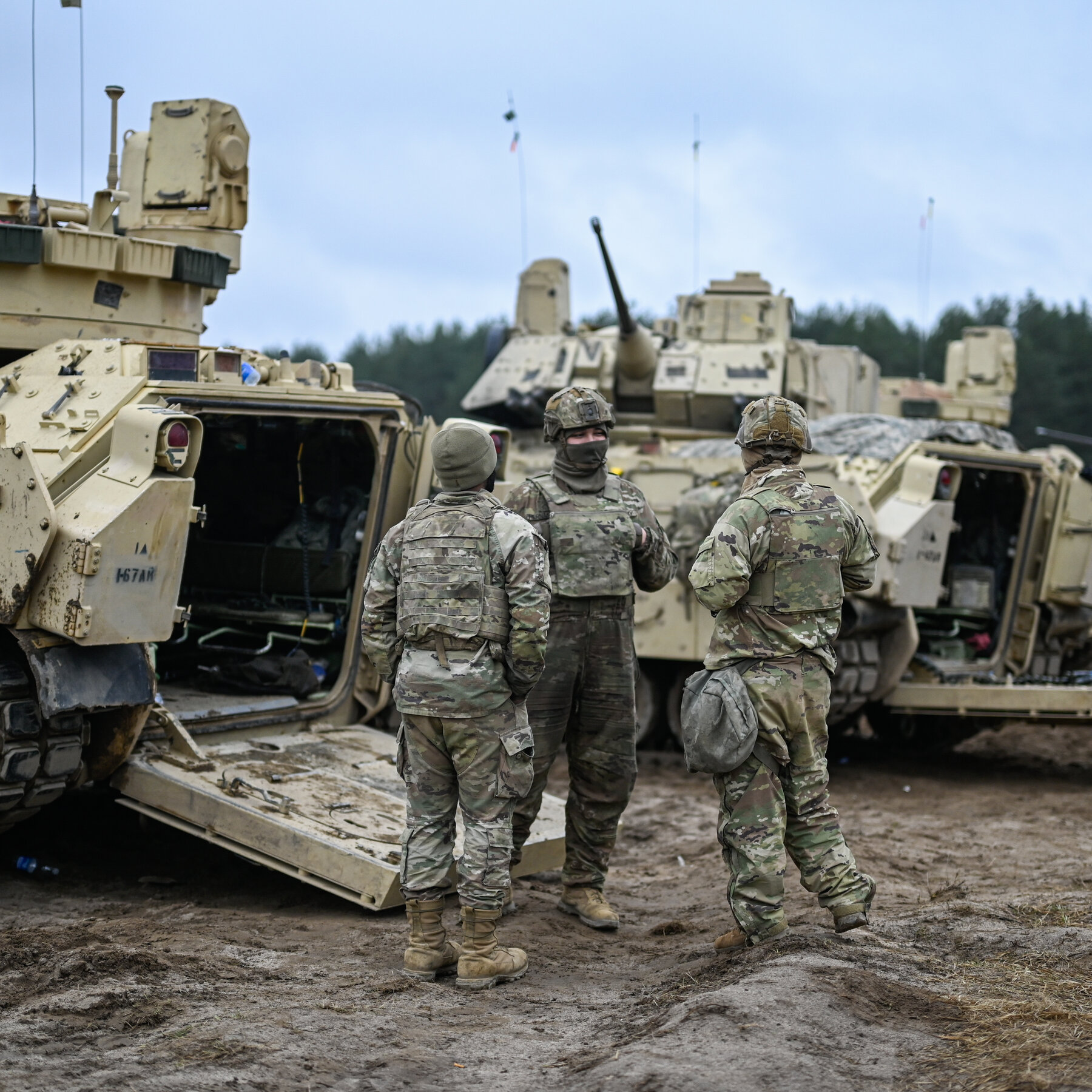
As geopolitical tensions remain high across the continent, recent pronouncements regarding military support have left European allies signaling a degree of apprehension. The suggestion of deploying substantial U.S. military assets to Poland, specifically a figure involving 5,000 personnel, has initiated considerable discussion among European governmental bodies and defense experts. These pronouncements represent a significant pivot in discussions surrounding transatlantic security commitments, demanding careful analysis from policymakers in Brussels and capitals across the region.
European leaders have historically shown a concerted effort toward strengthening continental defense capabilities, often emphasizing burden-sharing agreements among NATO partners. Therefore, any sudden or substantial change in the level or nature of American troop guarantees naturally prompts a period of reassessment. The focus across the continent is now keenly directed toward understanding the long-term strategic calculus underpinning such shifting reassurances regarding key frontline nations like Poland.
### Implications for European Defense Strategy
The core takeaway for the European security architecture revolves around predictability and reliability. The suggestion of deploying thousands of troops indicates a heightened perceived risk profile in the Eastern Flank. For European nations, this raises crucial questions about the structure of future security pacts. If major military deployments are contingent on volatile political assurances, it complicates long-term defense spending and integration plans. Consequently, there is a growing push within the bloc to solidify independent European defense mechanisms, reducing reliance on any single point of political assurance from Washington.
### Context of Transatlantic Cooperation
The relationship between the United States and its European partners is foundational to global stability. Historically, U.S. military presence has been viewed as the ultimate guarantor of regional security for much of the continent. However, escalating geopolitical pressures—marked by renewed tensions with neighboring states—are forcing a reevaluation of this traditional reliance. Official statements suggest that European members are actively deepening their own interoperability and investment in advanced defense technologies. This internal strengthening aims to create a more resilient and autonomous European security posture, reducing vulnerability to diplomatic fluctuations in allied capitals.
### Strengthening Regional Pillars
Beyond immediate troop numbers, the conversation is shifting toward institutional deepening. Allies are reportedly prioritizing enhanced command structures and joint military exercises that operate with minimal dependence on the immediate political climate of allied national capitals. The consensus emerging among many European capitals is one of calculated self-reliance; building robust, mutually supportive military frameworks among themselves. This methodical effort to bolster continental defense capabilities serves both as a response to external threats and as a stabilizing factor in the relationship with key transatlantic partners.
About the Author




