Civil Unrest Erupts Following Arrest of Man in Central Australian Community
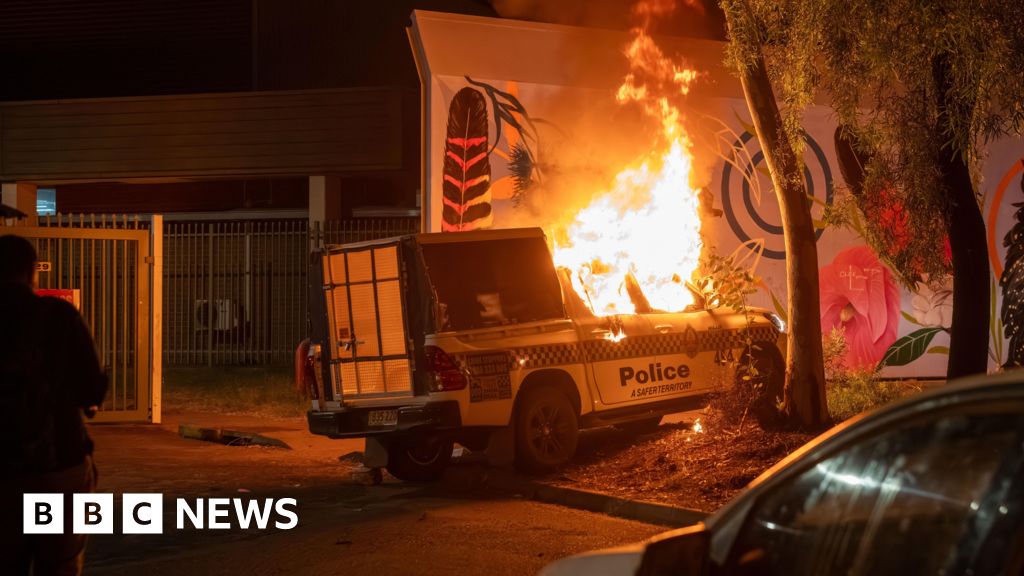
Significant public disorder unfolded in an Australian town following the apprehension of a man suspected of involvement in the death of a young child. The incident escalated into intense confrontations outside the local hospital, with large groups gathering and confronting authorities. Police reported that the situation was volatile, necessitating crowd control measures, including the use of tear gas.
The man, identified as Jefferson Lewis, was taken into custody late Thursday evening after local community members witnessed an alleged assault. The unrest appears deeply connected to the circumstances surrounding the discovery of the deceased girl, who was found earlier that day. Initial reports indicate that the gathering crowd was large, comprising several hundred individuals, many of whom were Indigenous community members.
The Impact of the Incident
The dramatic nature of the arrests and the ensuing confrontations have highlighted deep divisions and tensions within the community regarding law enforcement, justice, and traditional cultural expectations. The visible breakdown of public order underscores a fraught relationship between the populace and official state authorities.
Cultural Context and Community Response
Eyewitness accounts and official reports detailed vocal chants and demands from members of the crowd. These outbursts referenced concepts of traditional justice, specifically a term indicating customary retribution. The focus of the protest was squarely on the alleged assault on the minor, pointing to a profound sense of community injustice regarding the circumstances of the tragedy.
Background Leading to the Event
The situation developed after the young victim was discovered. She had reportedly been seen the previous Saturday evening at a local Aboriginal camp near Alice Springs. The swift sequence of events, culminating in the man’s arrest and the subsequent public outcry, created an extremely volatile atmosphere. Police officials subsequently confirmed that the individual had sustained significant injuries before being taken into custody, indicating a sustained physical struggle occurred prior to official intervention.
Analyzing the Tension
This event sheds light on the intersection of modern legal processes and deeply held customary laws within Central Australia. The public’s reaction, characterized by calls for traditional accountability measures, suggests that for a segment of the community, conventional policing and judicial responses are seen as insufficient or even complicit in failing to uphold cultural expectations of justice. The ensuing violence outside the hospital serves as a stark illustration of these unresolved societal and cultural tensions.
About the Author