Escalating Tensions: Iran Signals Readiness for Severe Retaliation Against U.S. Actions
Tensions between the United States and Iran have reached a critical flashpoint, with Iranian officials issuing stark warnings regarding the consequences of any future American military action. High-ranking Iranian figures have publicly asserted that the nation is prepared to respond to any perceived aggression from the U.S. with a response characterized as significantly more severe and impactful than previous exchanges. These statements underscore a dramatic shift in Tehran’s posture, suggesting that the diplomatic calculus has fundamentally changed.
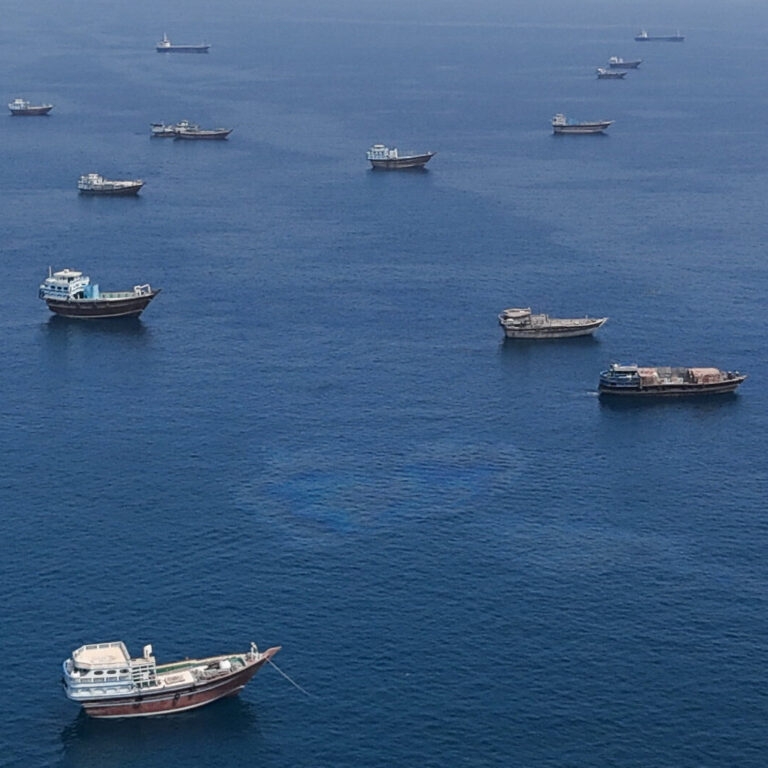
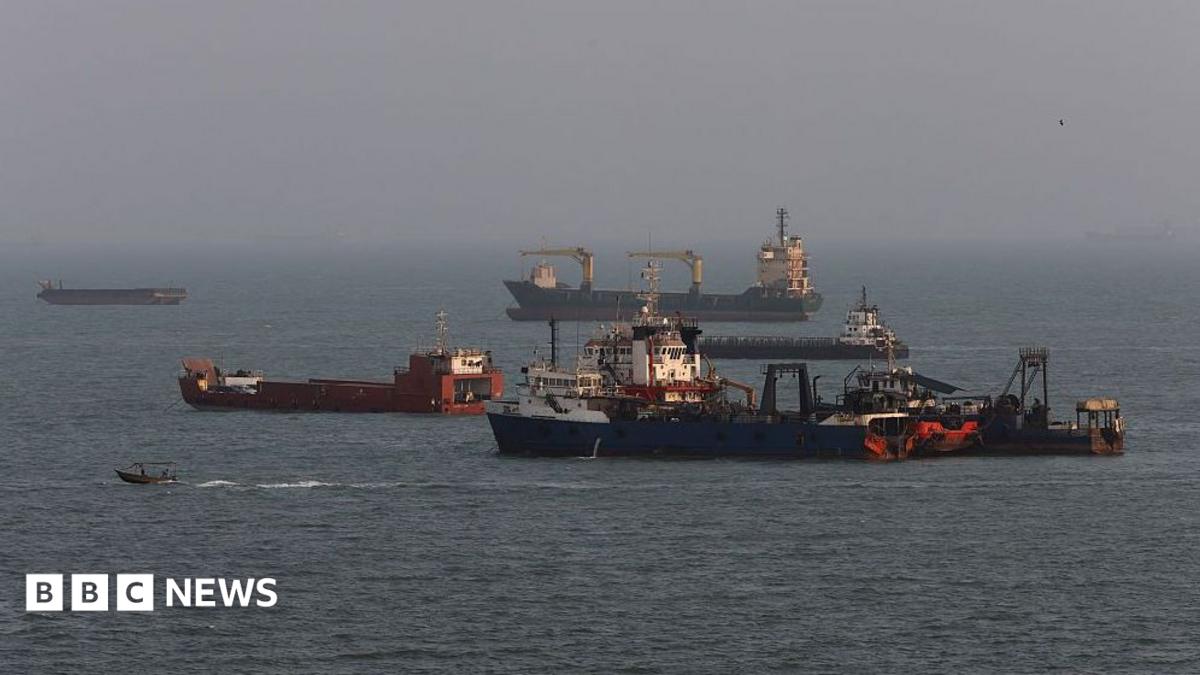
The heightened rhetoric follows a period of renewed military activity in the region. Recent confrontations have seen both sides engaging in strikes and maneuvers across vital waterways. Official statements indicate that the cycle of retaliation has resumed following the expiration of a temporary ceasefire period. This escalation has involved strikes attributed to U.S. forces against Iranian-linked maritime assets, prompting reciprocal actions from Iranian military elements against American interests in the area.
The Implications of Heightened Confrontation
The gravity of these warnings suggests that the threshold for military engagement has been lowered, and the willingness to escalate is high. For regional stability, this signals a dangerous departure from previous de-escalation efforts. The rhetoric points toward a commitment to deterring further U.S. military incursions or strikes by promising a punitive and comprehensive counter-response. This raises significant concerns among international observers regarding the potential for miscalculation or unintended wider conflict.
Context of Regional Instability
The current volatile atmosphere is set against a backdrop of protracted diplomatic difficulties. Despite numerous attempts at negotiation, a lasting political resolution between the two nations has remained elusive. The military exchanges have spanned multiple countries in the Middle East, indicating that the conflict’s scope is not confined to a single area. The pattern of strikes and counter-strikes suggests a deeply entrenched confrontation where diplomatic off-ramps appear scarce, leaving military posturing as the primary means of signaling resolve.
About the Author