Tragedy Strikes Lebanese Town After Targeted Israeli Strike Incidents
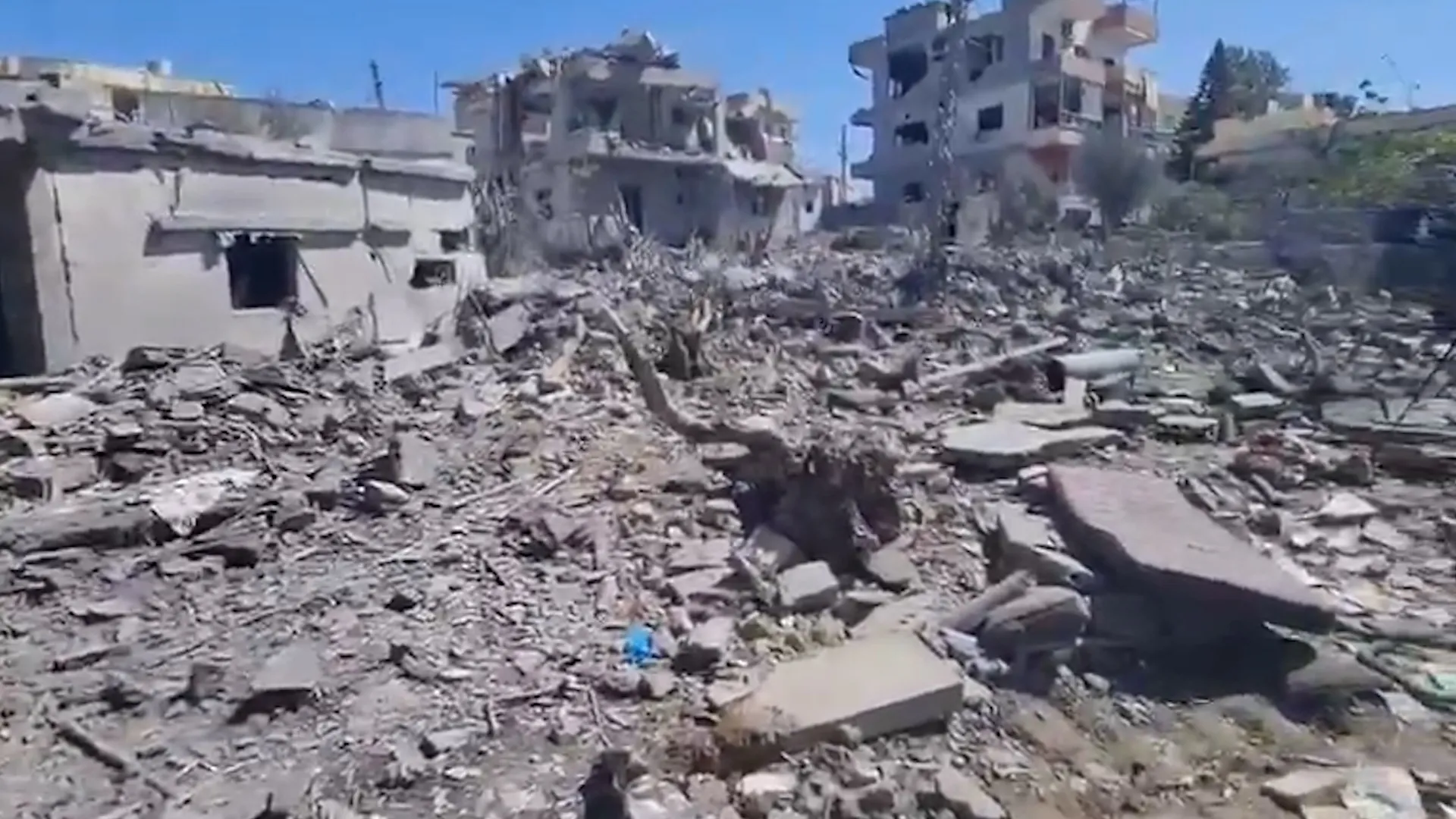
A residential area in the Lebanese town of Jebchit has been severely impacted by an aerial strike originating from Israel. Reports confirm that the incident resulted in the tragic loss of five individuals who were reportedly part of the same family unit. The devastation visible at the site suggests the force of the military action struck a civilian dwelling, leaving the structure in a state of severe disrepair.
Eyewitness accounts and visual documentation accompanying the news indicate significant damage to the neighborhood where the family resided. The focus of the distress centers on the civilian toll, as multiple members of one household perished following the Israeli air assault. This event has drawn immediate international concern regarding the protection of civilian life in conflict zones.
The Immediate Aftermath and Civilian Impact
The core issue emerging from this event is the direct impact on civilian populations. The confirmed casualty count—five members of a single family—highlights the extreme volatility of the area and the devastating consequences when civilian structures become targets or are caught in crossfire. Recovery efforts and initial damage assessments are ongoing, with local authorities attempting to manage the emotional and physical fallout of the strike.
The incident raises immediate questions regarding the rules of engagement and the safety of populated areas within the region. Humanitarian organizations are expected to scale up assistance to the affected community to address immediate needs such as shelter, medical care, and psychological support for the survivors and wider community.
Understanding the Conflict Context
The situation in Lebanon remains highly complex, situated within a broader geopolitical conflict framework. The proximity of military activity to densely populated civilian areas is a pattern that has generated considerable debate among international bodies. Analysis of such events often centers on distinguishing between legitimate military objectives and the unavoidable collateral damage inflicted upon non-combatants.
Historically, periods of heightened tension have seen Israeli forces conducting strikes across Lebanon. These operations are framed by military authorities as necessary responses to security threats. However, civilian groups and international observers frequently challenge the precision of these operations, pointing to incidents like the one in Jebchit as evidence of disproportionate force or targeting inaccuracies.
Significance for International Law and Aid
From a broader standpoint, this episode underscores the continuous challenge of adhering to international humanitarian law in an active conflict zone. The high civilian death toll forces renewed global dialogue concerning accountability. Experts stress that any analysis of such attacks must rigorously examine the evidence of necessity, proportionality, and distinction between military and civilian targets.
The humanitarian response, regardless of the political background, must prioritize swift, impartial aid delivery. The tragedy serves as a stark reminder of the vulnerability of civilian life when military operations take place near or within established residential communities.
About the Author