Community Ingenuity: Converting Aircraft to Counter Russian Drone Operations in Ukraine
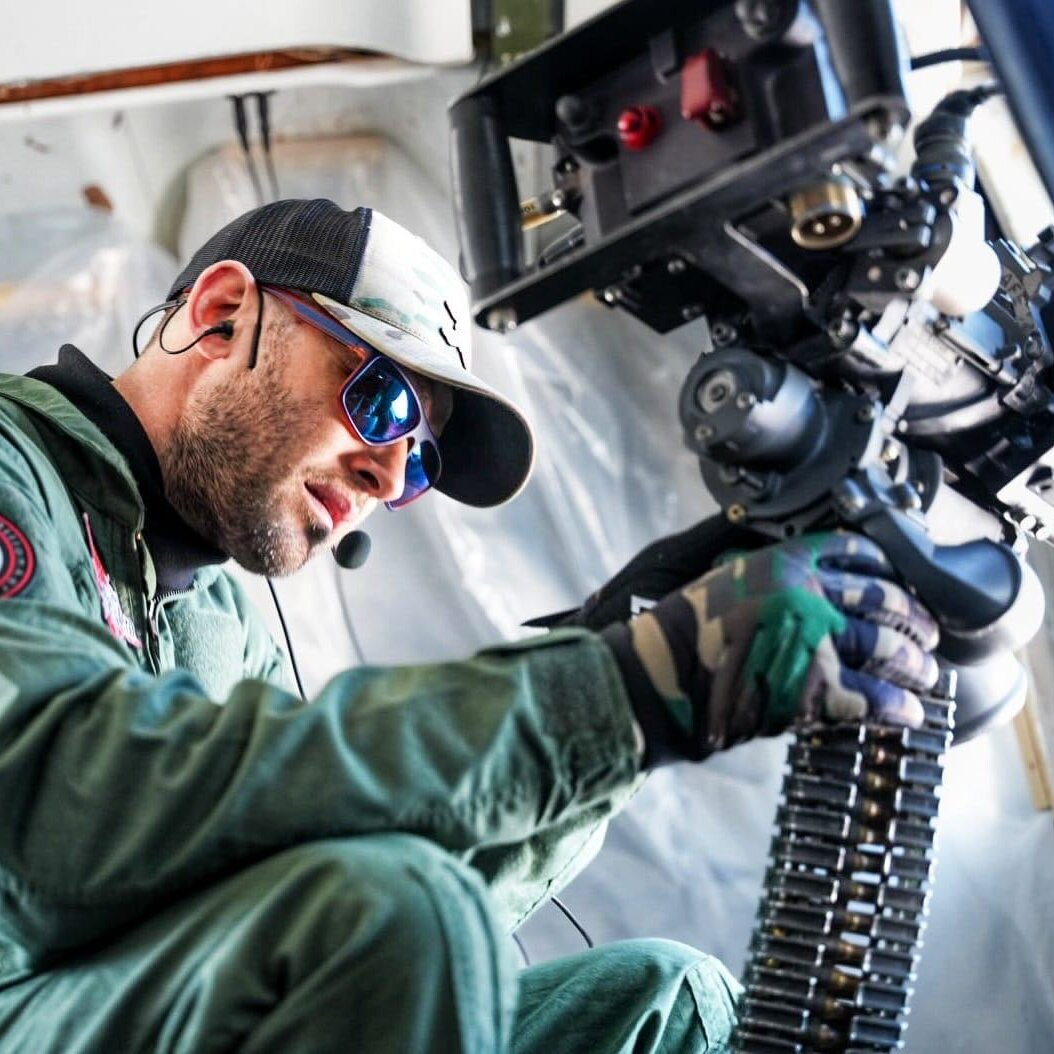
Amidst escalating air defense challenges in Ukraine, civilian groups are demonstrating remarkable resourcefulness by repurposing existing aerial assets for defensive roles. Reports indicate that certain volunteers have taken an aged skydiving plane and outfitted it for a specialized mission: intercepting and neutralizing hostile Unmanned Aerial Vehicles (UAVs) deployed by Russian forces. This grassroots initiative represents a significant pivot, moving beyond purely military hardware to incorporate civilian expertise and salvaged technology into critical national defense efforts.
The focus of these operations is directly combating the saturation attacks carried out by drones against Ukraine’s expansive air defense infrastructure. Where conventional defenses face overwhelming numbers, these community-led teams are employing customized aerial platforms. By turning once recreational aircraft into dedicated anti-drone hunters, these volunteers are creating a crucial, adaptable layer of protection across various operational zones. Their actions highlight a determined, multi-faceted approach to mitigating the aerial threat.
What This Means for Air Security
The deployment of converted, civilian aircraft to combat sophisticated drone swarms marks a tactical evolution in local air defense. It demonstrates an ability to rapidly adapt available resources—even older aircraft—to meet urgent, evolving security needs. This capacity for rapid improvisation suggests that the defense strategy is highly decentralized and community-driven. Instead of relying solely on fixed, high-tech military assets, these programs integrate local know-how with modified machinery, increasing the overall resilience of the nation’s airspace.
This adaptation serves to compensate for the sheer volume of aerial threats. By creating a mobile, aerial picket line using modified planes, the defenders can cover ground and airspace that might otherwise be considered too diffuse or too dangerous for conventional interception methods. It is a testament to human adaptability when faced with overwhelming technological adversity.
Context and Background of the Aerial Threat
The increased operational tempo of aerial attacks has placed immense strain on Ukraine’s air defense capabilities. Russian forces have extensively utilized drones of various types to overwhelm and test the effectiveness of anti-aircraft weaponry. The sheer volume and variety of these UAV incursions necessitate a defense system that is not only powerful but also flexible and scalable. Official statements concerning the conflict have often emphasized the asymmetric nature of the threat posed by these inexpensive, yet highly numerous, aerial weapons.
In response, the efforts seen with the modified skydiving aircraft gain significant context. They represent an immediate, practical bulwark against saturation attacks, showing that defense isn’t limited to military supply chains. Instead, it is being bolstered by the collective will and mechanical ingenuity of the civilian population, turning risk into a functional shield for the country.
About the Author




