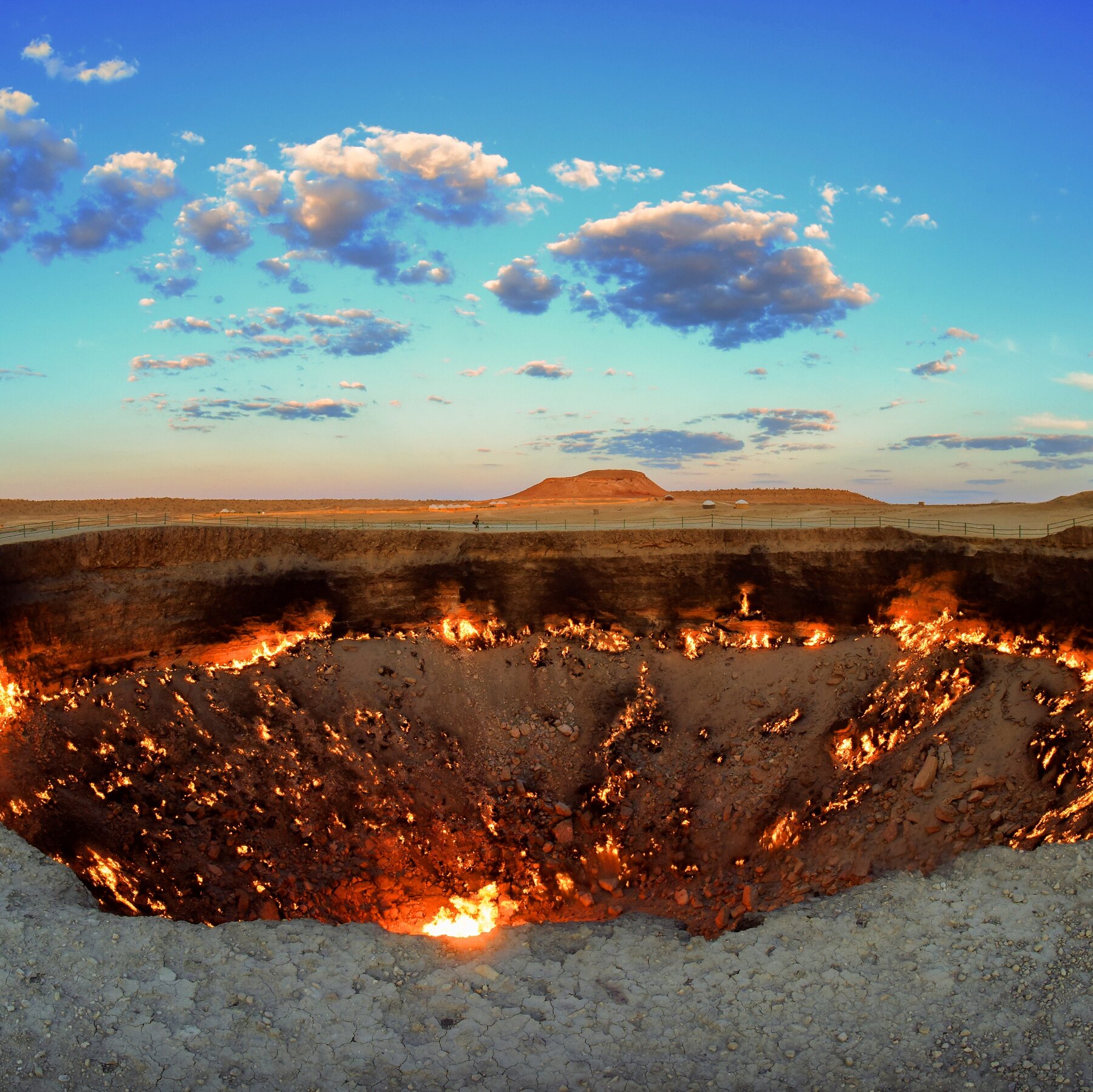
For years, a massive, visible flare of natural gas has been a constant feature of the landscape in Turkmenistan. This continuous burning of natural gas has served as a significant environmental marker for decades. Recent observations, particularly utilizing satellite technology, indicate a discernible reduction in the intensity and scale of this gas combustion. While a tapering off of such a large-scale release might initially suggest a reduction in localized pollution, the underlying environmental implications of this trend are far from straightforward and warrant significant scientific scrutiny.
The diminishing glow of what was once a persistent, fiery plume suggests potential shifts in energy infrastructure or gas management practices within the region. However, simply observing a decrease in flare activity does not automatically equate to an environmental win. The sheer volume of gas previously being wasted suggests a massive energy loss, and any change in that pattern—whether positive or negative—requires a comprehensive understanding of the underlying geological and atmospheric dynamics to accurately assess its true impact on the local ecosystem and the global climate profile.
What This Means: Reassessing Energy Waste
The gradual dimming of the gas flares points to a significant, ongoing adjustment in how hydrocarbon resources are being managed. Historically, flaring—the burning of excess natural gas—has been an industrial norm in regions with abundant gas reserves but underdeveloped pipelines. A decrease in this flaring suggests that some level of resource utilization improvement is occurring. If this reduction is linked to successful capture and transport technologies, the environmental benefit could be substantial, representing a shift toward more efficient energy extraction. Conversely, if the reduction is due to natural depletion or changes in operational procedures without a corresponding sustainable capture mechanism, the impact assessment becomes far more complex.
Background and Context: The Scale of the Issue
The scale of gas flaring in oil and gas production zones is a major global environmental concern. When vast quantities of natural gas are burned off, they release substantial amounts of greenhouse gases, contributing to climate change, even if the direct burning itself appears visible. Before considering the decrease, it is crucial to remember that these flares represent massive, sustained energy inefficiencies. From a climate perspective, any effort to curb this waste stream and transition the gas into usable energy—be it for power generation or export—remains a critical global development objective. Therefore, the observed change acts as a key data point, prompting experts to analyze whether the decrease represents a meaningful step toward decarbonization or simply a change in the visibility of previously unquantified emissions.
Ultimately, while the visual spectacle of the gas flares receding is noteworthy, experts are advised to look beyond the surface appearance. True environmental progress in this sector depends not just on what is no longer burning, but on the validated, sustainable pathway that is replacing the combustion, ensuring that natural gas resources are managed in a way that minimizes atmospheric impact while maximizing beneficial energy use.
About the Author




