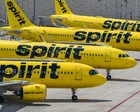
Airline Collapse Triggers Operational Chaos and Political Finger-Pointing
The sudden cessation of operations by discount carrier Spirit Airlines has thrown both travelers and industry regulators into disarray. As the low-cost carrier unexpectedly shut down its services, stranded passengers found themselves without clear direction or immediate support. This abrupt market event quickly transformed from a logistical crisis into a highly charged arena for political sparring, with opposing parties attributing the failure to different underlying economic and governmental forces.
Initial efforts to manage the fallout focused heavily on consumer protection. Transportation officials were forced to issue urgent warnings to the public, advising anyone with existing bookings to avoid airports, as necessary support structures were absent. Measures were immediately put in place to guide passengers toward options for receiving financial reimbursements or securing alternative air travel arrangements through competing carriers.
The Fallout: A Blame Game Unfolds
In the wake of the carrier’s collapse, political narratives immediately sharpened, creating distinct lines of accusation. Some Republican viewpoints directed criticism toward the current administration, suggesting that governmental actions hampered the airline’s viability. Conversely, Democratic perspectives focused their critique on broader macroeconomic pressures, particularly citing elevated fuel costs linked to international geopolitical instability, such as tensions involving Iran, as the primary destabilizing factor.
Operational Implications for the Industry
The incident serves as a stark reminder of the operational vulnerabilities inherent in the budget airline sector. When a low-overhead model fails rapidly, the ripple effects are substantial, impacting not only the stranded passengers but also the broader network of employment reliant on the carriers’ continued service. Industry experts are now examining how resilient the current travel infrastructure is to sudden, high-impact failures of major players.
Market Context and Resilience Challenges
This situation highlights ongoing tensions within the commercial aviation sector regarding economic volatility. Elevated fuel prices, exacerbated by global events, put immense strain on low-margin carriers. When coupled with regulatory or perceived governmental hurdles, the delicate financial balance of budget airlines can be overturned quickly. The event underscores the need for stronger consumer safeguards and potentially clearer market mechanisms to cushion the blow when a carrier suddenly ceases flight service.
About the Author