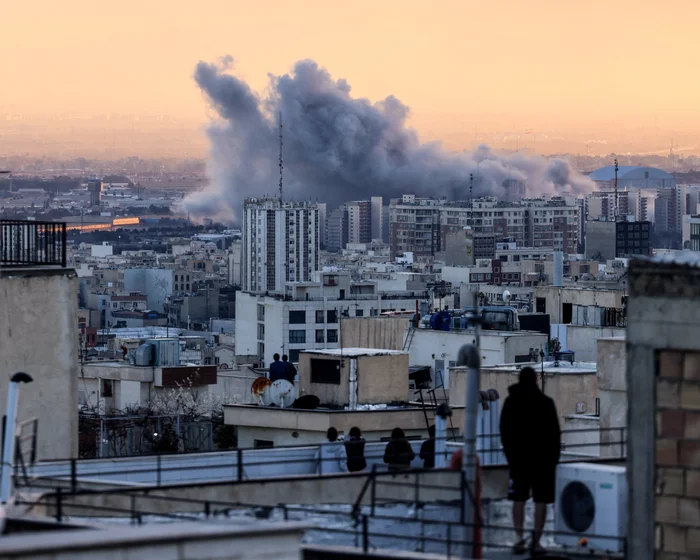
House Votes to Assert Congressional Oversight Over US Military Operations in Iran
Lawmakers in the House of Representatives demonstrated a significant assertion of congressional oversight by passing a resolution designed to curtail a president’s unilateral authority regarding military engagements in foreign nations, specifically concerning operations in Iran. The vote, which passed with a notable margin, signals a renewed legislative focus on ensuring that executive military actions are supported by explicit congressional authorization. This move aims to establish clear procedural guardrails, compelling the executive branch to secure legislative backing before deploying forces or initiating major military strategies abroad.
The legislation effectively challenges the notion that a sitting president can independently direct large-scale military responses based solely on executive prerogative. By passing this resolution, a majority of representatives signaled a desire to reinforce the constitutional separation of powers, ensuring that decisions involving the use of armed force are subject to robust debate and consent within Congress. The vote garnered bipartisan support, suggesting a broad consensus among members of Congress regarding the need for greater legislative checks on presidential war powers.
What This Means for Future Policy
The passage of this resolution fundamentally recalibrates the relationship between the executive and legislative branches concerning foreign conflict. Its primary implication is the establishment of a mandatory check on executive action. Moving forward, any significant US military deployment or escalation of conflict in a region like Iran will likely face intense scrutiny and require clear, documented approval from Congress. This legislative action suggests a collective desire among lawmakers to mitigate the risk of future disputes over executive overreach and to re-anchor the process of armed conflict within the established constitutional framework of shared power.
Historical Context of Military Powers
The debate over presidential war powers is not new, but the increasing complexity of modern global conflicts has amplified the need for clear governance structures. Historically, the authority for deploying troops has often been contentious. The consensus built around this vote reflects a growing institutional understanding that while a swift national security response may sometimes be necessary, it must be paralleled by transparent and legally robust congressional consultation. This development underscores a commitment by Congress to maintain its constitutional role as the body responsible for declaring war and authorizing the use of force, thereby insulating policy decisions from potential periods of single-person decision-making.
About the Author