Geopolitical Shifts in the Middle East: Analyzing Ceasefires and Heightened Regional Activity
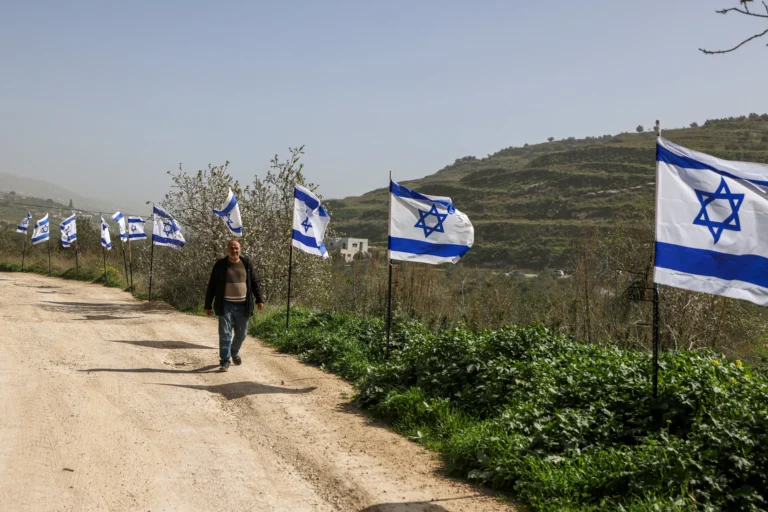
Recent developments across the Middle East indicate a complex patchwork of de-escalation efforts alongside flare-ups of regional tension. Discussions aimed at achieving localized stability appear to be yielding agreements in certain volatile corridors, notably between Israel and Lebanon. These talks have reportedly resulted in plans to establish designated security areas within Lebanon, suggesting a formalized attempt to mitigate conflict risk in a historically volatile zone.
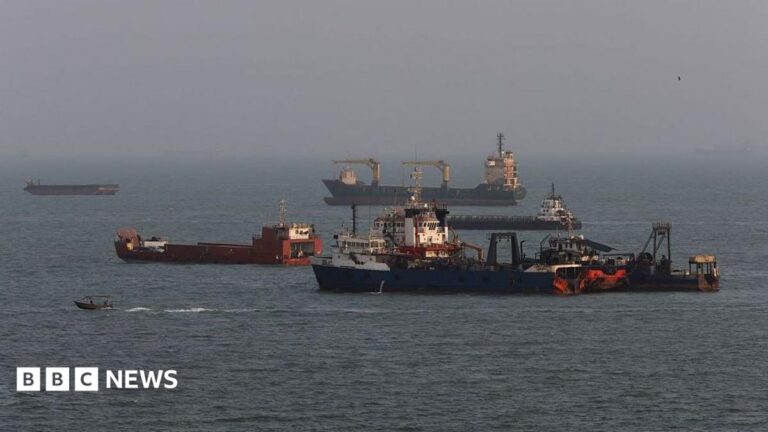
However, this localized peace-building does not equate to an absence of danger. Evidence of ongoing friction remains apparent through direct confrontations and attacks on critical infrastructure. Incidents involving the launch of aerial projectiles against commercial hubs underscore the persistent threat level. Such events prompt urgent reassessment of regional security postures and the effectiveness of diplomatic agreements.
Implications for Regional Stability
The agreements reached between key regional players signal a desire to manage escalating tensions through structured, albeit potentially fragile, diplomatic frameworks. The concept of establishing ‘pilot’ security zones suggests a move toward compartmentalizing conflict risks, aiming to prevent localized flare-ups from engulfing broader areas. Success in implementing such zones would represent a significant recalibration of local security protocols.
Conversely, the reported attacks on international facilities in neighboring countries highlight that underlying geopolitical rivalries remain active and capable of generating severe instability. These incidents force international bodies and regional powers to remain highly vigilant, as localized ceasefires do not instantly eliminate the risk posed by state-sponsored or proxy actions.
Contextualizing the Tensions
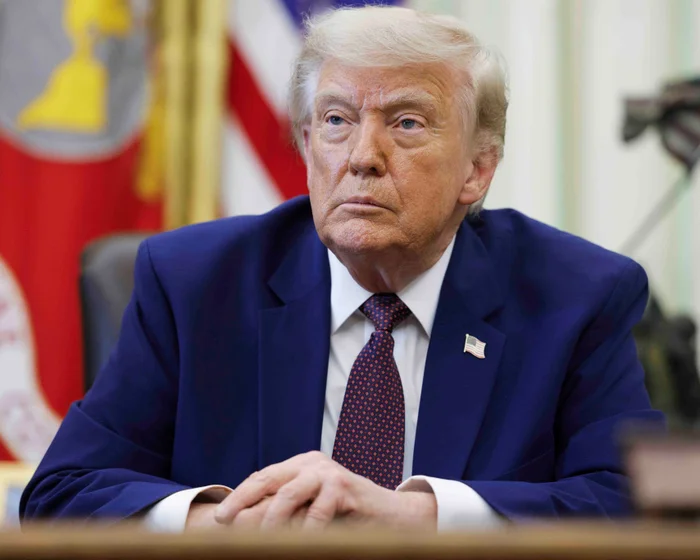
The broader pattern of events suggests a region grappling with balancing internal security needs against external geopolitical pressures. International responses to such escalating confrontations—including diplomatic discussions involving major global powers—reflect the deep entanglement of local conflicts with broader international interests. The cycle of negotiations, followed by sudden bursts of violence, defines the current operational environment for security analysts and international mediators.
These contrasting signals—the negotiated truces on one hand, and the missile strikes on another—paint a picture of a region attempting to build durable peace structures while simultaneously facing credible threats from armed actors. Sustaining stability will require more than just bilateral agreements; it demands robust adherence to international norms and a commitment to resolving the core political drivers of the conflict across multiple fronts.
About the Author