Cuba Reviews Potential U.S. Aid Package Amid Energy Crisis
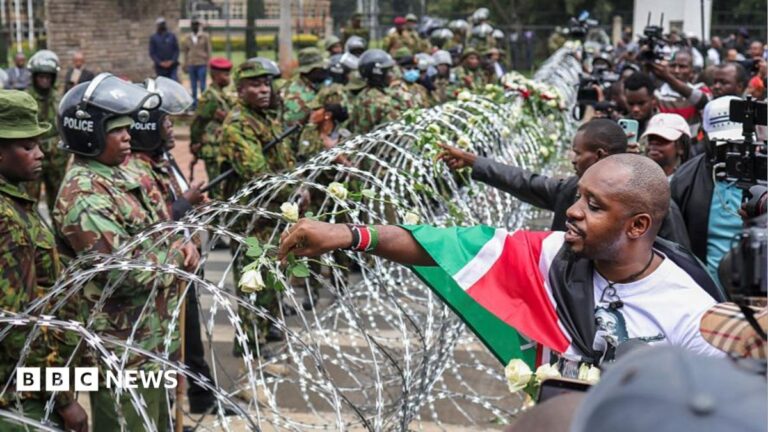
The Cuban government has indicated an openness to reviewing a potential $100 million aid proposal originating from the United States. This statement comes as the island nation grapples with increasingly severe disruptions to its electrical grid and general infrastructure. High-profile demonstrations have recently surfaced amid the escalating scarcity of essential services, pointing to significant strains on the national resources.
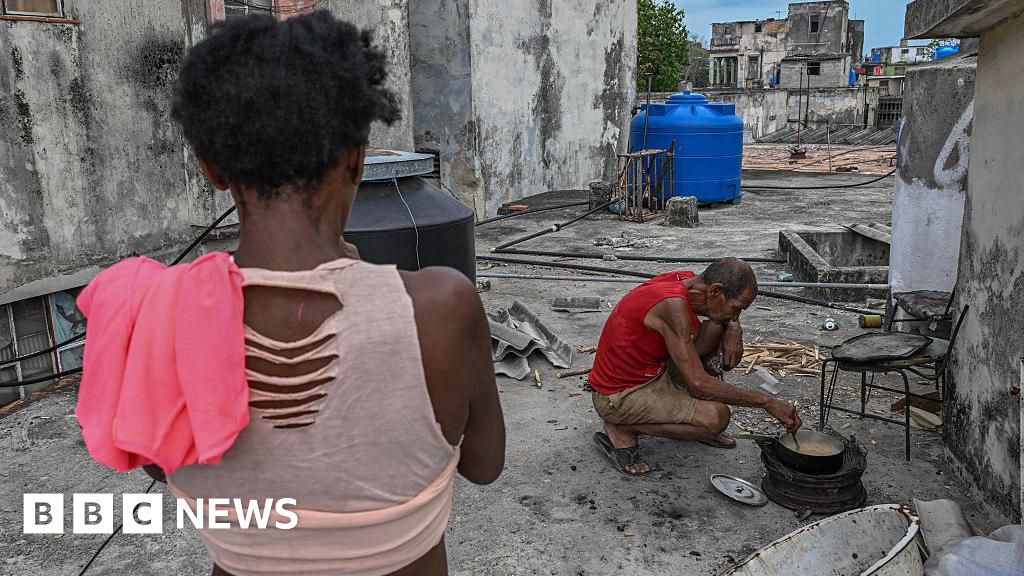
The current difficulties are significantly compounded by restrictions on oil supplies, measures that have severely limited access to vital resources like diesel and fuel oil. The impact has been wide-ranging, forcing closures at educational institutions and government facilities, and compromising the normal operations of healthcare facilities. Furthermore, the vital tourism sector, a key pillar of Cuba’s economy, has seen its activity curtailed.
This latest development follows a period of mounting international pressure and dwindling regional support. Previously, Cuba had maintained key energy relationships with nations such as Venezuela and Mexico. However, these supply lines have been substantially curtailed following recent diplomatic actions related to potential trade tariffs, drastically altering the island’s energy stability.
What This Means: A Test of International Support
The US state department has reiterated a substantial offer of aid, specifically emphasizing that any assistance would need to bypass direct government channels. The proposal dictates that aid must be administered through established independent humanitarian groups, including religious organizations. This structure suggests an intent to provide assistance directly to the civilian population, potentially sidestepping established state management structures.
The situation presents a critical juncture for Cuba, where the immediate need for resources clashes with the political conditions stipulated by potential benefactors. By confirming its willingness to review the offer, Havana signals a pragmatic assessment of international aid channels. However, the government has simultaneously directed focus toward the need for broader policy adjustments, suggesting that addressing the underlying economic and trade restrictions is paramount for any sustainable recovery.
Context: Shifting Energy Dependencies
Historically, Cuba relied on established partnerships for its energy needs, which provided crucial inputs for its refining capacity. The recent tightening of these international supply avenues has left the country with severely limited energy reserves. The debate now centers not only on humanitarian handouts but also on the structural impediments to trade. Official statements indicate that the government views the greatest source of strain as the blockade measures, arguing that normalizing energy, commercial, and financial exchanges would be the most effective form of assistance.
About the Author