Mega-Saurian Insights: New Giant Dinosaur Unveiled from Ancient Thai Deposits
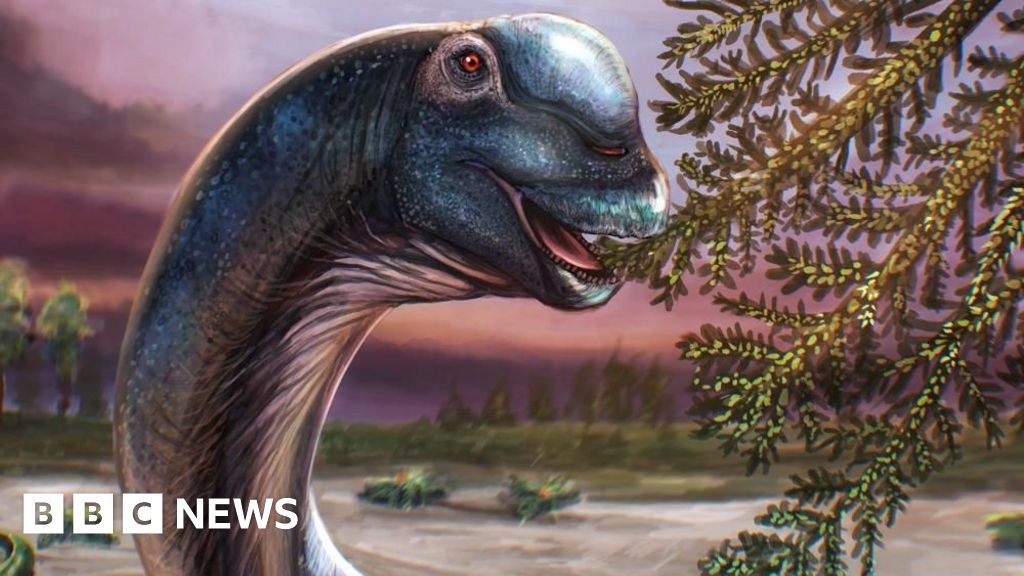
Scientists have announced the identification of a massive, previously unknown species of long-necked dinosaur derived from fossil remains recovered in Thailand. This new creature, designated Nagatitan chaiyaphumensis, is noteworthy for being the most colossal sauropod ever documented in Southeast Asia. Estimates suggest the dinosaur reached impressive proportions, weighing an estimated 27 metric tons—equivalent to the mass of several adult Asian elephants—and extending nearly 88 feet in length, surpassing the size of the Diplodocus.
The discovery provides substantial new data regarding the evolution of giant herbivores and how significant shifts in ancient global climates facilitated the emergence of such enormous life forms. Researchers from international institutions collaborated on the excavation, finding the specimens near a pond in northeastern Thailand. This site has yielded remarkable insights into the Late Jurassic period, giving scholars a clearer picture of regional paleobiological diversity.
Understanding the Apex of Ancient Fauna
The sheer scale of Nagatitan places it in a comparable niche to the T. rex, yet it represents a fundamentally different lineage of sauropods. The fossils date back between 100 and 120 million years ago, a period significantly preceding the rise of the famed T. rex. Furthermore, the environment at the time indicated rising atmospheric carbon dioxide levels alongside high global temperatures, suggesting the dinosaur thrived during a period of major planetary climatic flux.
Significance of the Thai Fossil Record
The context of the find is critical to paleontologists studying Asian megafauna. The fossils were extracted from a relatively young rock formation in the region. Experts suggest that finding such remains in these later geological layers is rare, implying that this location might yield evidence of some of the most recent large sauropods encountered in Southeast Asia, before the area possibly became covered by shallow seas.
A Window into Paleo-Ecology
The existence of this mega-herbivore paints a detailed picture of the ancient Thai ecosystem. The discovery underscores the vast and underexplored biodiversity present in the region, suggesting that the country may host one of the most rich repositories of dinosaur fossils in Asia. The research thus contributes significantly to the global understanding of sauropod evolution and regional paleo-ecology, confirming the area’s status as a paleontological hotspot.
About the Author