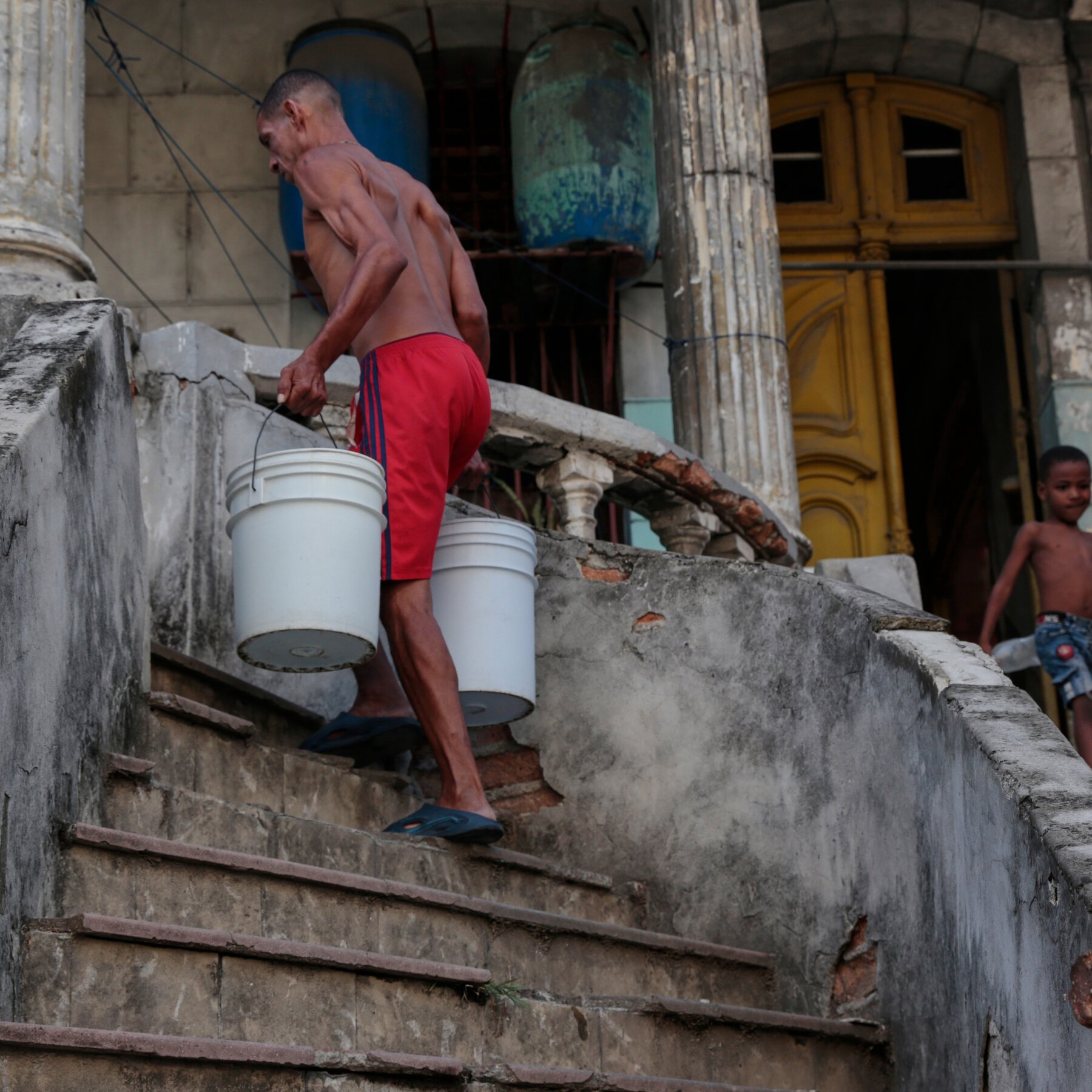
Shifting Straits: Uncertainty Looms Over Cuba’s Critical Fuel Supplies
The anticipated arrival of vital fuel supplies to Cuba appears jeopardized following reports that a Russian-flagged tanker, previously expected to service the island, altered its course. This unexpected change in trajectory introduces a significant degree of uncertainty into Cuba’s already delicate energy logistics. For Havana, which operates under the persistent constraint of U.S. embargo measures limiting access to foreign energy resources, any disruption to scheduled shipments poses an immediate and substantial threat to daily operations and economic stability.
The movement of foreign fuel tankers to the island has become a matter of heightened strategic importance. These shipments are crucial lifelines, intended to keep the nation’s transportation, power generation, and industrial sectors functioning. The deviation of this particular vessel suggests that the established patterns of international aid and resource transfer are subject to volatile circumstances, compelling regional observers to closely monitor alternative shipping lanes and potential contingencies.
What This Means: The Implications of Supply Delays
The primary consequence of a disrupted fuel shipment is the potential for cascading operational slowdowns across the Cuban economy. Fuel shortages directly impact public transportation, which in turn affects labor mobility and the distribution of essential goods. Beyond daily life, key industries—including manufacturing, healthcare services, and agricultural support systems—rely heavily on a consistent energy input. A lull in supply could force immediate conservation measures, leading to reduced industrial output and increased pressure on already strained national reserves.
Furthermore, this incident underscores the precarious nature of Cuba’s energy independence when subjected to external trade restrictions. The reliance on specific international routes and partners means that geopolitical shifts or logistical adjustments by any single vessel can rapidly destabilize the national supply chain. Experts suggest that Cuba must maintain robust contingency planning to mitigate the risks associated with unpredictable maritime movements.
Background Context: Navigating Energy Constraints
For years, Cuba’s energy procurement has been characterized by navigating complex international trade relationships amid sanctions. Historically, the nation has sought to diversify its energy sources and establish reliable maritime corridors to bypass restrictions. The routine expectation of such shipments provides a measure of short-term predictability, allowing the government to manage resource distribution proactively. When these predictable flows falter, the entire logistical structure faces renewed challenges in sourcing and maintaining the necessary fuel inventories.
The situation highlights a long-standing dependency on external sources for maintaining essential infrastructure. Because the energy sector forms the backbone of civil and economic activity, any pause in the expected arrival of tanker cargo necessitates rapid reassessment by national authorities regarding rationing, consumption quotas, and potential emergency sourcing strategies to ensure critical services do not falter.
About the Author




