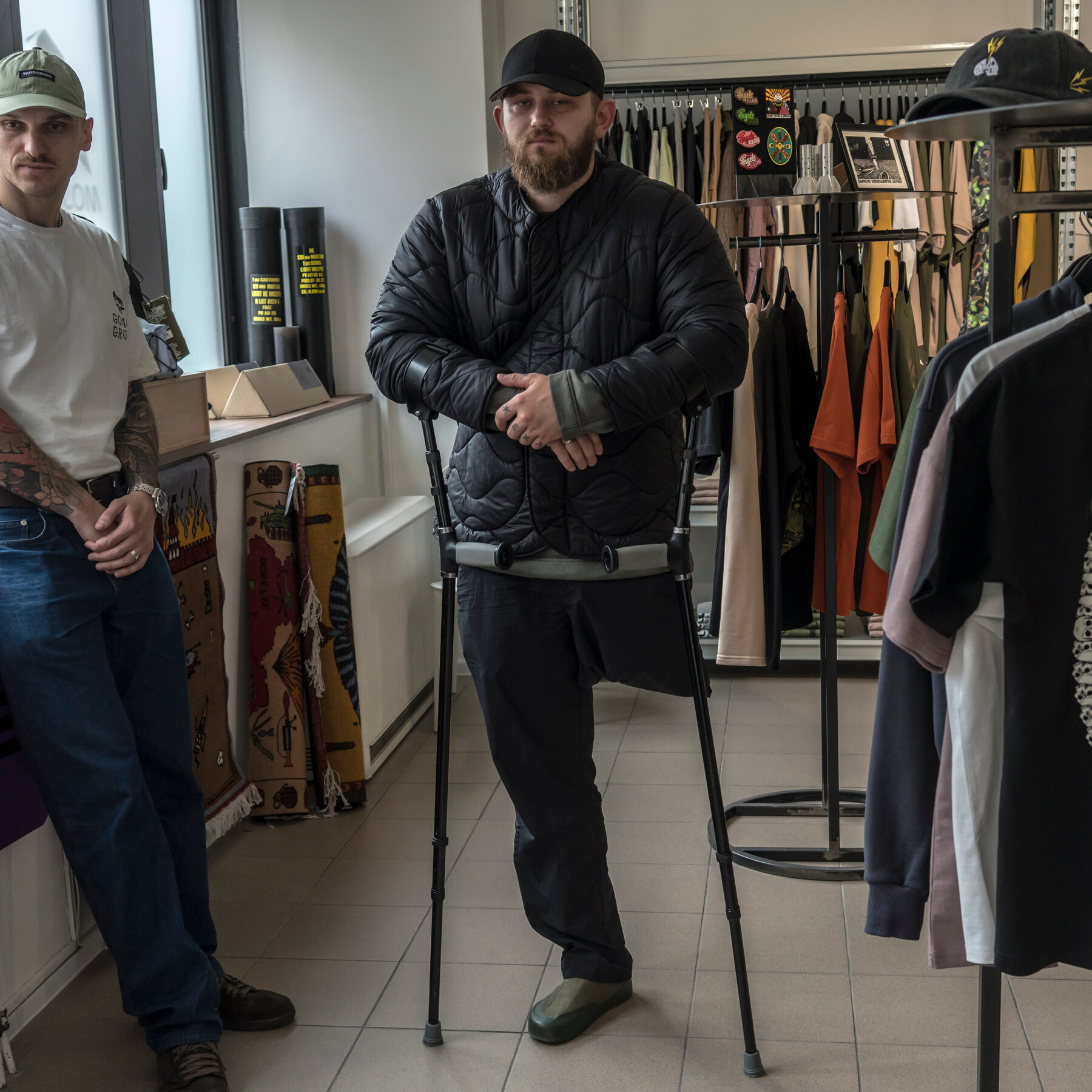
Fashion as Resilience: How Conflict Shapes Ukrainian Style and Identity
In times of profound national crisis, clothing and personal style often become more than mere aesthetics; they transform into powerful statements of identity, solidarity, and endurance. In Ukraine, the pervasive influence of the ongoing conflict has resulted in a visible and deeply integrated melding of military aesthetics into everyday fashion across major urban centers, most notably in Kyiv. What began as a practical adoption of necessary gear has evolved into a sophisticated cultural signal, seen both on the streets and in the realm of high fashion.
This incorporation of military elements into civilian wardrobes transcends simple mimicry. For many Ukrainians, adopting these styles is a conscious, collective act. It serves as a visible demonstration of unwavering support for the armed forces and a commitment to national defense. Far from being a passing trend, this integration into the visual culture represents a sustained, communal expression of shared purpose and resilience in the face of adversity. The clothing itself acts as a form of non-verbal storytelling about the current state of the nation.
What This Means: Style as Political and Social Fabric
The transformation of fashion into a vector for political sentiment demonstrates how deeply woven the concept of patriotism is into the Ukrainian social fabric. When military motifs—such as specific color palettes, utility-focused garments, or equipment silhouettes—are adopted by civilians, it signals an alignment with the nation’s defense efforts. This sartorial unity creates a powerful visual narrative, suggesting that the fight for the nation is embraced by all segments of society, integrating civilian life with the reality of military service. It solidifies a collective identity rooted in defense.
Background and Context: A Visual Manifestation of Support
Historically, national dress and fashion have always reflected times of stability, celebration, or economic periods. However, the ongoing conflict has fundamentally shifted this dynamic. The visibility of military gear among the general populace reflects a deep integration of the armed forces’ presence into daily life. According to reports, this phenomenon has spurred creative interpretations across the design landscape, pushing local designers to incorporate durable, functional, and symbolically charged materials and patterns into commercially viable pieces. The resulting fashion dialogue is thus a unique blend of urgent necessity meeting creative adaptation.
The adoption of these styles by both service members and civilians alike confirms that the gesture is interpreted as deeply sincere. It is framed by many observers not as a superficial fashion whim, but rather as an ingrained, voluntary participation in the national mission. This unique confluence of utility, culture, and crisis has created a defining chapter in contemporary Ukrainian fashion, making the street itself a gallery of national spirit.
About the Author




