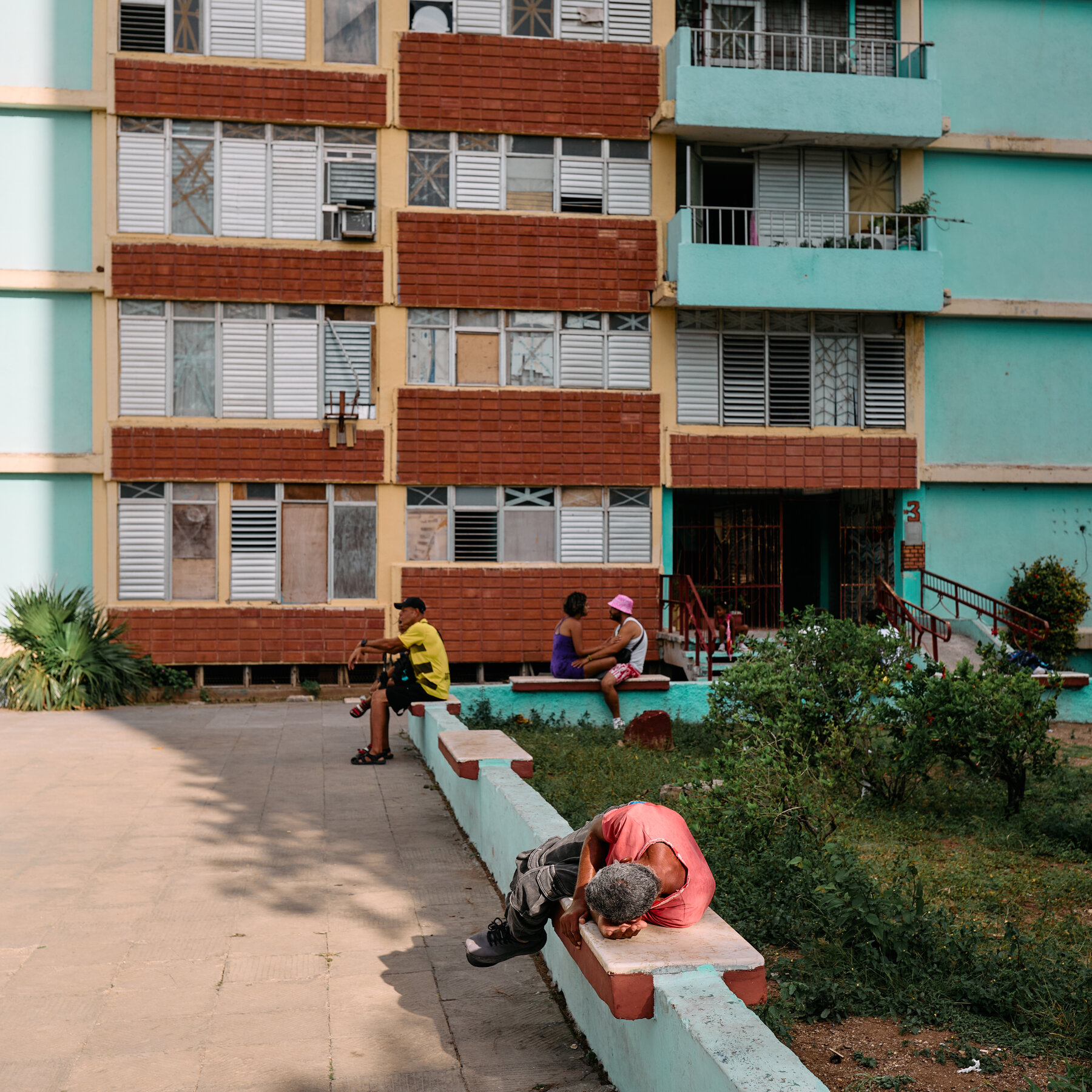
Resourcefulness Takes Center Stage: Cubans Turn to Traditional Fuels as Modern Energy Supplies Diminish
Across various Cuban communities, daily routines are undergoing significant adjustments due to persistent energy supply challenges. What was once a stable reliance on modern gas infrastructure is giving way to time-tested, traditional methods of cooking. Residents in areas such as Santiago de Cuba—a city historically central to the nation’s identity—are increasingly turning to biomass and charcoal as primary cooking sources for their homes.
This shift highlights a deep reliance on local, combustible materials. Instead of readily available piped gas, cooking fires are being rekindled using firewood and charcoal. This necessity underscores a broader systemic challenge: the strain on modern utility services across the island. Families and communities are demonstrating remarkable ingenuity by adapting established, less industrialized methods to maintain essential comforts and nutritional standards in their domestic kitchens.
The Ripple Effect of Energy Scarcity
The diminished availability of refined fuels and cooking gases has a profound impact that extends beyond the kitchen stove. It creates a cascading effect across various sectors of daily life, forcing residents to become masters of immediate resource management. The need to secure and process fuel—whether it be chopping wood or sourcing charcoal—becomes a significant part of the household chore cycle. This adaptation requires community organization and a collective effort to sustain basic domestic functionality.
Understanding the Constraints
The difficulties encountered with fuel supplies are linked to broader economic and logistical issues affecting the island’s resource network. When established supply chains for modern utilities falter or are restricted, the fundamental rhythm of domestic life slows. What is evident is a societal return to self-sufficiency in critical areas. The utilization of charcoal and wood fire is not merely a temporary inconvenience; it represents a substantial overhaul of established domestic infrastructure and habits.
The Significance of Community Resilience
The ability of Cuban citizens to maintain consistent food preparation using these traditional methods speaks volumes about the enduring resilience of the population. It showcases a deep, ingrained knowledge of survival and resourcefulness, echoing historical periods where self-reliance was paramount. This current situation is prompting an observable renaissance in traditional cooking techniques and the appreciation for local, renewable fuels. The challenge, therefore, becomes one of maintaining this adaptability while navigating the complexities of modern living in the face of sustained energy volatility.
About the Author




