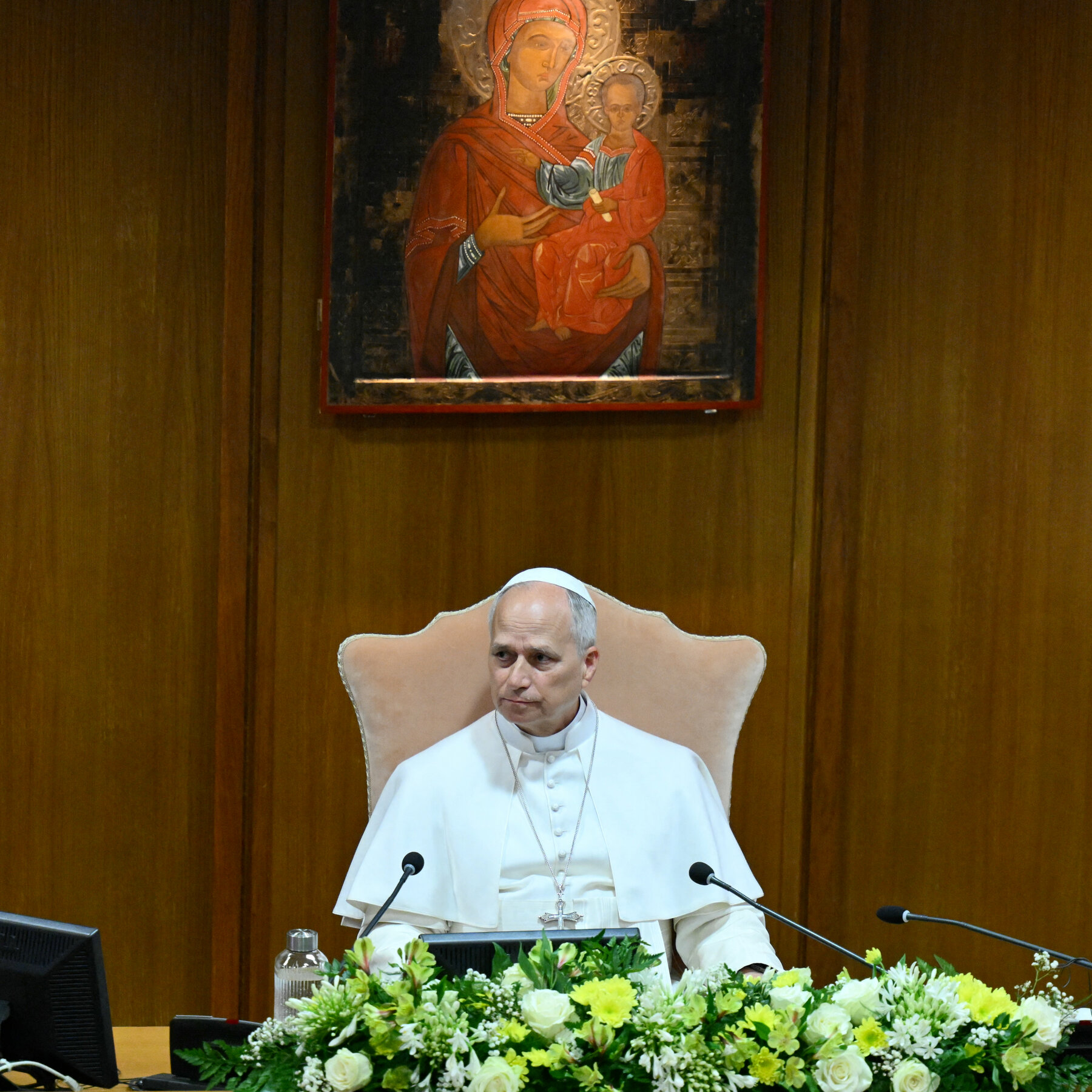
Papal Guidance Addresses Ethical Pitfalls and Moral Imperatives of Artificial Intelligence
The leadership of the Roman Catholic Church has issued a comprehensive, detailed encyclical that tackles the burgeoning, complex domain of artificial intelligence. This major document represents a significant intervention into the global discourse surrounding AI, moving beyond simple technological acknowledgments to address profound moral and ethical dimensions. Rather than treating AI as a purely technical advancement, the papal address frames it as a subject requiring deep theological and humanistic consideration, urging both adoption and caution in its development and deployment.
The extensive text delves into how sophisticated machine learning and autonomous systems impact core aspects of human existence—including truth, labor, and personal dignity. It adopts a scholarly and pastoral tone, warning that while AI holds unprecedented potential for solving humanity’s most pressing global challenges, its inherent risks are equally profound. The encyclical suggests that human understanding and moral governance must advance at a pace commensurate with the technology itself.
The Ethical Core: Guarding Human Dignity
A central theme of the papal warning is the necessity of preserving intrinsic human dignity amidst algorithmic efficiency. The guidance cautions against any application of AI that risks dehumanizing interactions or automating away essential human judgment. The document strongly emphasizes that technology must serve human flourishing, rather than dictating the terms of it. This necessitates a renewed focus on the inherent value of every individual life, a principle that must guide all technological implementation.
Societal Impact and Responsibility
The encyclical addresses the ripple effects of AI across various societal sectors. From the sphere of truth and information integrity to the nature of work, the text highlights potential pitfalls such as the creation of echo chambers, algorithmic bias, and the devaluation of skilled human labor. It calls for international cooperation and the establishment of robust ethical guardrails before these technologies become fully entrenched in daily life. The responsibility, therefore, is portrayed as being shared among developers, policymakers, and end-users alike.
Context and Future Direction
The weight of this papal counsel is underscored by its sheer depth, indicating a long-term commitment by the Vatican to guiding civil society through technological disruption. By framing AI within a moral theology, the document implicitly challenges the notion of technological determinism—the idea that technology inevitably dictates social structure. Instead, it repositions human agency and moral will as the ultimate necessary components for navigating the future. The underlying message is clear: humanity must remain the conscious steward of its own technological trajectory.
About the Author




