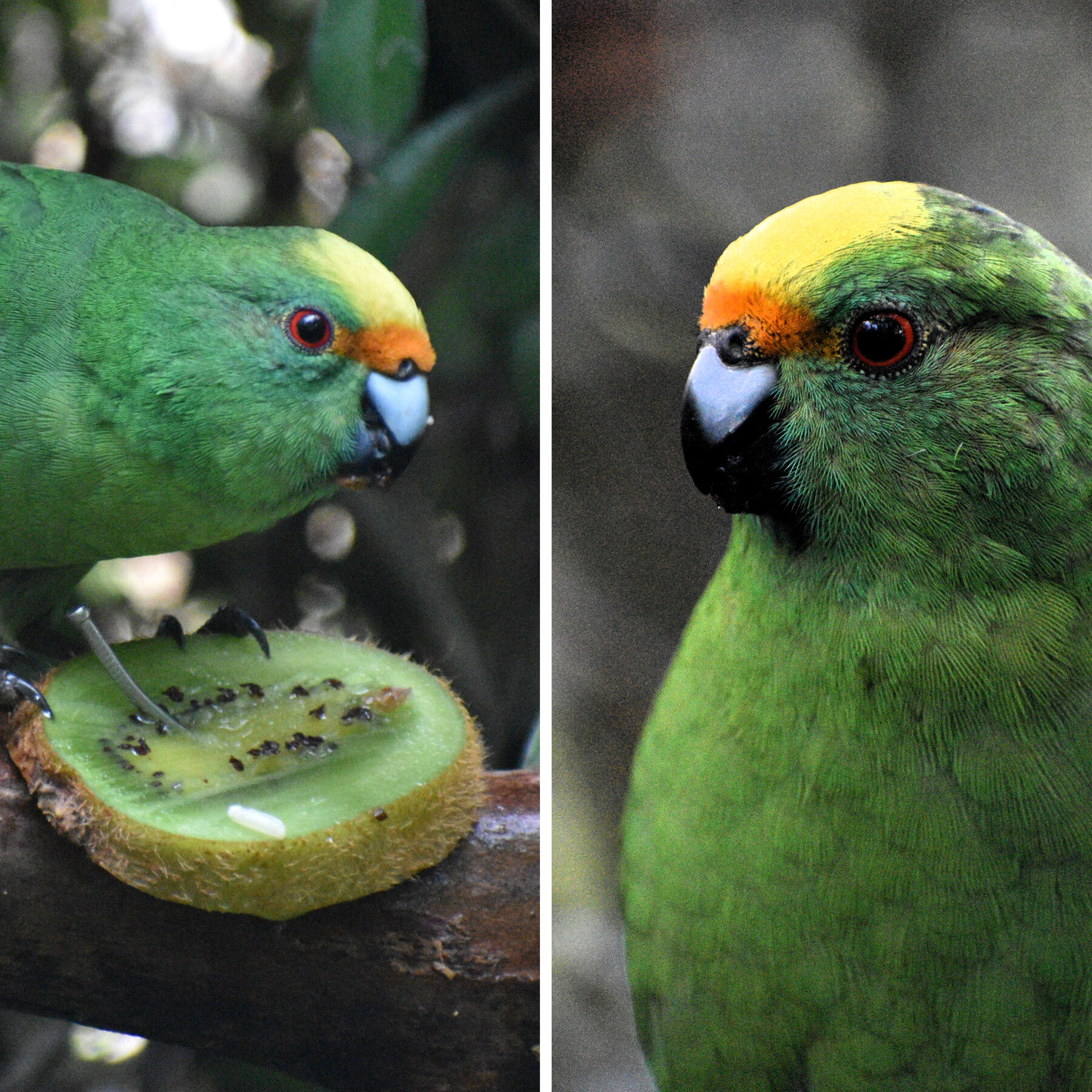
Dedicated Breeding Effort Boosts Hope for Critically Low Parakeet Population
The survival of the orange-fronted parakeet faces a significant challenge, with current wild numbers estimated to be perilously low. Conservation efforts are currently pivoting around intensive captive breeding programs aimed at stabilizing the species’ numbers. At the heart of these recovery efforts are a specific pair of birds whose breeding success is proving instrumental in the long-term viability of the population.
These remarkable breeding individuals are generating vital numbers, serving as a crucial lifeline for the species. Their reproductive output is not merely anecdotal; it represents a measurable effort to reverse the decline. The focus on controlled breeding settings allows experts to manage genetics and ensure a sustainable pipeline of future generations, a necessary step when natural populations are struggling to keep pace with environmental pressures or mortality rates.
What This Means for Conservation
The intensive focus on a few successful breeding pairs highlights the delicate nature of endangered avian populations. When natural reproductive rates fall below replacement levels, human intervention, particularly expert-managed breeding, becomes a primary pillar of species survival plans. The success observed with this pair provides a model for other critically depleted bird species, demonstrating that focused, dedicated husbandry can make a palpable difference in the conservation outcome.
This necessity for intensive management underscores the complex intersection of habitat loss, natural pressures, and human intervention in modern conservation biology. While captive breeding is a temporary measure—the ultimate goal always being successful reintroduction to the wild—it provides the vital breathing room needed for policymakers and ecologists to address the root causes of the decline in the wild habitat.
The Context of Decline
The current low count for the orange-fronted parakeet reflects a challenging ecological period for many small, specialized bird species. Fluctuations in food sources, increased competition, and perhaps localized threats have converged to place the species in an extremely vulnerable state. Conservation initiatives, therefore, must adopt multi-faceted strategies. These strategies encompass everything from habitat restoration across their native range to the hands-on care of key breeding units like the pair at the center of the current program.
The work being done with these specific breeders is noteworthy because it combines biological knowledge with intensive commitment. It is a testament to what dedicated care, combined with scientific management, can achieve when the natural cycle falters. The sustained effort to increase the population size signals a cautiously optimistic outlook, provided that habitat security and threat mitigation remain concurrent priorities for the future.
About the Author




