Assessing the Dynamics of the Ebola Outbreak in the Democratic Republic of Congo
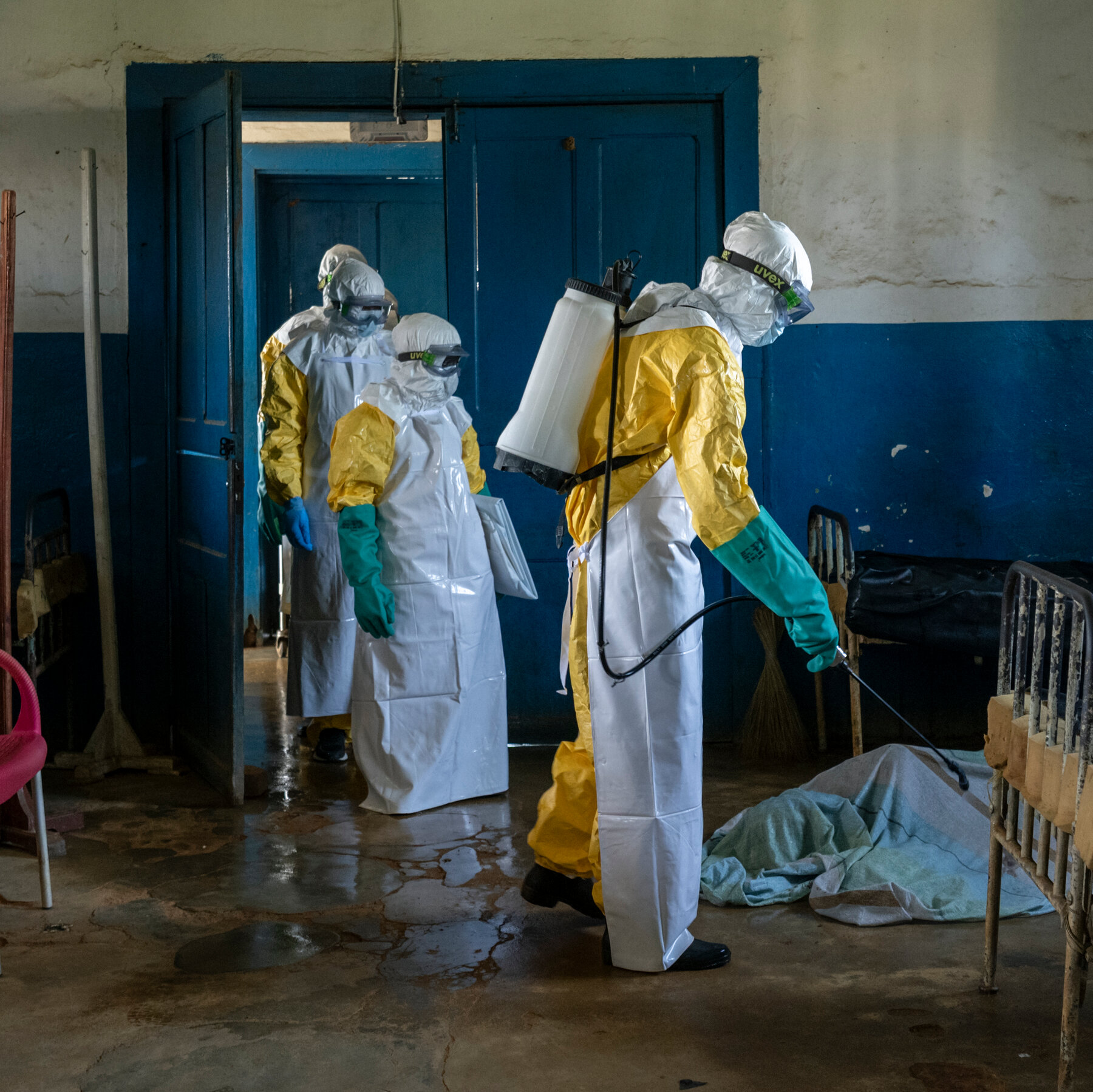
Recent reporting from the epicenter of an Ebola outbreak in the Democratic Republic of Congo provides a stark look into the complex realities on the ground. The situation remains highly active, demanding sustained and intensive global health attention. Field correspondents are documenting the daily efforts of medical teams working within a volatile operational zone, grappling with the logistical, epidemiological, and humanitarian challenges inherent to managing a high-consequence pathogen outbreak.
The narrative emerging from the field suggests a multifaceted crisis that extends beyond immediate case management. It involves intricate community engagement, robust surveillance efforts, and the constant adaptation of medical protocols in response to the pathogen’s unique transmission dynamics. The commitment of medical professionals and aid workers remains a central focus, highlighting their persistent efforts against a formidable biological threat while navigating challenging local conditions.
What This Means: The Ongoing Public Health Imperative
The ongoing situation underscores the critical necessity of integrated public health responses in regions prone to epidemic outbreaks. The management of Ebola, in particular, demands a hyper-vigilant, multi-layered strategy. Success hinges not only on advanced medical countermeasures—such as vaccines and therapeutics—but equally on bolstering foundational public health infrastructure at the community level. When a pathogen emerges in such a setting, the immediate challenge is to contain transmission while maintaining the trust and cooperation of the local population.
Furthermore, the continuous nature of these alerts signals that preparedness cannot be considered a sporadic exercise. It requires building resilient health systems capable of rapid scaling, which includes maintaining trained emergency personnel, establishing reliable supply chains for protective equipment, and implementing dynamic border health measures.
Background and Context: Complexity in Conflict Zones
When analyzing outbreaks in this region, it is crucial to situate the medical emergency within its broader socioeconomic and security context. Outbreaks rarely occur in a vacuum; they are frequently amplified by underlying vulnerabilities such as inadequate sanitation, malnutrition, and, at times, localized instability. These conditions create fertile ground for pathogens to spread and complicate response efforts dramatically.
Historically, managing such outbreaks has taught global health bodies valuable, albeit hard-won, lessons. The response structure must therefore be adaptive, capable of evolving from initial containment measures to comprehensive long-term public health system strengthening. Official statements and reports from the field continually emphasize that while breakthroughs in medical science are vital, the most durable solution involves empowering local healthcare workers and ensuring that health messaging reaches every segment of the community with consistent clarity and sensitivity.
The diligence shown by those working in the epicenter serves as a persistent reminder that controlling hemorrhagic fever outbreaks requires unwavering commitment, rigorous scientific application, and deep collaboration with the populations affected. It is a sustained effort encompassing medical intervention, epidemiological tracking, and profound humanitarian care.
About the Author