Diplomatic Efforts Amid Instability: Analyzing the Path to De-escalation in Lebanon
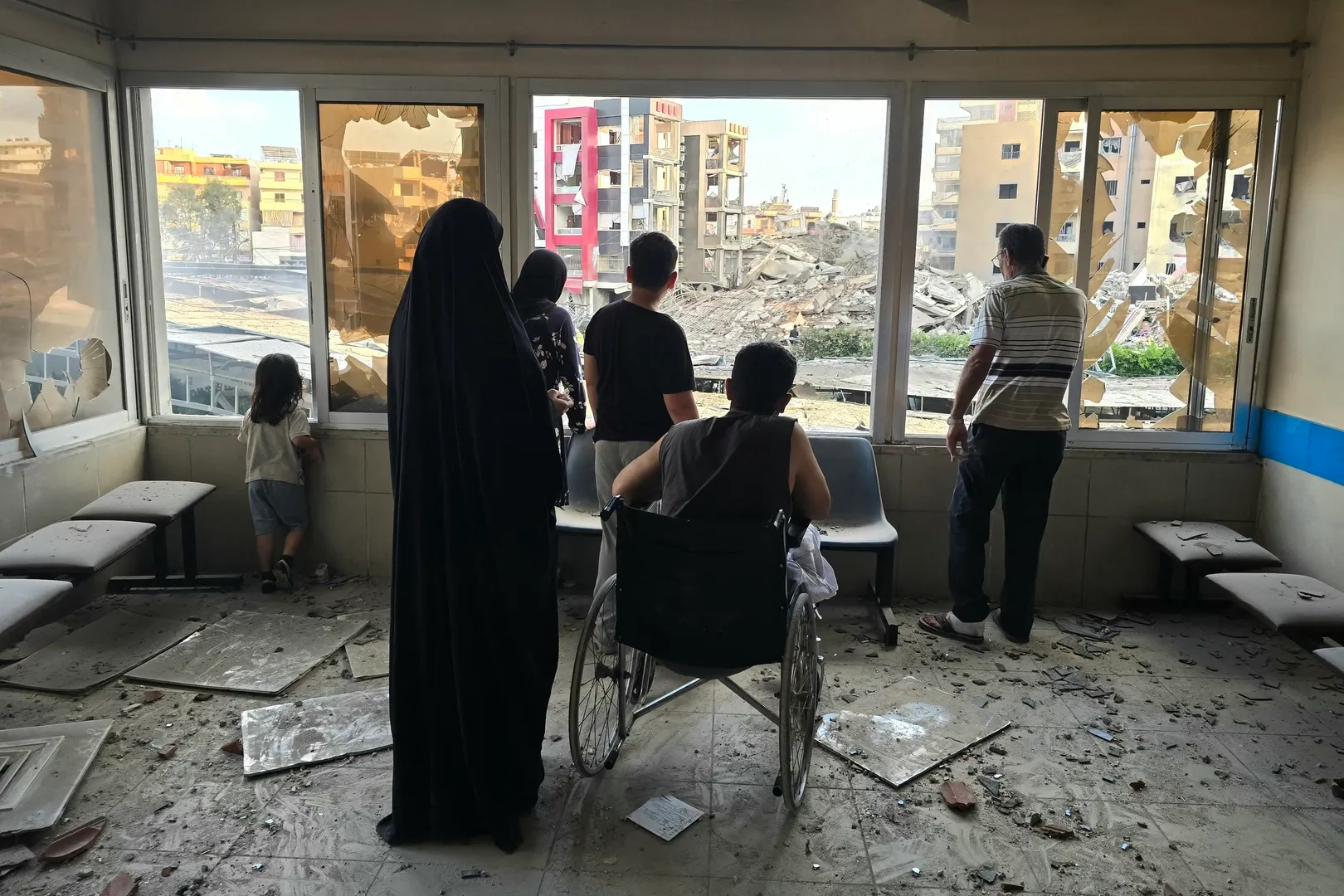
Recent diplomatic maneuvers have placed intense focus on efforts to curb escalating tensions within Lebanon. High-level international figures have publicly suggested that significant headway toward a cessation of hostilities has been achieved. These assurances follow high-level discussions involving key regional and national actors, aiming to create a stable corridor away from conflict in the capital region.
However, despite public assertions of a breakthrough, the ground reality remains one of significant fragility. The path toward lasting calm appears deeply complex, as the viability of any ceasefire hinges on multiple, often conflicting, conditions. Official statements indicate that while diplomatic channels are actively engaged, the agreement’s implementation is viewed by some parties as being subject to specific, unfulfilled prerequisites, keeping the overall situation highly volatile.
The regional dynamics contributing to Lebanon’s precarious situation are multifaceted. Tensions are not confined to localized skirmishes but are woven into a larger tapestry of geopolitical rivalry and internal political discord. Consequently, any diplomatic resolution must address not only the immediate cessation of fighting but also the underlying structural and political fault lines that constantly threaten to reignite conflict.
What This Means: The Conditional Nature of Peace
The emphasis on conditional agreements suggests that international mediators and regional powers are adopting a cautious approach. The current narrative suggests that a ceasefire, if established, will not be a universal pacification but rather a carefully calibrated pause. This implies that the permanence of the peace remains tethered to the compliance of all major stakeholders involved in the broader Lebanese landscape. For observers, this means monitoring the adherence to specific diplomatic milestones will be more critical than celebrating initial talks.
The primary challenge highlighted by multiple reports is the gulf between optimistic public announcements and the on-the-ground prerequisites demanded by key parties. This gap creates an atmosphere of sustained uncertainty, making the political risk assessment extremely high for all involved nations and factions. Any perceived backsliding on these conditional terms could immediately undermine the momentum gained during recent high-level negotiations.
Background and Context: A History of Volatility
Lebanon’s protracted history is marked by recurring cycles of intense internal conflict interspersed with periods of uneasy truce. These cycles are often exacerbated by the confluence of regional power struggles projecting influence through proxies and the deep-seated internal governance challenges. The nation’s geography and complex political structure make it inherently susceptible to external pressures.
When diplomatic efforts emerge following periods of intense conflict, they typically attempt to navigate this delicate balance—managing immediate military de-escalation while simultaneously addressing the deep-rooted political grievances. The involvement of major global and regional players ensures high visibility for any peace process, but it also guarantees that the slightest disagreement among these influential parties can destabilize the entire fragile structure of dialogue.
About the Author