“title”: “Scrutiny Deepens: Pentagon Restricts Journalist Access to Core Press Facilities”,
“content”: “
Scrutiny Deepens: Pentagon Restricts Journalist Access to Core Press Facilities
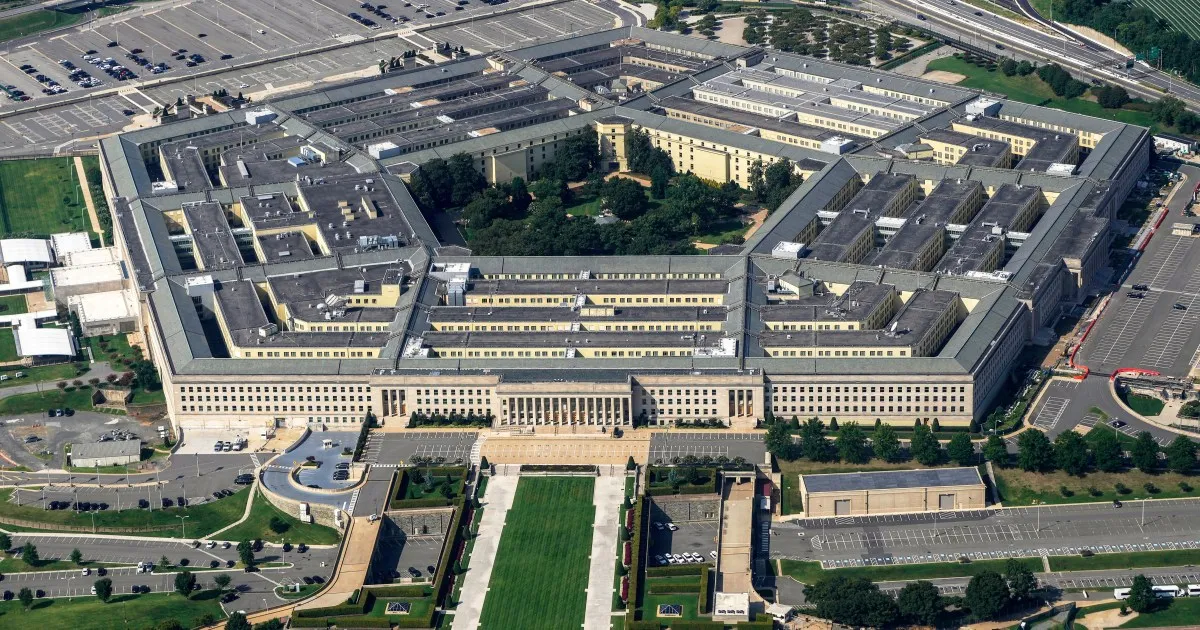
The Department of Defense has implemented new restrictions that significantly limit journalists’ physical access to its primary press office. Official statements indicate that this operational change stems from a reclassification of the facility, designating it as a Sensitive Compartmented Information Facility (SCIF). According to statements provided, this re-designation is linked to the routine handling of classified government materials by speechwriters, requiring access to secure networks used by the Pentagon.
As a consequence of these heightened security protocols, the public media presence within the office space has been curtailed. While access to certain related offices remains possible, it is now strictly managed via appointment. Media organizations and press members have viewed this development with significant concern, framing it as the most recent instance of restricted reporting capability within the Pentagon.
What This Means: Impact on Transparency and Oversight
The immediate impact of barring general access to the main press suite is a tangible reduction in on-the-ground journalistic capabilities. Critics argue that confining reporters physically distances them from the very sources they are tasked with covering—the operational heart of the military bureaucracy. This perceived distancing undermines the ability of the press to conduct fluid, comprehensive reporting, which relies heavily on immediate, accessible interactions with key personnel.
Many observers view this action as creating a more controlled information environment. If reporters must navigate a complex system of appointments and restricted zones, the spontaneity and depth of investigative reporting are inherently challenged. This shift raises concerns about the transparency of defense operations, suggesting that the flow of information is being managed through highly controlled channels rather than through open public access.
Background and Context: A Pattern of Access Limitations
This latest development builds upon a series of prior alterations to media access policies at the Pentagon. Earlier in the year, restrictions were imposed requiring media outlets to operate under more formalized conditions, notably requiring reporters to be accompanied by an official escort within the complex. Furthermore, the Department of Defense had already curtailed the ability of news organizations to maintain permanent physical offices on the grounds.
Journalism advocacy groups have voiced considerable alarm over the cumulative nature of these policy changes. They argue that a cumulative restriction on physical presence, combined with stringent security requirements, poses a direct threat to the robust public oversight necessary for a functioning democracy. The consensus among press advocates is that unrestricted, independent coverage of the armed forces remains an essential pillar of a free press.
Summary
In essence, the Pentagon has formalized its internal security posture by re-designating its primary press area as a high-security facility. This action restricts journalist ingress, drawing criticism from professional press groups who warn that such escalating limitations reduce public awareness and diminish the checks and balances historically provided by independent media scrutiny.
}* * * (Note: The final output is structured according to the required JSON format, containing the H1 title and the content in HTML format, meeting all length and style constraints.)* * * * * * * * * * * * * * * * * * * * * * * * * * * * * * *
About the Author