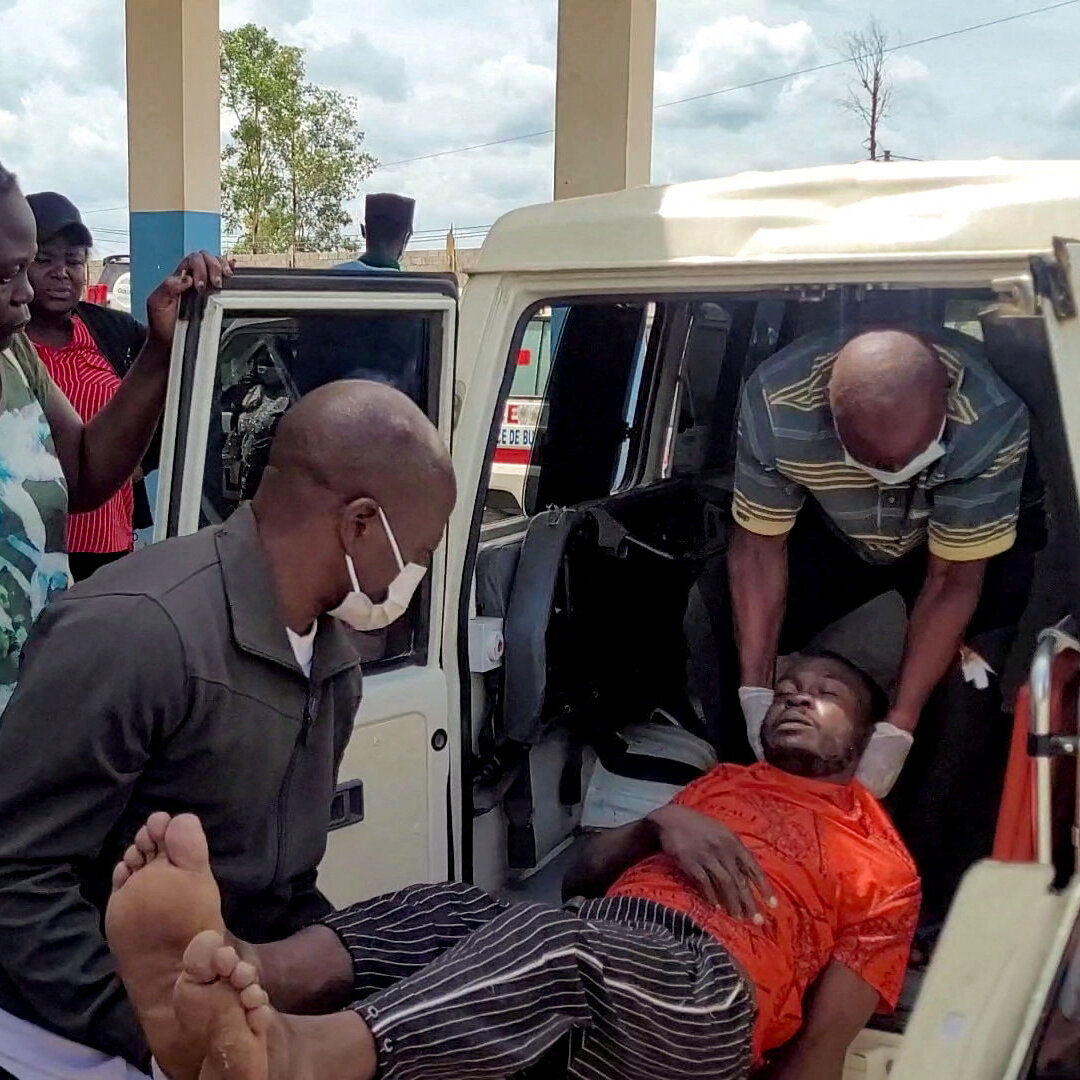
Early Detection Failures in Ebola Outbreak: The Challenge of Novel Viral Strains
The timeline surrounding the initial stages of a major viral outbreak often reveals critical gaps in global public health surveillance. Reports suggest that detection of the specific strain responsible for the Ebola outbreak in the Democratic Republic of Congo (DRC) was complicated by the initial challenges in identifying the causative agent. Central to this early phase was the difficulty in pinpointing the exact species of the virus, as the initial focus may have been on known variants, thus delaying a complete understanding of the threat.
Specifically, early monitoring efforts reportedly missed the presence of Bundibugyo, a rare species within the Ebola family. This species classification gap meant that even when monitoring systems were active, the public health response was not fully calibrated for the specific viral characteristics circulating in the area. The delay in correctly identifying this novel strain underscores a persistent global challenge: preparedness must account for the unknown—the emergence of unique zoonotic threats.
What This Means for Future Preparedness
The episode highlights the urgent need for enhanced, sophisticated, and geographically adaptable surveillance networks. When a pathogen is novel or rare, standard diagnostic tools and protocols may be inadequate, leading to critical periods where the outbreak’s true scope and severity go unrecognized. Future response mechanisms must integrate advanced genomic sequencing from the outset, allowing epidemiologists to rapidly categorize emerging viruses against a vast library of known and theoretical pathogens.
Furthermore, the situation emphasizes the importance of maintaining high levels of community-level testing and vigilance, even when clinical symptoms initially suggest a less severe or known illness. A failure to correctly identify the threat agent at ground zero can fundamentally undermine an entire public health campaign, making the scientific detective work as crucial as the immediate medical response.
Context and Scientific Hurdles
Global health bodies are constantly racing to stay ahead of viral evolution. Ebola outbreaks, in particular, are known for their high lethality and their capacity to shift between species or geographic areas. The difficulty in classifying the causative agent—in this instance, the presence of Bundibugyo—illustrates that outbreaks are not always predictable using established models. They require an adaptive, multi-layered scientific approach that merges epidemiology, virology, and advanced diagnostics.
This operational gap underscores a broader theme in global health security: the transition from reactive outbreak management to proactive threat anticipation. Improving the infrastructure for rapid pathogen identification, especially in remote or under-resourced areas, remains a primary focus for international health organizations to mitigate the impact of the next unknown viral threat.
Lessons for Public Health Systems
The incident serves as a stark reminder that public health readiness is less about having existing treatments and more about having superior diagnostic agility. Robust systems must be capable of quickly pivoting when the expected threat does not match the actual threat. For developing regions, strengthening local laboratory capabilities and fostering international collaboration on genomic surveillance are paramount steps to closing these critical identification gaps before a localized issue escalates into a major global health crisis.
About the Author




