Global Humanitarian Crises: System Strain Amid Rising Costs in Vulnerable Regions
Humanitarian aid networks worldwide are confronting a period of severe strain. Multiple geopolitical conflicts, particularly in the Middle East, are fueling dramatic inflationary pressures across essential commodities. This instability is creating a complex challenge for organizations tasked with delivering life-saving assistance, threatening to undermine the reach and sustainability of aid efforts in the world’s most fragile areas.
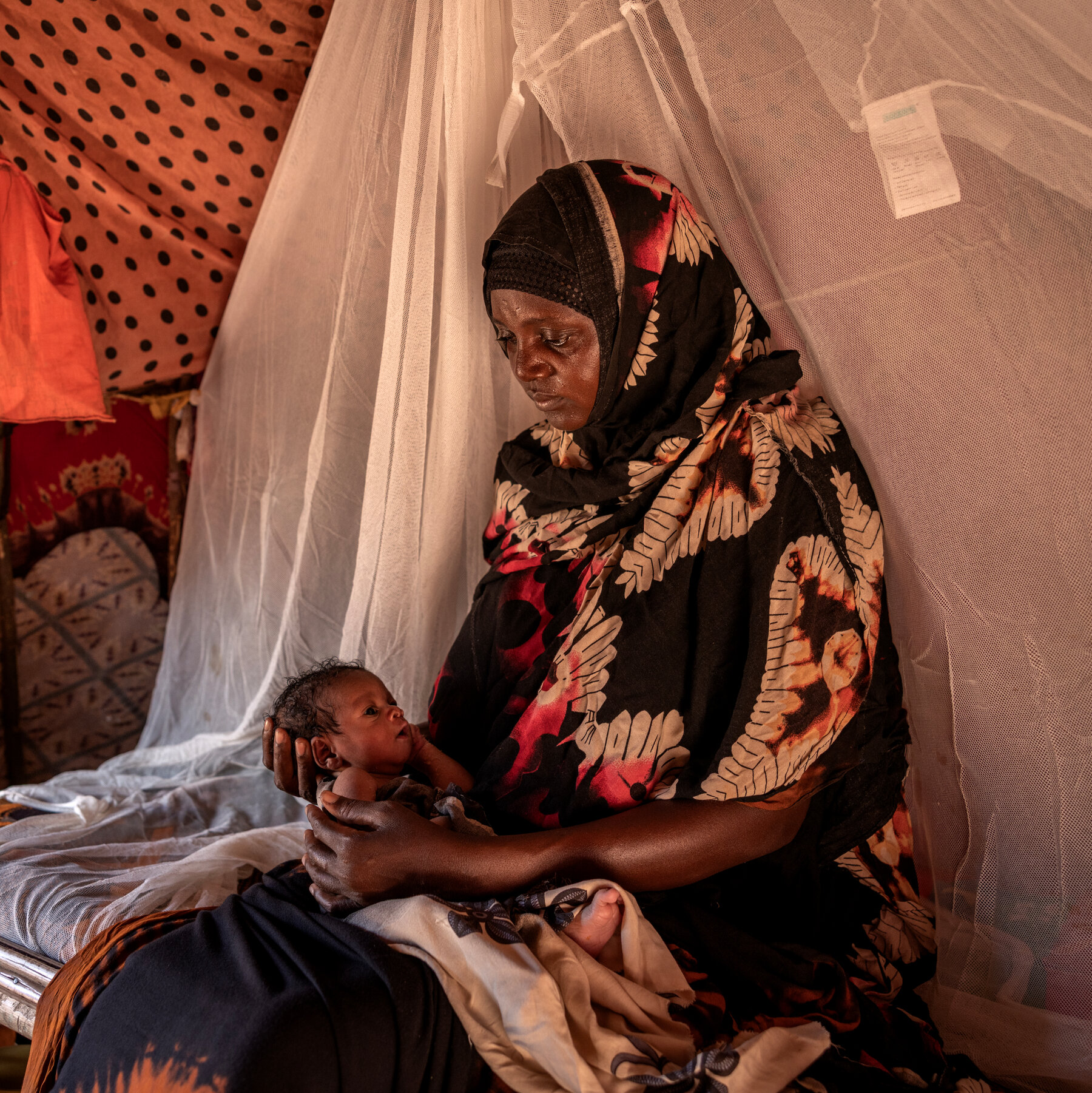
The core difficulty facing relief workers is the confluence of diminished funding alongside skyrocketing operational costs. Escalating expenses for fundamental necessities—such as basic foodstuffs, transportation fuels, and agricultural inputs like fertilizer—are making it exponentially more difficult to sustain aid programs. This cost spiral threatens to exacerbate existing suffering, potentially leaving the most vulnerable populations without adequate support when they need it most.
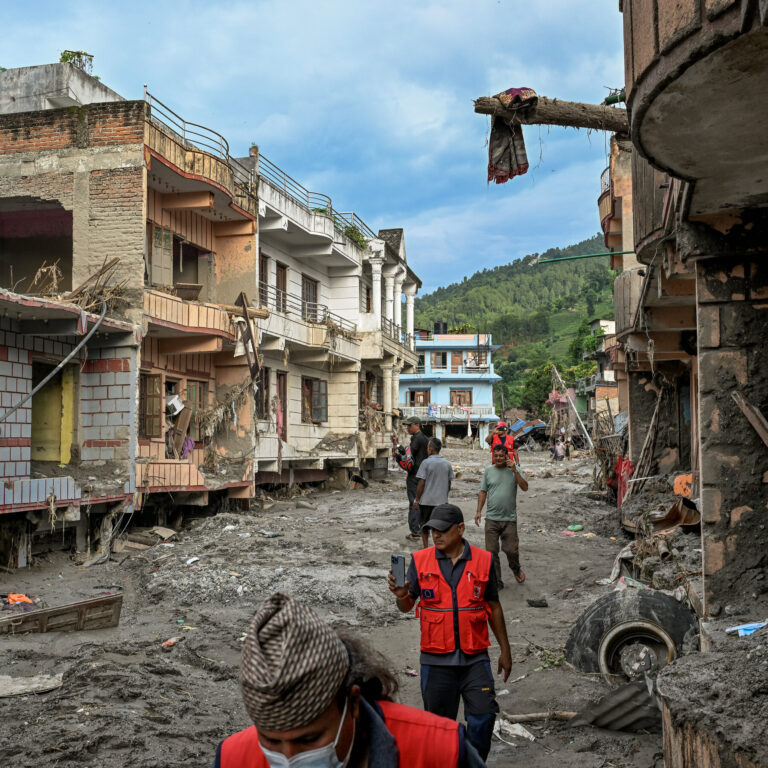
This escalating financial and logistical crunch means that humanitarian systems are being stretched thin across numerous theaters of crisis. The resulting gap between funding pledges and actual operational requirements raises significant concerns about the ability to provide timely, adequate, and sustained relief across the globe’s poorest and least resilient communities.
The Ripple Effect of Inflation on Aid Delivery
The inflationary environment created by regional conflicts is not isolated to one sector; it impacts nearly every facet of humanitarian response. For instance, the increased price of fuel directly raises the cost of transporting medical supplies, emergency rations, and personnel into conflict zones or disaster areas. Similarly, the sharp rise in fertilizer and agricultural goods places immense strain on local food security, creating a vicious cycle where conflict damages harvests, and the cost of replacing those harvests further deepens poverty.
These cascading economic pressures mean that aid agencies cannot simply absorb higher costs; they must find ways to increase the sheer volume and scope of aid delivered while simultaneously navigating prohibitive logistical hurdles. The sustainability of food assistance programs, for example, is increasingly jeopardized by the fluctuating costs of bulk commodities, forcing aid workers to re-evaluate which populations can be reached and how often.
Context: A Fragile Global Safety Net
Historically, global response mechanisms have shown remarkable resilience, yet the current confluence of factors—including protracted regional instability, climate volatility, and economic downturns—has exposed critical weaknesses. The systems designed to manage acute crises are encountering stress testing from multiple directions simultaneously. Official statements indicate that the depth and breadth of immediate needs are widening faster than the mechanisms in place to address them. Experts warn that without substantial, sustained intervention to stabilize costs and bolster funding, vulnerable regions risk descending into deeper humanitarian emergencies.
About the Author