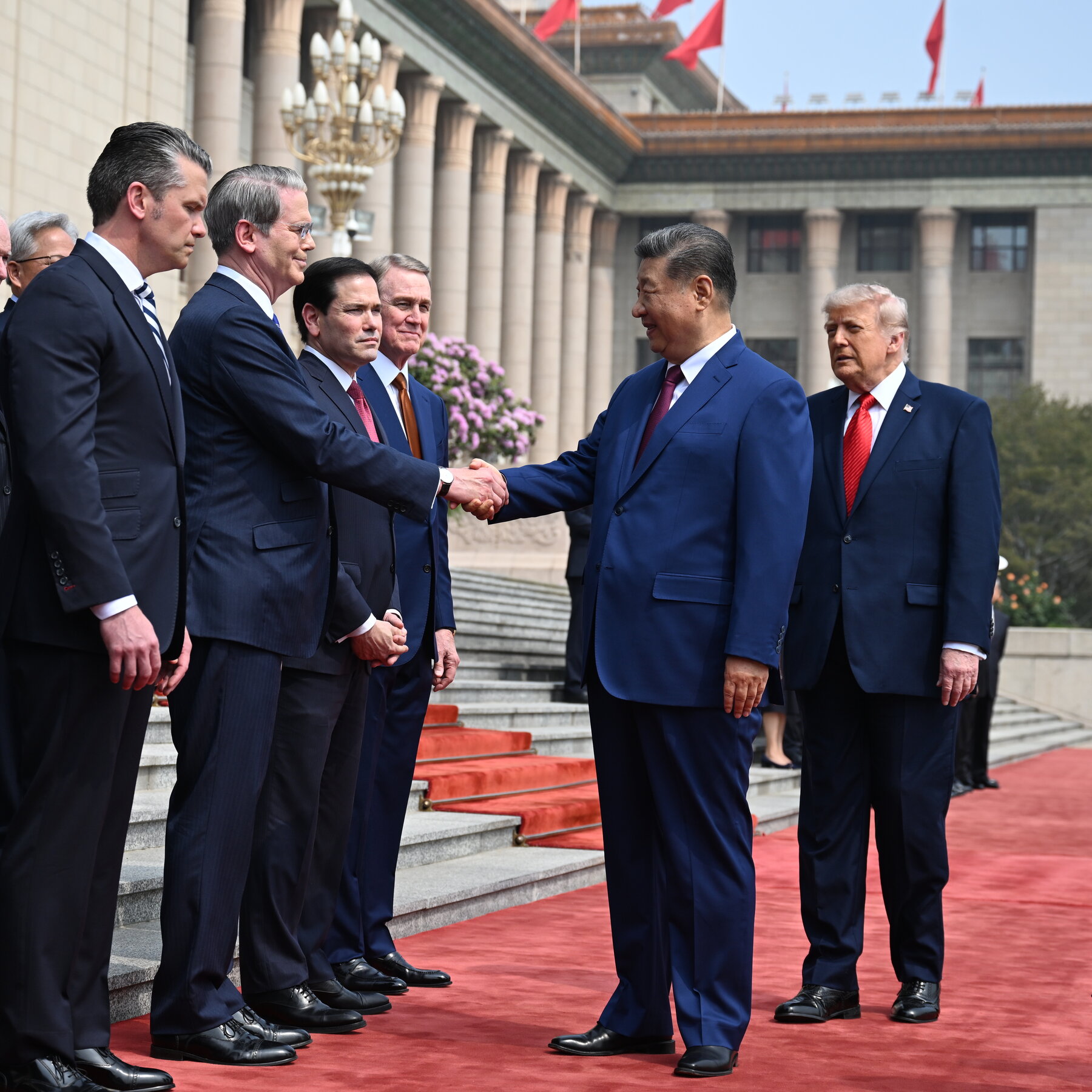
Global Finance Leaders Convene to Address Energy Volatility and Sanctions Fallout
A gathering of major economies’ finance ministers recently convened to tackle pressing international economic headwinds. The discussions centered on navigating volatile energy markets and the complex, cascading effects of international sanctions regimes. These high-level policy meetings signal a concerted effort by leading global financial powers to coordinate responses to mounting economic instability.
The central focus of the deliberations involved assessing the impact of rising commodity costs—particularly energy—on global inflation rates and supply chain integrity. Furthermore, policymakers weighed strategies for mitigating the economic fallout stemming from targeted international restrictions. The objective was to forge a unified front on economic management while balancing geopolitical pressures.
The Implications for International Stability
The outcomes from such forums carry significant weight for global markets. If participating nations reach consensus on harmonized policies regarding energy trade or sanctions compliance, it could provide a degree of predictability to international businesses and investors. Conversely, unresolved disagreements could deepen existing economic fissures, potentially leading to staggered policy implementations that further complicate global commerce.
Navigating the Crosscurrents of Trade Policy
The talks underscored the intricate relationship between geopolitical maneuvering and financial stability. Managing the ripple effects of economic penalties, such as those directed at certain nations, requires delicate calibration. Policymakers must reconcile the desire to maintain international economic norms with the necessity of enforcing targeted measures. This balancing act is critical, as overly restrictive or inconsistent policy application risks harming global trade flows and disproportionately affecting developing economies.
Context: Energy Security as a Global Priority
Energy security has emerged as one of the preeminent concerns for global financial regulators. Disruptions in energy supply or sharp increases in the cost of fuels immediately translate into inflationary pressures across nearly every sector—from manufacturing to consumer goods. Therefore, any multilateral discussion touching upon finance necessarily involves a deep dive into energy pricing mechanisms and diversification strategies to cushion economies against sudden supply shocks.
Conclusion: The Search for Coordinated Action
Ultimately, the meetings serve as a vital forum for testing the cohesion of the world’s largest economies. While deep-seated disagreements regarding enforcement and trade policy remain inherent challenges, the convergence of finance ministers indicates a shared recognition that coordinated policy action is paramount to maintaining a stable global economic environment in the face of fluctuating energy supplies and geopolitical friction.
About the Author




