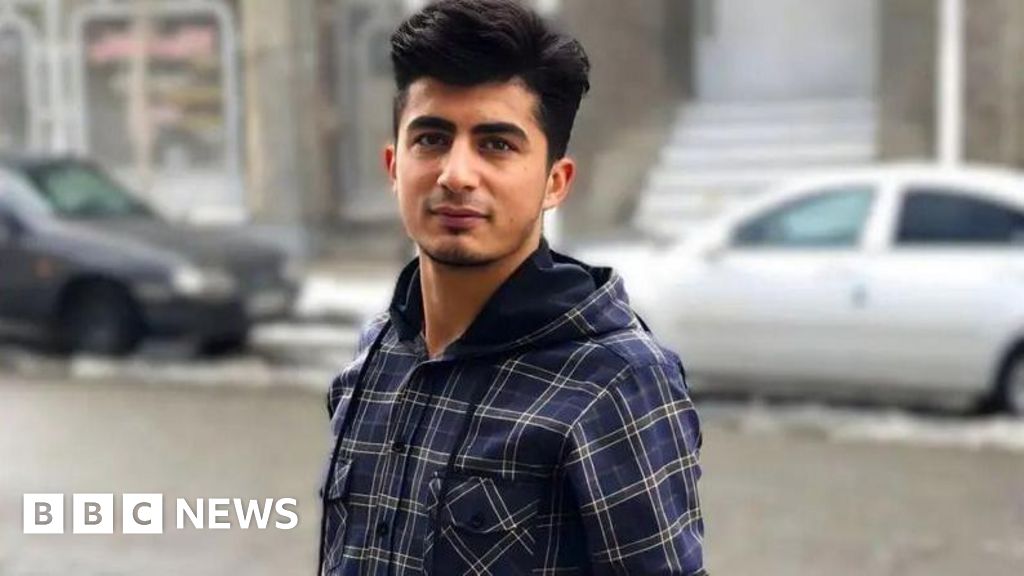
The reports emerging from Iran detail a pronounced and deeply concerning uptick in the use of capital punishment against individuals accused of political dissent or national security offenses. These executions are increasingly being framed by international observers as a strategic measure intended to intimidate the population and stifle any form of opposition. Accounts highlight systematic detentions and subsequent legal proceedings where detainees, like one recently speaking from a prison facility, have alleged coercion, forced confessions, and fabricated charges since their initial arrests.
The pattern of these judicial actions has drawn severe international attention. Official statements indicate a notable surge in executions following recent regional escalations. Human rights monitoring groups have verified multiple such cases, pointing to a rapid annual increase in people being executed on charges rooted in their political activities. This pattern suggests a systematic policy shift toward utilizing the ultimate penalty to enforce ideological conformity and suppress criticism of the governing structure.
The documentation reveals that the charges leveled against the condemned span a range of accusations, including alleged ties to foreign intelligence services or affiliation with opposition groups. Furthermore, a significant number of those detained were linked to past waves of unrest or localized uprisings that authorities have reportedly suppressed with considerable force. The timing and scope of these legal actions paint a picture of an intensified climate of fear within the country’s legal and political spheres.
The significance of this trend cannot be overstated. Experts and human rights advocates caution that the death penalty is being weaponized in a manner that goes beyond standard law enforcement. Instead, it appears to function as a potent tool of political repression, meant to create pervasive apprehension across society. The practice of public, often pre-dawn, hangings is cited as part of a deliberate strategy to maximize the psychological impact on the general populace, thereby curtailing the freedom of expression and assembly.
This situation places Iran at the center of global scrutiny regarding human rights practices. The repeated, highly publicized nature of these judicial punishments suggests a sustained effort by authorities to draw a clear, absolute boundary around permissible forms of political engagement. The cumulative effect described is the chilling of public discourse, where the fear of state reprisal—culminating in death—is leveraged to achieve compliance, regardless of the veracity of the original accusations.
About the Author