The Evolving Battlefield: How Technology is Reshaping Modern Frontline Combat
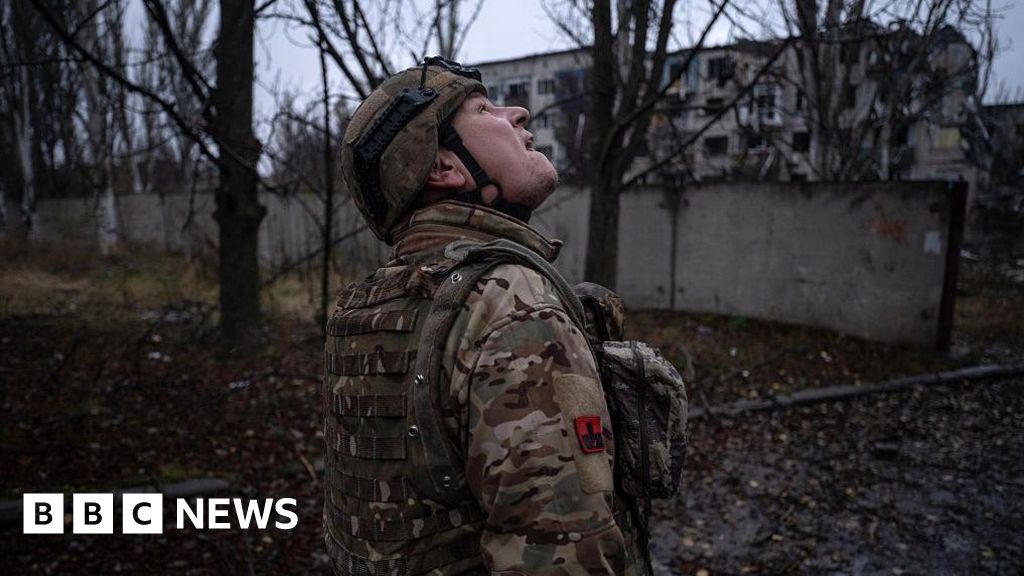
Life in the modern combat zone presents a stark paradox. On one hand, sophisticated weaponry and autonomous systems are changing the nature of conflict, while on the other, the enduring resilience of human soldiers remains absolutely vital. Frontline fighting has moved beyond traditional infantry engagements, becoming a complex struggle dictated by the capabilities of unmanned aerial vehicles and advanced technology. Soldiers are forced to operate in environments where the threat is constant, necessitating incredible endurance just to survive the redeployment process.
The operational tempo in certain contested areas is so extreme that troop rotation becomes an arduous, nearly impossible undertaking. Personnel must navigate danger zones filled with unexploded ordnance and the constant threat of surveillance and strike weaponry. The physical toll on soldiers is immense, requiring extraordinary feats of survival just to maintain defensive lines or retreat safely to established brigade positions. This necessity for human endurance, even when fighting is primarily waged by machines, highlights the critical, irreplaceable role soldiers play in controlling and defending strategically vital territory.
What This Means: The New Balance of Power
The current state of conflict demonstrates that while technological superiority is a key military objective, the physical occupation and defense of ground remain human endeavors. Key strategic locations, such as those near Kostyantynivka, represent critical choke points. The loss of such urban centers could grant an advancing force significant operational depth, threatening crucial remaining defensive strongholds. The defense of these towns and villages is predicated on human vigilance and the ability to hold ground, even when the scale of visible fighting seems diminished.
Background / Context: The Attrition of Conflict
Recent combat activity reveals periods of both intense pressure and relative stagnation in certain sectors. While major geopolitical goals—such as controlling long-term, resource-rich territories—remain the stated objectives for major military actors, the reality on the ground suggests a struggle characterized by attrition. Advances in one area are often followed by periods where offensive momentum slows considerably. This ebb and flow means that maintaining a defensive posture, listening for any sign of movement, and being prepared for sudden, violent shifts remains the defining, exhausting task for the frontline fighters.
About the Author