Gaza Conflict: Civilian Casualties Reported Amid Heightened Diplomatic Scrutiny
Recent reports from the Gaza Strip indicate severe violence continues despite announced efforts to stabilize the situation. Fighting has resulted in the confirmed deaths of at least twelve Palestinian individuals. Among those casualties are multiple police personnel, suggesting the conflict’s impact is affecting local security forces directly. These reports surface amidst complex and ongoing diplomatic maneuvers, signaling that the humanitarian crisis remains critically unstable.
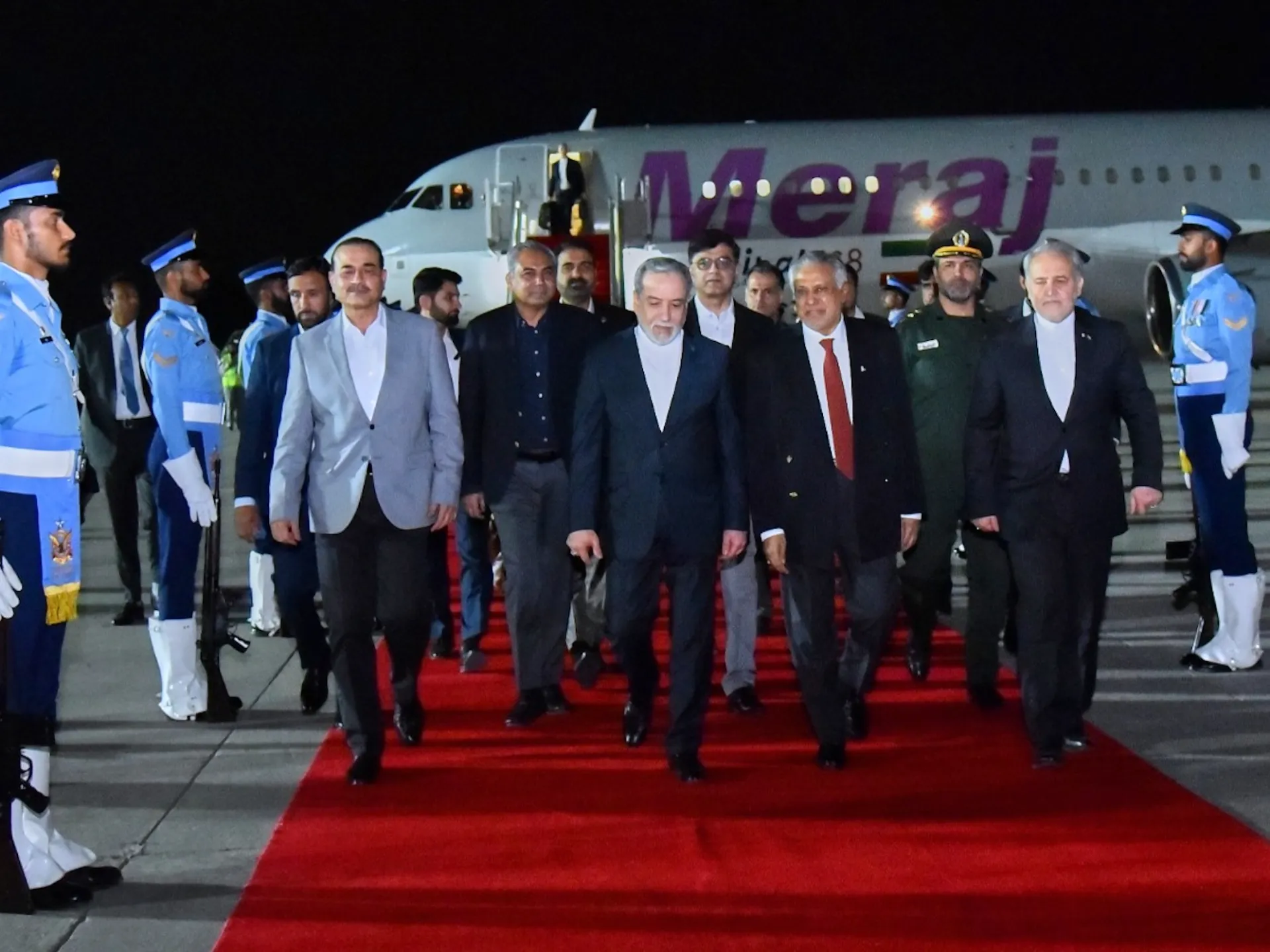
Simultaneously, international diplomatic channels show signs of high-level engagement aimed at de-escalation. Reports suggest key figures from different nations are actively engaging in discussions regarding potential pathways toward a lasting cessation of hostilities. These diplomatic missions underscore an international commitment to facilitating dialogue, even as the conflict on the ground generates harrowing accounts of bloodshed.
Significance and Impact of Ongoing Instability
The persistent violence in Gaza, coupled with the documented casualties, points to a deep breakdown in local security and governance. The pattern of fighting, even when juxtaposed against calls for a ceasefire, signals that the root causes of the instability have not been addressed. From a regional geopolitical standpoint, the contrasting elements—on one hand, immediate reports of heavy military action and civilian loss; on the other, high-level international diplomatic shuttling—underscore a protracted and difficult process for achieving comprehensive peace. The level of loss of life, especially among law enforcement officers, highlights the intense and dangerous operational environment prevailing in the region.
Geopolitical Context and Diplomatic Efforts
The international response has seen diplomatic focus shift toward brokering sustainable dialogue. Official statements indicate that envoys from various nations are being directed to travel to key hubs to facilitate talks. This concerted diplomatic action aims to build consensus among regional and global players regarding next steps for de-escalation. The movements of influential figures, such as foreign ministers convening in neighboring capitals, underline a multinational effort to manage the fallout from the conflict.
For the international community, the narrative is one of simultaneous crisis management and negotiation. While the tragedy unfolding in Gaza demands immediate humanitarian attention, the parallel diplomatic activity signals a complex effort to establish frameworks for future political solutions. The combination of battlefield reports and high-level talks illustrates the immense pressure on international mediators to translate diplomatic consensus into enforceable, lasting cessation of violence on the ground.
About the Author