Rising Conflict Signals Deepening Instability in Lebanon
The military situation in Lebanon’s capital, Beirut, has reached a critical juncture following Israeli orders to strike areas considered Hezbollah strongholds. As fighting intensifies, the conflict signals a major breakdown in efforts to maintain peace following previous ceasefires. The decision to target specific suburbs was reportedly issued in direct response to ongoing hostilities and perceived violations of existing agreements meant to curb violence between the parties involved.
International diplomatic efforts are struggling to contain the escalating confrontation. High-level talks have taken place involving key global players, aiming to establish a framework for de-escalation. One proposal suggested that a phased return to calm could be achieved if Lebanese authorities could successfully pressure Hezbollah to cease its military actions against Israel. In exchange, the proposal included a commitment from Israel to restrain any further escalation within the Beirut area.
What This Means for the Region
The current trajectory suggests that localized clashes are escalating into a broader regional flashpoint. The targeting of key infrastructure and populated areas elevates the risk profile for the entire Lebanese nation. The differing interpretations of international mediation efforts—some calling for restraint while others emphasize military objectives—are widening the gap between involved parties. The ongoing military activity raises profound humanitarian concerns, given the large number of casualties reported within Lebanon since the outbreak of conflict.
The military actions are framed by conflicting narratives. While one side asserts a determined resolve to dismantle the military capabilities of a major resistance group, Lebanese officials have strongly condemned the military strategy employed, characterizing it as punitive and excessive. The involvement of regional powers and the complex geopolitical nature of the opposing factions mean that any resolution will require comprehensive, multi-layered diplomatic buy-in, rather than purely military maneuvers.
Context of the Conflict’s Spread
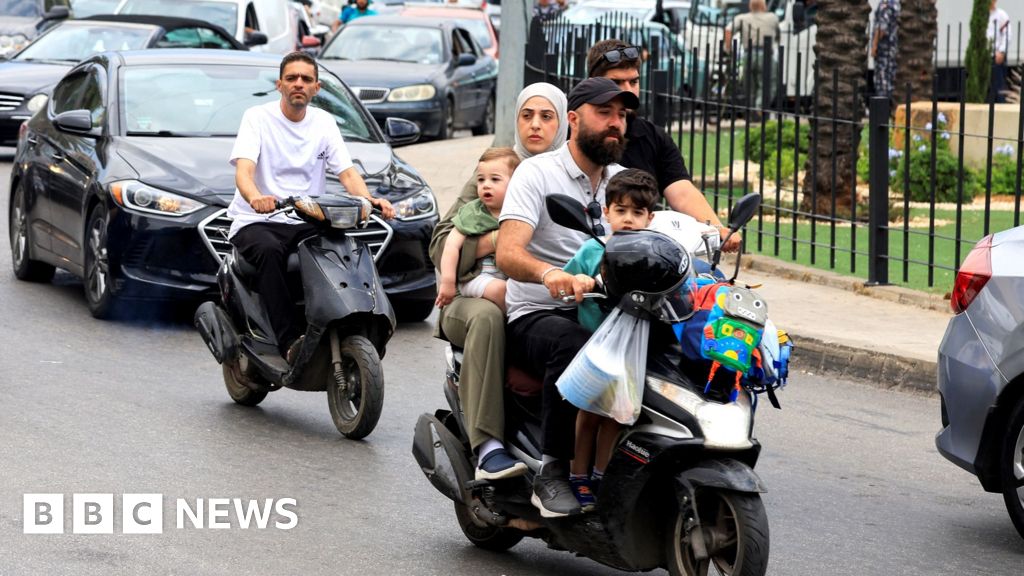
The current intense phase of fighting is rooted in a significant escalation that began when regional tensions boiled over into direct military confrontation. The initial exchanges were triggered by military actions that had already placed the country in the crosshairs of major regional interests. Since the conflict gained momentum, the fighting has severely impacted Lebanon’s civilian population. Casualty figures reported by local health authorities underscore the devastating toll the conflict is taking, complicating any pathway toward immediate stability and peace accords.
About the Author