Tensions in the volatile Persian Gulf region have seen a noticeable spike following reported military engagements between the United States and Iran over the course of the past week. The recent exchanges escalated when US military forces reported conducting strikes against Iranian military infrastructure. Simultaneously, Iran indicated that its retaliatory actions targeted an American military facility located in southern Iran.
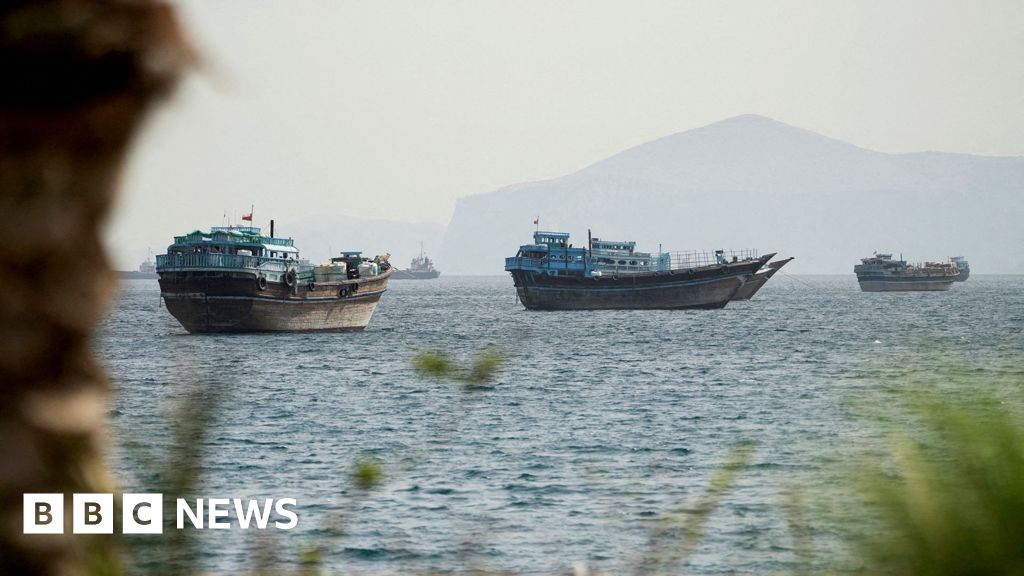
This pattern of mutual escalation has drawn heightened regional attention, particularly concerning maritime security in the vital Strait of Hormuz. Reports indicate that neighboring nations have also been impacted by the heightened security risks, with Kuwait noting the confrontation of unidentified hostile drones and missiles near its borders. These coordinated actions suggest a rapidly deteriorating military posture between the involved parties.
What This Means: Regional Flashpoint Escalation
The sequence of reported strikes underscores a deepening breakdown in diplomatic dialogue between the two nations. The exchanges transform the area into a critical flashpoint, raising significant concerns for global energy markets and international shipping lanes. The emphasis on ‘self-defense’ strikes by the US, coupled with Iran’s claim of retaliatory targeting, frames the situation as an escalating cycle of confrontation rather than a contained incident.
The reports suggest that diplomatic efforts, which had been attempting to de-escalate prolonged tensions, have faltered. The backdrop of failed negotiations, which reportedly included sticking points over maritime passage and strategic material, appears to be fueling the military actions observed.
Background and Context of the Confrontation
The core of the recent friction centers on the strategic waters around the Strait of Hormuz, a key global choke point for energy transit. Official statements highlight that US military operations targeted specific Iranian radar and command centers in coastal areas. Meanwhile, the international community watches closely as communication between the two powers remains strained. Official statements from diplomatic channels indicated that negotiating positions remained rigid, suggesting that any de-escalation will require substantial concessions on multiple fronts, far beyond immediate security concerns.
About the Author